

Africa presents one of the fastest-developing markets in the world, and the demand for cosmetics, toiletries, and personal care products is growing at a frantic pace. Not only is there a huge pent-up demand for premium upmarket products from Europe and North America, but also for an expansive range of budget-friendly beauty products from manufacturers across the globe. When it comes to personal grooming and looking their best, African consumers are highly invested. As such, there is a massive retail demand for products such as beauty soaps, face washes, shampoos, hair relaxers, skin lotions, toners, anti-aging creams, perfumes, and color cosmetics. While there is a considerable and growing level of manufacturing activity taking place within Africa itself, an assertive, brand-conscious segment of urban consumers continues to demand the best international products. Latest Industry Developments The African beauty sector has recently undergone a major transformation driven by a renewed appreciation for indigenous, organic ingredients. Global cosmetics giants are now aggressively incorporating raw African materials—such as unrefined Shea Butter from West Africa, Marula Oil from Southern Africa, and authentic African Black Soap—into their premium product lines. Concurrently, a new wave of highly successful, homegrown "Afro-centric" beauty brands has emerged, creating products scientifically formulated specifically for African skin tones and hair textures, thereby directly challenging the historical dominance of Western imports. Furthermore, the retail landscape has been revolutionized by digital adoption. E-commerce platforms and social media have drastically altered how beauty products are marketed and sold across the continent. A vibrant community of African beauty influencers on platforms like TikTok and Instagram is now driving consumer trends and product discovery. This digital shift has allowed international wholesalers and Dubai-based distributors to market directly to tech-savvy, younger demographics in cities like Lagos, Nairobi, and Johannesburg, completely bypassing traditional brick-and-mortar retail bottlenecks. Africa Beauty & Cosmetics Market Size - Overview Data Source: Africa Business Pages Market Intelligence | © Africa Business Pages The Dubai Sourcing Advantage Enterprising African traders are keen to source high-quality cosmetics from global manufacturers but are often hamstrung by minimum order quantities. Most manufacturers require purchases that run into several container loads, which is often not viable for independent buyers. Additionally, sourcing facial products from Europe, toiletries from the Far East, and herbal cosmetics from the USA places immense logistical and banking constraints on the buyer. In this scenario, Dubai offers African importers the ideal, consolidated marketplace. "African buyers can source all their varied requirements from just one central location," says Mohd Al Khatib, Managing Director of Siblin Cosmetics (LLC), a leading supplier of salon equipment. "Buyers can select from a vast range of merchandise, buy exactly the mixed quantities they require, and then ship the consolidated goods back to Africa at highly competitive freight costs." Dubai's unparalleled strength in the wholesale cosmetics business is based on high-volume, low-priced goods and virtually zero import duties. "We have excellent connections with Far Eastern and European suppliers and can offer their products to African buyers at incredible prices because we operate in a low-tariff environment," says Ziad Sabbagh of Al Nasaem Company. African buyers are extremely satisfied with this supply chain model. "Prices in Africa for these premium imported goods are often double," notes Grace Wanjiku, an entrepreneur from Kenya who frequently visits Dubai to restock her Nairobi-based salon. This established trend of sourcing beauty products from the UAE is expected to grow exponentially as consumer demand in Africa continues to rise. How to Promote Your Beauty Brand in Africa There are several highly effective strategies for cosmetic dealers and manufacturers to make their presence felt in the African market. For traders dealing in affordably priced products manufactured in the Far East (China, Korea, Malaysia), Africa represents a ready, highly receptive market. To capture this audience, consider the following avenues: 1. Industry Exhibitions & Trade Fairs: The most direct way to establish B2B contacts is by participating in major regional events like the annual Beauty Africa exhibitions held across key hubs such as Lagos, Nairobi, and Kampala. These fairs are critical springboards for establishing long-term distributorships. 2. Direct Digital Marketing: Download the Africa Importers Directory and begin direct email and WhatsApp marketing campaigns to targeted business counterparts. Kenya, for example, is the gateway to East Africa; securing a distributor there grants you immediate access to several landlocked neighboring countries. 3. African B2B Portals: Harness the power of the internet by posting your bulk offers on the African Classified Advertisements section. Employing dedicated B2B platforms ensures your products are seen specifically by active, verified African buyers looking for new suppliers. 4. Featured Digital Profiles: Finally, add your company to the Featured Suppliers Section of the Africa Business Pages. This provides a dedicated, SEO-optimized editorial about your brand, direct links to your sales channels, and instant credibility in the African market. Did You Know? The Rise of African Naturals: Indigenous African ingredients like Shea Butter, Baobab oil, and Aloe Vera are currently driving global formulations in the multi-billion dollar organic skincare industry. A Youth-Driven Boom: Africa has the youngest population in the world, with over 60% under the age of 25. This highly image-conscious demographic is the primary driver of cosmetic sales growth. The Haircare Heavyweight: The dry hair care segment (including weaves, extensions, and wigs) is disproportionately large in Sub-Saharan Africa, often accounting for more than half of a typical consumer's total beauty spend. Nigeria Leads the Way: Nigeria is currently the largest beauty and personal care market in Sub-Saharan Africa, heavily fueled by its massive population and booming entertainment industry (Nollywood). Mobile-First Marketing: With smartphone penetration exploding across the continent, over 70% of new beauty brand discoveries in urban African centers now happen via social media platforms rather than traditional advertising.
A study conducted by Africa Business Pages across five key countries in the East Africa region (Kenya, Uganda, Tanzania, Ethiopia, and Mozambique) revealed that consumers in East Africa are increasingly demanding premium personal care products that are tailor-made to suit their specific demographic needs and environmental requirements. A clear case in point is the booming hair care sector, which, with combined regional sales now exceeding $1.2 billion across the five countries in 2026, is the undisputed leading cosmetic product category sold across East African markets. "The trend among women in East Africa has dramatically shifted away from using harsh commercial chemical relaxers on their hair," notes Suzie Wokabi, founder of SuzieBeauty Ltd., a renowned pioneer and the first major Kenyan cosmetics brand. "Consumers are actively transitioning towards natural hair movements, preferring hair care products that are organic, sulfate-free, and offer hydrating and smoothing benefits specifically formulated for ethnic hair textures." Historically, there was a severe dearth of such Afrocentric hair care and skin care products. This gap sparked a massive DIY movement, with thousands of videos appearing on YouTube and TikTok of African women using local, natural ingredients—such as raw shea butter, pure aloe, and indigenous essential oils—to craft their own hair and skin care regimens. Top Cosmetic Brands in Africa by Estimated Market Share (%) © Africa Business Pages Source: Regional FMCG & Retail Market Estimates, 2026 Among the major international players, L’Oréal has been exceptionally successful in breaking into the East African market by introducing mass-market, culturally adapted products alongside its affordable global brands like Garnier and L’Oréal Paris. L’Oréal was remarkably quick to recognize the urgent need for Afrocentric beauty products specifically dedicated to meeting the nuances of African consumers. After detailed scientific research and in-depth market studies at their specialized regional R&D centers, L’Oréal scaled the famous SoftSheen-Carson brand—the first worldwide brand explicitly targeted towards consumers of African descent. This was seamlessly followed by Mizani, another premium product line that became an instant operational standard in professional hairdressing salons across East Africa. However, L’Oréal tasted its most dominant success in the East African markets with its Dark & Lovely brand. The strategic acquisition of Interconsumer Products Ltd. (a major Kenyan health and beauty manufacturer) further boosted their local supply chain efficiency, helping L’Oréal establish itself as an absolute leader in the Afro-specific market. L’Oréal’s operations in East Africa now include extensive vocational education for salons and hairdressers, as well as the development of formalized retailing structures for beauty products. The Middle East and Africa segment remains the fastest-growing geographical segment for global beauty conglomerates, consistently registering double-digit year-on-year growth. The Demographics of the Next Consumer Hot Spot Long dubbed the next consumer hot spot, Sub-Saharan Africa is experiencing explosive urbanization and economic diversification. The African continent is currently home to over 1.4 billion consumers, with a rapidly expanding middle class rushing to purchase a wide range of premium cosmetics and imported beauty products. Entering 2026, the Sub-Saharan African economy boasts a cumulative GDP value surpassing $2.5 trillion, presenting an immense retail footprint. East Africa alone is home to hundreds of millions of people, where aggregate consumer spending has eclipsed $200 billion in 2026. Sub-Saharan Africa's demographic dividend—characterized by high birth rates, a median age under 20, and a rising professional middle class—makes it the ultimate frontier market. The established market leaders, South Africa and Nigeria, are closely followed by key, high-growth frontier markets: Kenya, Ethiopia, Tanzania, Ghana, and Cameroon. Why Africa? Compounded with high population growth and a shifting demographic profile (which is positively correlated with a rise in disposable income), Africa presents vast potential for the fast-moving consumer goods (FMCG) and cosmetics market. The African region as a whole is forecast to be home to nearly 2.5 billion people by 2050—surpassing the projected populations of China or India. Thus, looking solely at the sheer volume of the consumer base, the potential of the African retail market is unprecedented. By 2030, Africa’s top 18 cities could boast a combined spending power of over $1.3 trillion, making the continent an absolutely vital target for companies seeking growth outside saturated developed markets. The Booming African Cosmetics Sector As of 2026, the African cosmetics industry is undergoing a massive structural shift characterized by the explosive rise of "hyper-localized" indigenous brands. Rather than relying solely on imported Western formulas, a new wave of African entrepreneurs is leveraging indigenous botanicals—like marula oil, baobab, and moringa—to create premium, export-quality organic skincare lines. These homegrown brands are fiercely competing with global multinationals, capturing up to 30% of the market share in niche categories by appealing directly to the cultural identity and specific dermatological needs of African consumers. Simultaneously, the retail distribution model has been entirely disrupted by social commerce and digital B2B supply chains. Platforms like Instagram and TikTok have become the primary marketing engines for beauty products in urban centers like Lagos, Nairobi, and Johannesburg, allowing direct-to-consumer (D2C) brands to completely bypass the high overhead costs of traditional brick-and-mortar retail. Additionally, B2B e-commerce platforms are actively digitizing informal beauty kiosks, allowing small-scale salon owners to restock inventory directly from manufacturers via mobile apps, thereby streamlining the notoriously fragmented beauty supply chain. Finally, the full operationalization of the African Continental Free Trade Area (AfCFTA) is fundamentally transforming the manufacturing landscape. To avoid severe foreign exchange (FX) shortages and the high tariffs historically associated with importing finished cosmetics, global beauty conglomerates are rapidly shifting their strategies from importation to local manufacturing. Massive capital is being deployed into setting up cosmetic formulation and packaging plants in strategic hubs like Kenya, Ghana, and South Africa, allowing these brands to trade tariff-free across borders while heavily reducing supply chain lead times. Did you know? The African beauty and personal care market reached an estimated valuation of over $14 billion in 2026, growing at a compound annual rate of nearly 10%. The "Natural Hair Movement" has severely impacted the sales of chemical chemical relaxers, while driving triple-digit growth in organic, sulfate-free conditioning products. Sub-Saharan Africa has the youngest population in the world, with a median age of roughly 19 years, creating a massive, lifelong consumer base for beauty brands. Social commerce via platforms like TikTok and Instagram now drives over 35% of all new cosmetic brand discovery among African Gen-Z and Millennial consumers. Indigenous African brands utilizing local botanicals (like Shea Butter and Baobab) are increasingly exporting to Europe and the US, riding the global wave of organic, ethical beauty. Under the AfCFTA, cosmetic companies manufacturing locally in hubs like Kenya or Ghana can now export tariff-free to a unified market of 1.4 billion people.

Centuries of slavery and colonialism deprived the African continent of her able human and economic resources. The able men and women were carried away to work in the plantations of the Americas (in all about 30 to 40 million people) and they helped to make America and Europe what they are today. Obviously, the slave trade deprived the continent of her energetic men and women—a vital resource in any development process—and sunk the continent into an intellectual wilderness. About the same time that slavery was being vigorously pursued, natural resources including timber, gold, diamonds, tin ore, and ivory were looted in large quantities by European nations, namely Belgium, Britain, France, Germany, Portugal, Spain, and Italy. After slavery was abolished, the aggressive extraction of these natural resources continued seamlessly. The irony is that virtually all the income from these resources was used to finance the economic and infrastructural development of European countries, with little to nothing being used to develop the African nations from which they were extracted. A clear historical example is the Democratic Republic of Congo, where King Leopold II of Belgium enslaved the population, forced them to work without pay, caused the deaths of up to 10 million people, and looted the country's resources. When the DRC was transferred from Leopold II to the Belgian state, the exploitation continued until the DRC gained her independence in 1960. The Congo Free State was a main supplier of rubber—a vital raw material for the booming global tyre industry—and the wealth generated transformed Belgium into one of the wealthiest nations in Europe, courtesy of the enslavement of Africans and the theft of their resources. Africa's Top Fastest Growing Economies (Est. 2026 GDP Growth %) © Africa Business Pages Source: IMF & Regional Economic Outlook Projections, 2026 Belgium was not alone in its actions. Britain, France, Spain, Portugal, Germany, and Italy all looted Africa of her gold, diamonds, ivory, timber, cobalt, coltan, tin ore, bauxite, and manganese. Africans who resisted were killed in their millions, as seen in South West Africa (now Namibia) where the Germans, between 1904 and 1907, committed the first genocide of the 20th century by systematically targeting the Herero and Namaqua people. While Europe grew richer, Africa was left impoverished—a trend that persisted until the 1950s when African nations finally began to gain their independence, beginning with Libya in 1951, followed by Sudan, Morocco, and Tunisia in 1956, and Ghana in 1957. With little or no investment during colonial rule, post-colonial governments inherited countries with practically no modern infrastructure—lacking roads, railways, harbours, telecommunications, or adequate education and healthcare systems. The only areas that saw infrastructural investment were those where raw materials were heavily extracted. Furthermore, independence rarely came easily. Algeria, Zimbabwe, Angola, Kenya, Namibia, and South Africa all attained their independence or majority rule through protracted armed struggles. In most cases, the few infrastructures that did exist were destroyed during these conflicts. As if slavery, colonialism, and resource looting were not enough, the continent became a proxy battleground during the Cold War. Superpowers and their allies battled for influence and control over Africa's strategic resources. The consequence was political instability and the wanton destruction of lives and property that continues to affect parts of the continent today. Elected leaders were overthrown, assassinated, or subjected to Cold War tactics including bribery and blackmail, stunting the continent's development. The new crop of leaders who replaced independence pioneers often became increasingly authoritarian and corrupt. Joseph Mobutu Sese Seko, who took power following the assassination of Patrice Lumumba, ruled Congo for 32 years. Under his regime, the country impoverished while he and his cronies grew exceptionally wealthy, allowing foreign interests free rein to extract critical minerals like cobalt. As dictators gained the backing of global powers, their citizens faced deepening poverty and hopelessness. State funds were siphoned off by corrupt officials, leaving virtually no capital for infrastructural development. Moreover, the operations of massive multinational corporations—particularly in the oil and mining sectors—often exacerbated this poverty through severe environmental degradation. Rivers, wells, and streams were polluted, rendering fishing communities unemployed and destroying agricultural lands. Brain Drain & Systemic Mismanagement Poverty on the continent has also been fueled by a severe brain drain. The flight of doctors, engineers, architects, lawyers, teachers, and agricultural experts has severely limited the ability of many nations to implement development projects. This intellectual exodus has rendered government agencies weak; some communities lack doctors entirely, while universities struggle to retain faculty. Historically, countries like Malawi, Zimbabwe, Nigeria, and Ghana lost heavily to Europe and North America. Corruption remains another tragic cancer. According to past African Union (AU) estimates, billions of dollars are lost annually to corruption and illicit financial flows. In Nigeria, despite generating hundreds of billions from oil exports over the decades, a significant portion of the population continues to live in poverty. Historically, prominent politicians and state governors were prosecuted globally for laundering millions of dollars in stolen state funds. Historically, across several nations, kleptocracies replaced democratic principles. For decades, a select few clung to power without accountability. Leaders like Muammar Gaddafi of Libya (42 years), Omar Bongo of Gabon (41 years), Robert Mugabe of Zimbabwe (37 years), and Hosni Mubarak of Egypt (30 years) ruled for generations before eventually being ousted or passing away. This concentration of power often resulted in profound economic mismanagement. In the Democratic Republic of Congo, vast deposits of gold, diamonds, timber, coltan, and cassiterite (tin ore) represent unimaginable wealth. Coltan is essential for mobile phones, and cassiterite is heavily traded globally. Yet, historical mismanagement, systemic corruption, and foreign-backed rebel conflicts have kept the general population trapped in poverty, while external markets profit immensely from the extraction. Latest Economic Developments (2025/2026) Despite historical challenges, the economic narrative of Africa in 2026 is undergoing a profound structural transformation. The continent is no longer just a passive exporter of raw materials. Driven by the global transition to green energy, African nations—particularly the DRC, Zambia, and Zimbabwe—are leveraging their monopolies on critical minerals (like lithium, cobalt, and copper) to force multinational companies to build local processing and battery manufacturing plants. This policy shift is finally retaining value-added wealth within African borders, creating high-tech jobs, and breaking the centuries-old cycle of raw resource extraction. Simultaneously, the maturation of the African Continental Free Trade Area (AfCFTA) has dramatically reduced intra-African tariffs. Trade between African nations has surged, allowing countries to rely on regional neighbors for food and manufactured goods rather than expensive overseas imports. Coupled with a booming tech and fintech ecosystem in hubs like Nairobi, Lagos, and Kigali, the continent is experiencing rapid digitalization. This tech boom is formalizing informal economies, broadening tax bases, and providing millions of previously unbanked citizens with direct access to global capital markets. The Way Out for Africa It is clear that severe forces within and outside the continent historically contributed to its impoverishment. But the focus must remain forward-looking. The progress made by nations like China, India, Singapore, and the UAE over the last half-century proves that poverty is not permanent. Nations rise when leaders formulate visionary policies that address systemic problems. To reverse the legacy of exploitation and mismanagement, governments must focus on strengthening democratic institutions, ensuring electoral integrity, and enforcing strict anti-corruption frameworks. The judiciary must be empowered, and the influence of the military in civilian governance must be permanently curtailed. Above all, heavy, sustained investment must be directed into human capital and critical infrastructure—schools, hospitals, modern transport networks, and research institutions—laying the foundation for self-sustaining economic development. Did you know? In 2026, Africa hosts 6 of the top 10 fastest-growing economies in the world, driven by tech innovation and infrastructure investments. The African Continental Free Trade Area (AfCFTA) has created the world's largest free trade area by number of participating countries, covering over 1.4 billion people. Africa holds roughly 30% of the world’s remaining mineral reserves, including the vast majority of platinum and cobalt vital for green energy. Tech funding in Africa has exploded, with startups raising billions annually, heavily concentrated in fintech, logistics, and agritech. The continent's median age is roughly 19 years old, making it the youngest workforce globally and a massive driver for future consumer markets. Governments in resource-rich nations are increasingly banning the export of raw, unprocessed critical minerals to force local industrialization and job creation.

Kenya Looks East
folder_open Automobiles Sector
When Kenya purchased Toyota vehicles for its military forces, instead of the all-pervasive Land Rover, it signalled a seismic change – in effect ending the most favoured status enjoyed by imports sourced from its erstwhile colonial master the UK. Another example is De la Rue, a UK-based printing and security firm that has uninterruptedly printed Kenyan currency since independence. It is fighting to retain its contract. The administration of Mwai Kibaki broke with tradition, inviting other internationally recognised firms to bid for the job. The London-based firm J&S Franklin Ltd served as a single-source supplier of uniforms and combat kits for the armed forces since Kenya “unshackled” itself from British colonial rule in 1963. Kenya’s Department of Defence terminated its contract to the benefit of a Chinese firm. Similarly, Brooke Marine and Vosper Thornycroft, two British companies that have exclusively supplied ships to Kenya’s navy since independence, have had to contend with the phenomenon of open tendering. This change of fortune for British firms is captured in the official annual economic survey cobbled together by the country’s Ministry of Finance. In 2009, imports from the UK were worth $4.9 million — compared to China’s $7.6 million or India’s $9.5 million. Compare this with 2001 during the peremptory reign of Daniel arap Moi. UK imports then totalled $3.7 million while China was at a much lower $1.1 million and Indian imports amounted to a relatively puny $2.1 million. Since the replacement of Moi’s government in 2003, it took China and India only three years for their imports to Kenya to overtake those from the UK, formerly a premier source of imports. "It is as a result of prudent decision-making that the Kenyan government opened up the country to the Far East, including Asian countries. As a result, Kenya has been able to access countries that provide better deals,” says Dr Gerrishon Ikiara, a senior lecturer at the Institute of Development Studies at the University of Nairobi. “In the past, procurement of government goods was shrouded in mystery. Then political considerations mattered more than economic sense,” he said. According to the economist, Asian countries offer competitively priced goods and services compared with the UK.“Right now most of Kenya’s roads are either being refurbished or built anew by Chinese firms. And all our international airports are also being upgraded by Chinese owned firms. This is after going through the process of open tendering,” Dr Ikiara said. Kwame Otieno, a senior researcher with the local think-tank, the Institute of Economic Affairs (IEA), blames “the rigidity of the British system” for the dip in British imports. The IEA promotes debate on policy issues. “If a Kenyan, for example, wants to visit the UK, they face a lot of stringent requirements that act as a hindrance. But if they wish to travel to the Far East, China or India, the process is enabling and travel-friendly.” Sources said the change in bilateral trade relations between UK and Kenya is a result of poor relations between the political leaders of the two countries in the recent past. It is argued that Moi had very cordial relationships with occupants of 10 Downing Street in London. Successive British governments deliberately turned a blind eye to the excesses of his government. As a result, firms with British ties continued to receive lucrative contracts at the expense of other countries. The Kibaki regime has been upbraided harshly, particularly by local British envoys, for failing to tame corruption in high places. Confirming the bad blood between the two countries, Sir Edward Clay, British envoy from 2001 to 2005, was in early 2008 officially declared persona non grata by the Kenyan government. Related Articles
The Nigerian government recently revised its fiscal policy, aligning tariffs with the 2026-2027 ECOWAS Common External Tariff (CET) framework. The government hopes that these new Import Adjustment Taxes (IAT) will revitalise the local tyre manufacturing industry, increase employment, and effectively block the influx of unregulated sub-standard tyres from overseas markets. A few years back, inconsistent tariff structures and high energy costs had led to massive losses for tyre manufacturers based in Nigeria. Many prominent brands relocated their factories to neighbouring West African countries to avoid the fierce price competition they faced from unregulated used-tyre imports arriving from places like Dubai, India, the Far East, and China. Historically, the lowering of import duties on tyres had an adverse effect on domestic companies in Nigeria. Decades ago, local production stood at 2.25 million units, but as cheaper imports flooded the market, major legacy plants, such as Dunlop's Nigerian operations, witnessed a sizeable decline in turnover and ultimately ceased local manufacturing operations. As per the latest 2026 industry statistics, the tyre market in Nigeria is expanding rapidly driven by a 40 million-strong vehicle fleet. According to recent studies, the Nigeria tyre market is valued at $0.82 billion and is expected to surpass $1.19 billion by 2031 at a robust CAGR of 6.4%. It is widely believed that previous dependence on uncontrolled used tyre imports had a negative socio-economic impact, including the heavy loss of local manufacturing jobs across Delta, Edo, and Ogun States, alongside a severe drain on foreign exchange reserves. Today, government crackdowns and rigorous enforcement by the Standards Organisation of Nigeria (SON) are actively reshaping the landscape to prioritize road safety and new tyre imports. The global tyre market is currently projected to reach an astronomical $271 billion, reflecting a massive global volume of 4.6 billion units. The Nigerian market size commands a highly lucrative $0.87 billion (as of 2026), heavily characterized by premium radials and commercial vehicle tyres, which boast a projected annual growth rate of over 6%. Source: Mordor Intelligence & IndexBox African Tyre Market Analysis, 2026 © document.write(new Date().getFullYear()); Africa Business Pages. All Rights Reserved. Latest Trade and Policy Developments In a bold move to stabilize the domestic automotive sector and protect consumers, the Nigerian government aggressively tightened its grip on the market in early 2026 by strictly enforcing the ban on used and retreaded tyre imports (with the exception of large heavy-duty truck tyres). This regulatory crackdown effectively wiped out a massive portion of the unsafe, low-cost budget segment, nudging consumers back toward purchasing brand-new replacement tyres. The revised 2026 fiscal policy measures also introduced targeted tariff reductions on automotive assembly inputs, making local vehicle and component assembly much more cost-effective. These improved economic indicators and protective policies have renewed foreign confidence in the nation's mobility sector. Most notably, French tyre giant Michelin announced a strategic comeback to the Nigerian market after an 18-year absence from direct local operations. By establishing a direct localized footprint and focusing heavily on premium passenger car radials, SUV fitments, and customer safety education, multinational brands are now positioning themselves to capture the rising demand fueled by Nigeria's expanding middle class and sprawling road infrastructure projects. The Nigerian market has become the most sought after for international tyre manufacturers on the continent because of its huge market potential. Despite FX challenges and inflation constraints, the demand for reliable mobility solutions ensures continuous long-term volume sales. Till recently, there were a few locally established tyre manufacturers in Nigeria, but erratic power supply problems in the country forced most of these tyre manufacturers to relocate. This, in turn, created a highly thriving market for foreign brands and international wholesalers looking to sell tyres directly to Nigerian B2B buyers. Demand for Tyres in Nigeria Majority of the motor vehicles entering the Nigerian automotive market are imported used vehicles from Europe and the U.S.A., thus, the Nigerian tyre market is heavily driven by the demand for aftermarket replacement tyres. Two-wheeler tyres capture a massive majority of the volume share due to the high popularity of motorcycles and tricycles. However, the passenger car, truck, and buses tyre segments hold the highest revenue shares owing to higher unit prices and the prominent use of commercial transport networks. Based on types, radial tyres comprehensively dominate the Nigeria tyre market (accounting for over 79% of the market), due to advantages such as higher fuel-efficiency and longer tread life. Some of the key players driving the Nigeria tire market are Goodyear, Pirelli, Continental, Bridgestone, Michelin and leading value-driven Chinese manufacturers. Africa Tyres Dealers Directory: Database of Tyre Importers in Africa In a bid to help tyre manufacturers and suppliers find importers, wholesalers, dealers and agents in Africa, the African Business Pages has compiled a special directory that lists tyre importers in over 24 African countries. The Africa Tyre Dealers Directory is now available as a digital download at a nominal price and has played an instrumental role in promoting direct B2B contact between African tyre importers and tyre manufacturers and suppliers from all across the world. The Africa Tyre Dealers Directory has been adapted for online distribution and is now available in Excel format as an instant digital download from Africa Business Pages. The Africa Tyre Dealers Directory has served as a useful database for those wanting to export tyres to Africa and to reach potential buyers in Africa. You can download the directory HERE. Did You Know? Radial Tyres completely dominate the Nigerian market, accounting for over 79% of the total tyre market share in 2025/2026 due to their superior fuel efficiency and long tread life. In 2026, French tyre giant Michelin officially re-entered the Nigerian market after an 18-year hiatus from direct local operations, signaling renewed foreign investor confidence. Driven by robust commercial transport needs, the Nigerian tyre market is projected to grow from $0.82 billion to over $1.19 billion by 2031. While passenger and commercial tyres lead in total revenue, two-wheeler tyres actually command the highest market volume share due to the widespread reliance on motorcycles for urban transit. The Nigerian tyre sector is overwhelmingly an aftermarket (replacement) industry. Because the vast majority of vehicles entering the country are imported used cars, the demand for replacement tyres heavily outweighs Original Equipment Manufacturer (OEM) sales. The recent alignment with the 2026 ECOWAS Common External Tariff (CET) was specifically designed to curb the rampant smuggling of substandard tyres, which previously cost the economy hundreds of millions of dollars annually.
The Tyre Market in Dubai
folder_open Automobiles Sector
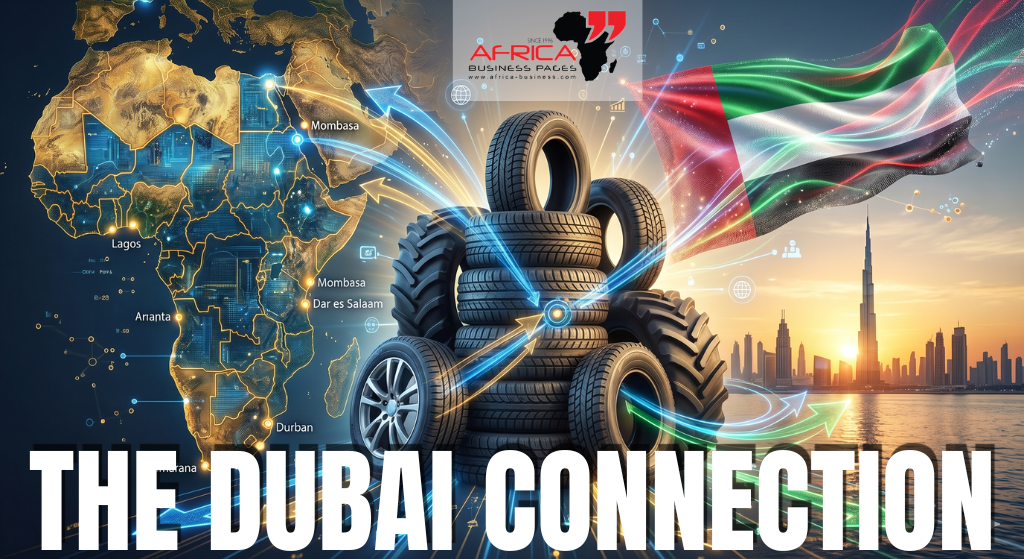
Dubai has firmly established itself as a leading global supplier of tires, tubes, and automotive batteries to international markets. With a highly sophisticated retail and wholesale sector, the tire export and re-export business in Dubai remains a major economic pillar, driving massive trade volumes to the GCC region, CIS, and the African continent. In 2025, the UAE tire market was valued at approximately USD 1.34 billion, reflecting a massive influx of trade and a rapidly expanding domestic vehicle fleet. Every year, millions of tires for passenger cars, buses, and heavy-duty logistics trucks are imported to Dubai, predominantly from major manufacturing hubs in China, Japan, and India. Over 65 percent of these tires are subsequently re-exported to rapidly emerging markets across Africa and the broader Middle East, while the remaining volume supports robust local consumption. Latest Developments in the UAE Tyre Market In 2025 and 2026, the UAE tire market has undergone a massive technological and strategic transformation. Internally, this explosive growth is being fueled by the region's harsh climatic conditions—where summer road temperatures can routinely exceed 70°C—necessitating advanced, heat-resistant tire technologies and the rapid adoption of smart tires integrated with IoT sensors for predictive fleet maintenance. Furthermore, the surging adoption of electric vehicles (EVs) across the GCC is creating a lucrative new segment for specialized, high-performance EV tires capable of handling higher instantaneous torque and heavier battery vehicle weights. The domestic market is currently projected to reach USD 2.24 billion by 2032, expanding at a robust compound annual growth rate of approximately 8.9% Externally, the UAE is aggressively strengthening its position as the ultimate re-export hub for the African automotive aftermarket. As African nations experience a rapidly expanding middle class and a corresponding surge in vehicle ownership, they are heavily relying on Dubai's established distribution networks to source affordable, high-quality tires. Chinese and other Asian tire manufacturers are increasingly utilizing the Jebel Ali Free Zone as a strategic launchpad to penetrate African markets seamlessly. This robust, streamlined supply chain ensures that the skyrocketing demand for passenger car, light commercial, and off-the-road (OTR) tires across Africa is met efficiently, solidifying the UAE's role as the indispensable bridge between Asian production lines and African consumers. UAE Tyre Market Growth - Overview Data Source: MarkNtel Advisors / Industry Estimates | © Africa Business Pages African Buyers Prefer Dubai With the steady rise of the middle class, it is clear that demand for tires will continue to grow worldwide. Dubai, therefore, is uniquely positioned to further develop its tire re-export potential and become an even more critical contributor to the increasing non-oil trade of the country. In global market developments, traditional European tire firms are beginning to lose ground to Chinese and other Asian brands in many emerging African markets. Chinese tires are gaining immense popularity across the continent. Many developing African nations are heavily price-sensitive markets and prefer to import durable, low-priced Chinese tires rather than expensive European and American brands. As a result, China has emerged as a leading exporter of tires to Dubai in recent times. African buyers have emerged as the new bulk purchasers of these tires in Dubai, utilizing the city's unparalleled shipping lines and hire containers to ship goods back to their countries efficiently. UAE Tyre Market Share by Vehicle Type Data Source: MarkNtel Advisors (2025 Data) | © Africa Business Pages Africa Tyres Dealers Directory: A B2B Digital Tool In a bid to help tire manufacturers and suppliers find verified importers, wholesalers, dealers, and agents in Africa, the African Business Pages has compiled a specialized digital database that lists tire importers in over 24 African countries. Having discontinued physical printed directories to modernize our information products, the Africa Tyre Dealers Directory is now fully adapted for online distribution. It is available in Excel format as an instant digital download. This comprehensive database has played an instrumental role in promoting direct B2B contact between African tire importers and global tire suppliers, serving as a critical lead generation tool for those wanting to export automotive parts to Africa securely. Did You Know? The Passenger Car Dominance: In 2025, passenger cars led the UAE tire market, capturing a massive 58% market share due to the country's high penetration of luxury vehicles and SUVs. A Multi-Billion Dollar Industry: The UAE tire market was valued at roughly USD 1.34 billion in 2025 and is aggressively projected to skyrocket to USD 2.24 billion by 2032. Dubai Leads the Pack: Among the emirates, Dubai holds the absolute largest share of the national tire market at approximately 29%, driven by heavy daily commuting and large commercial rental fleets. Surviving the Heat: The UAE's extreme summer climate, where road surface temperatures can routinely exceed 70°C, is a major regional driver for the adoption of highly advanced, heat-resistant tire technologies. The Smart Tire Revolution: Smart tires equipped with IoT sensors for real-time pressure and temperature monitoring are rapidly becoming the standard for commercial logistics fleets operating out of the UAE.
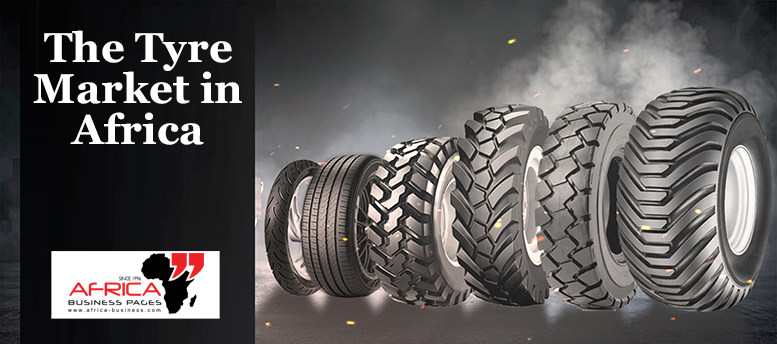
The tyre business in East Africa is undergoing a major transformation. The demand-and-supply equilibrium, historically disrupted by global economic fluctuations, is now being heavily reshaped by shifting global supply chains, rising freight costs, and booming automotive demand in Kenya, Uganda, and Tanzania. The rising demand for tyres across the continent has led to stiff competition between global manufacturers seeking to secure a major share of the emerging African markets. Traditionally, European tyre manufacturers held a monopoly over these regions, with premium European brands dominating sales in many African countries. However, European tyre firms have steadily lost ground to Chinese and other Asian brands. Chinese tyres have gained immense popularity and market share. Because many developing African nations are highly price-sensitive markets, fleet operators and individual consumers increasingly prefer to import high-quality but competitively priced Chinese tyres over expensive European and American counterparts. Consequently, China has solidified its position as the undisputed leading exporter of tyres to Africa. "Supply chain disruptions over the last few years forced many distributors to rethink their sourcing," notes local industry experts. "Supply and logistics remain tight, and with global manufacturers balancing varied regional demands, African distributors have to be highly strategic, planning shipments way ahead to ensure adequate stock levels." Tyre Importers in Africa Kenya’s legacy tyre giant, Sameer Africa, strategically pivoted from local manufacturing to a robust importation and distribution model to meet the strong demand for affordable, high-quality products in the East Africa market. By leveraging global supply chains, the company significantly increased its product range. "We restructured our business to focus on sourcing the best global products for our market, allowing us to finance the importation of a diverse range of tyres to meet precise local needs," company representatives previously noted. The Chinese brands heavily imported into East Africa include major names like Triangle, Linglong, and Sailun. "The tyres are highly affordable but very durable. When distributors import, they don’t just bring in anything; they buy tested quality meant for rough African terrains." Logistics remain a complex factor. Usually, it takes 30 to 60 days for confirmed shipments to arrive in East Africa from overseas suppliers, though port congestions can occasionally extend this. Furthermore, fluctuating raw material costs (like steel and natural rubber) and volatile shipping insurance rates in the Red Sea and Horn of Africa regions have occasionally contributed to escalating tyre costs. To survive and thrive, major importers maintain uncompromising quality at affordable prices, backed by extensive after-sales service and warranties. Latest Trade Developments in the Tyre Sector Entering 2026, the implementation of the African Continental Free Trade Area (AfCFTA) is fundamentally restructuring how tyres are distributed across the continent. By systematically reducing cross-border tariffs, AfCFTA has allowed major importers in coastal hubs like Mombasa, Dar es Salaam, and Djibouti to serve landlocked countries such as Rwanda, Uganda, and Ethiopia much more cost-effectively. This has led to the rise of massive regional warehousing centers that hold buffer stocks, protecting local markets from the volatility of international shipping delays and enabling just-in-time delivery for large fleet operators. Simultaneously, there is a distinct shift in product demand towards specialized application tyres. The booming mining sectors in the Democratic Republic of Congo, Zambia, and South Africa have triggered massive demand for Off-The-Road (OTR) heavy-duty tyres. Meanwhile, rapid urbanization and the gradual introduction of electric vehicles (EVs) in nations like South Africa, Morocco, and Kenya are forcing importers to source EV-specific tyres, which require different tread designs and load-bearing capacities compared to traditional internal combustion engine vehicles. Tyres from Dubai to Africa Wholesalers and traders in Dubai continue to be the vital link meeting the rising demand for automotive tyres in Africa. The close geographical proximity, coupled with an extensive, highly capitalized network of wholesalers in the UAE, has helped Dubai-based dealers seamlessly cater to African markets. Tyre dealers in Dubai supply a comprehensive range of products—from passenger car radials and heavy truck tyres to agricultural, industrial, and motorcycle tyres. Some of the major suppliers in Dubai that export tyres to Africa on a regular basis include: Al Muqarram Auto Parts Bagader Trading BBG Trading Safeer Tyres Zafco Tyres African buyers strongly prefer sourcing from Dubai due to the immediate availability of mixed-container loads, highly competitive wholesale pricing, rapid shipping routes to African ports, and the ease of travel for business procurement. Africa Tyres Dealers Directory: Download the Database of Tyre Importers in Africa In a bid to help global tyre manufacturers and suppliers find verified importers, wholesalers, dealers, and agents, the African Business Pages has compiled a highly specialized directory. This database lists active tyre importers across more than 24 African countries. The Africa Tyre Dealers Directory is available as a digital download and has played an instrumental role in promoting direct B2B contacts between African buyers and global suppliers. Adapted for immediate online distribution, the directory is available in Excel format as an instant download. It serves as a critical tool for any export manager wanting to penetrate the African automotive sector. You can download the directory HERE. Did you know? Chinese tyre brands currently control over 65% of the replacement tyre market in Sub-Saharan Africa due to their balance of cost and durability. The African Continental Free Trade Area (AfCFTA) is projected to boost intra-African trade of automotive parts, including tyres, by up to 40% by 2030. South Africa and Egypt remain the two largest single-country importers of tyres on the continent, heavily driven by their large domestic vehicle assembly industries. Dubai re-exports hundreds of millions of dollars worth of tyres to Africa annually, serving as the primary consolidation hub for East and West African buyers. The mining boom in the DRC and Zambia has created a massive, high-margin market specifically for heavy-duty Off-The-Road (OTR) earthmover tyres. Kenya's Sameer Africa shifted its core strategy from local manufacturing to a massive distribution network, reflecting a broader trend of African firms leveraging global Asian supply chains.

Healthcare in Africa: Moving Ahead
folder_open Automobiles Sector
The healthcare sector in Africa is experiencing remarkable transformation, as hospital infrastructure and the availability of highly qualified medical professionals have dramatically improved over recent years. By transitioning from traditional practices to modern, digitally-enabled healthcare systems, many African nations are meeting the growing demand for quality care. The Council for Health Services Accreditation for Southern Africa (COHASA) continues to accredit hospitals that meet rigorous, published standards. However, the industry still faces a divide between private and public sectors regarding facilities and funding. Public health systems manage significant pressure from infectious diseases, though immense progress has been made in combating them through modern interventions. As a result, there exist immense opportunities for the supply of a wide range of hospital equipment, instrumentation, machinery, and allied medical products. Being a price-sensitive market, African healthcare providers and buyers are always on the lookout for high-quality, competitively priced goods to meet their evolving requirements. All government efforts, as well as the public and private hospital sectors in Africa, are dedicating their energies towards making healthcare more accessible and affordable for the general population, heavily supported by technological innovations. Latest Developments in Healthcare & HealthTech By 2026, digital health is no longer a pilot project but core national infrastructure across the continent. African healthtech has entered a breakout phase, with rapid adoption of AI-enabled diagnostics, Electronic Medical Records (EMRs), and telemedicine bridging the gap between urban centers and rural communities. Governments are rolling out interoperable data systems to enable early epidemic warnings and evidence-based policymaking. Healthcare financing remains a dynamic challenge, but Universal Health Coverage (UHC) strategies are actively shifting from policy to execution. Digital platforms are automating billing, reducing revenue leakage, and powering cashless healthcare systems. This technology-driven financing helps mitigate out-of-pocket expenses, which still constitute a significant portion of healthcare costs in regions struggling with funding gaps. The investment landscape for African HealthTech has seen a massive rebound, with 2025 and 2026 experiencing record capital deployment in M&A, growth-stage venture, and private equity. Investors are concentrating funds into higher-quality, scalable assets, focusing on integrated care platforms, digital diagnostics, and the growing convergence of healthcare and InsurTech to build resilient supply chains. In response to recent health challenges, including outbreaks like Mpox and Marburg, institutions like the Africa CDC have driven a shift from reactive emergency management to proactive system strengthening. The New Public Health Order emphasizes local manufacturing of vaccines, therapeutics, and medical devices, reducing reliance on global supply chains and securing Africa's health sovereignty. Top Destinations for Outbound Medical Tourism from Africa (2026 Est. Market Share) © Africa Business Pages Source: Global Medical Tourism Index & Industry Estimates, 2026 The Rise of Outbound Medical Tourism Despite domestic improvements, outbound medical tourism from Africa continues to grow as the middle and upper classes seek specialized treatments such as advanced oncology, complex cardiac surgeries, and elective procedures not widely available locally. Patients from Nigeria, Kenya, and Egypt frequently travel abroad, spending billions annually on cross-border healthcare. Destinations like India, the UAE, Turkey, and Europe remain the top choices for African medical tourists due to their combination of world-class facilities, competitive pricing, and streamlined visa processes. To capitalize on this, specialized digital B2B matchmaking algorithms and dedicated health tourism agencies are increasingly connecting African buyers and patients with globally acclaimed service providers. Did you know? In 2026, Universal Health Coverage (UHC) strategies across Africa are shifting from policy frameworks to practical implementation, focusing on expanding insurance coverage and integrating private providers. Sub-Saharan Africa currently averages 1.3 doctors per 10,000 people, accelerating the adoption of telemedicine and AI diagnostics to bridge the gap. Out-of-pocket payments still dominate health financing in much of the region, accounting for more than a quarter of all health expenditure in 31 member states. African HealthTech experienced a massive investment rebound post-2024, with capital flowing heavily into integrated care platforms, digital diagnostics, and InsurTech. The Africa CDC transitioned to a phase of long-term structural transformation in 2025, heavily emphasizing local manufacturing and sustainable financing. Destinations like India and the UAE have specialized their medical visa processes to cater specifically to the rising volume of African medical tourists seeking complex, cost-effective procedures.
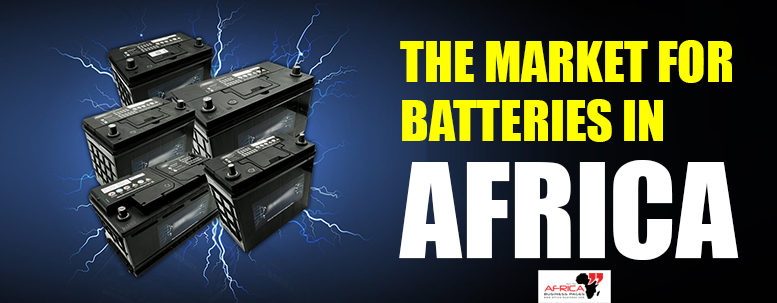
Battery manufacturers in East Africa are actively collaborating with regional governments to secure their supply chains and protect consumers from an influx of substandard imports. Following historical challenges faced by major players like Associated Battery Manufacturers (ABM) due to predatory scrap lead exports, the region is now aggressively restructuring its automotive battery sector. Local manufacturers—including ABM, Uganda Battery Manufacturers, and Tanzania's Yuasa Ltd—have successfully lobbied for stricter quality control standards at ports of entry to block cheap, short-lifespan imports that fail to withstand harsh African road conditions. In response to past raw material crises, regional governments have enacted stringent bans on the export of scrap lead. Lead, the core raw material for traditional automotive batteries, is highly scarce, and local manufacturers rely heavily on recycling old batteries. Previously, foreign entities circumvented global hazardous waste protocols by purchasing raw African scrap lead at a premium, starving local factories. Today, heavily enforced export bans have stabilized local production lines, saving thousands of manufacturing jobs in Kenya, Uganda, and Tanzania. Latest Industry Developments The African automotive battery market is currently experiencing a technological shift toward Maintenance-Free (MF) and Absorbent Glass Mat (AGM) batteries. As the continent's middle class expands and modern, electronics-heavy vehicles become more common, consumers are abandoning traditional flooded lead-acid batteries. These modern MF and AGM units offer significantly better durability, longer lifespans, and higher resistance to the extreme temperatures and intense vibrations characteristic of African driving conditions. Furthermore, the booming off-grid solar sector has created an unprecedented parallel demand for battery storage. While specialized deep-cycle batteries are optimal, millions of households and small businesses across Sub-Saharan Africa repurpose heavy-duty automotive batteries for domestic solar power storage. This dual-use phenomenon has exponentially driven up volume sales for wholesale distributors, transforming automotive batteries into a critical household utility rather than just a vehicular component. Top 7 African Importers of Automotive Batteries Data Source: Africa Automotive Trade Insights | © Africa Business Pages To further protect the domestic market, African nations are heavily investing in the circular economy. State-of-the-art lead recycling plants are being commissioned in major hubs like Nairobi and Lagos. These facilities ensure that end-of-life batteries are safely smelted and reintroduced into the local manufacturing chain, creating a sustainable, closed-loop system that permanently breaks the reliance on volatile global lead commodity prices. Finally, while the transition to Electric Vehicles (EVs) is steadily making headlines globally, lithium-ion battery technology remains largely confined to the premium and commercial two-wheeler segments within Africa. For the vast majority of the continent's massive internal combustion engine (ICE) fleet, the lead-acid battery remains the undisputed, cost-effective king. Distributors and wholesalers of batteries operating out of major trade hubs like Dubai continue to report record-breaking export volumes to Africa, solidifying the sector's long-term profitability. Did You Know? A Recyclable Giant: Lead-acid automotive batteries are the most recycled consumer product in the world. In formalized African markets, over 90% of old batteries are successfully collected and smelted for reuse. The Heavyweight Component: Lead accounts for approximately 60% of the total weight and cost of manufacturing a standard 12-volt automotive battery. Double Duty: Due to frequent power grid instability across Sub-Saharan Africa, an estimated 30% of all heavy-duty automotive batteries sold are never used in a car—they are used exclusively to store household solar power. Temperature Sensitivity: The intense heat of the African climate drastically shortens battery life. A battery that lasts four years in Europe often requires replacement after just 18 to 24 months in equatorial Africa. The UAE Connection: The United Arab Emirates remains one of the top five global suppliers of automotive batteries to the African continent, acting as the primary redistribution hub for Asian manufacturers.
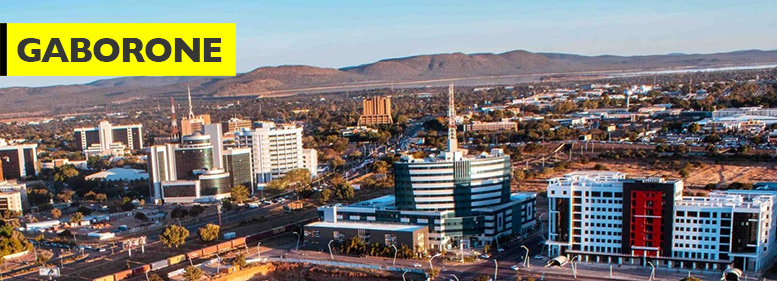
Botswana: Business hub in Southern Africa: Importers in Africa meet growing demand...
folder_open Automobiles Sector
In a recent report in the Foreign Policy magazine, the Carnegie Endowment for International Peace has ranked Botswana at number one (1) in Africa in its "Globalisation Index". Among the countries classified as “developing”, Botswana was ranked number three (3) after Malaysia (20) and Panama (27) and just ahead of Republic of (South) Korea (32). The other African states that were ranked in the index’s top 50 were: Tunisia (35), Uganda (38), Senegal (40), Nigeria (42), Morocco (47), and South Africa (49). Botswana's main sources of foreign exchange revenue are diamonds, copper-nickel, and beef. Strong increases in diamond revenues have enabled Botswana to continue its impressive rates of economic growth, averaging 12.9 percent since 1965. Judicious economic management has kept Botswana from the blunders committed by many developing countries. However, in recent times manufacturing is also growing in importance. It is estimated that approximately one-eighth of Botswana's revenues come from customs duties. On the other hand, cattle are the economic backbone of the country's large rural population. In fact, more than 50 per cent of Botswana's population makes its livelihood from raising stock. Surprising as it may be, cattle outnumber people in Botswana by a ratio of about two to one. Botswana's membership in the Southern African Customs Union (SACU), which also includes Lesotho, Namibia, South Africa and Swaziland, allows its products to be exported duty-free to the 35 million inhabitants of those countries. Botswana plays a leading role in the Southern African Development Coordination Conference (SADCC), an economic organization of all the black-ruled countries of southern Africa. Botswana also enjoys duty-free access to the European Community for many of its products. The Generalized System of Preferences (GSP) also permits duty-free entry to the United States from Botswana for a list of some 3,500 items. The Diamond Centre of Africa The ambition of the Botswana government is to establish Botswana as the major diamond center of the world. Being the world's largest diamond producer was not in itself enough and the country's ambition is to develop many other diamond-industry competencies. Recent developments have moved Botswana closer to its ambition: one being De Beers' aggregation announcement and the other being the establishment of the Diamond Technology Park, which would mean that Botswana would have facilities that would not only service the Botswana diamond industry, but also the diamond industry of the world by adding value to diamonds within Botswana. Modelled on similar successful international developments, the concept of the diamond technology park was that of a supply-chain cluster that could house the entire diamond industry in a centralized, finite manner. The park is being built in phased developments, creating opportunities for small, medium and micro enterprises. With half of the diamond industry involving services, the creation of the Diamond Technical Park would have an economic multiplier effect and would involve Botswanans in services enterprises. The technology park also had potential to provide work for Botswana's educated population, which had lacked opportunity. Botswana aims to transition from an upper-middle-income country to a high-income country by 2036, though it currently faces significant headwinds from over-dependence on mining Diamond Technology Park tenants are being drawn from the world's leading diamond companies, which have superior levels of expertise and solid experience. Other tenants would include companies that serviced the diamond-manufacturing industry such as banks, courier companies, machinery suppliers, information-technology companies, cleaning companies, security firms, a laboratory, restaurants, retail shops and self-catering accommodation. Customes & Excise Duties In general, goods imported into Botswana from outside the Southern African Customs Union - SACU (Botswana, Lesotho, Namibia, South Africa and Swaziland) attract customs duties at rates outlined in the Customs Tariff Book. Customs duties are paid against a prescribed declaration form formally known as a bill of entry, form BW500. A tariff book as well as a goods code book is available for sale at all regional Customs and Excise offices. There are some provisions in the Customs Tariff Book and Value Added Tax (VAT) Act exempting payment of certain customs and excise duties as well as VAT (10%) on raw materials imported by registered manufacturers or industries. Did You Know? Botswana is the largest exporter of gemstone diamonds in the world. Botswana is one of the leading beef exporters to the European Economic Community.
Demand for Tyres in Kenya Grwoing
folder_open Automobiles Sector
Backed by an explosive increase in domestic automotive demand and the undisputed emergence of Kenya as the major East African commercial hub, the tyre market in the country is projected to witness massive volume sales growth over the next five years. Today, the Kenyan tyre market is a 100% replacement-driven, import-reliant ecosystem. With a rapidly rising middle class and an expanding national infrastructure grid, Kenya offers a huge potential for new and used vehicle sales, thereby promising a highly lucrative outlook for the country’s automotive parts and tyre industry. Historically, Sameer Africa operated as the only domestic tyre manufacturing company. However, following the closure of its local production facilities to focus on contract manufacturing and distribution, the entire market is now fueled by imports. Global tyre giants such as Apollo, Pirelli, Hankook, and Dunlop aggressively operate in the Kenyan market alongside a massive influx of budget brands. The distribution landscape is highly competitive, led by veteran distributors like Kingsway Tyres, who have dominated the sector for over five decades. Kenya's Tyre Market: Overview The Kenyan tyre market is currently experiencing a massive structural shift driven by the booming "boda-boda" (motorcycle) and three-wheeler segments. As last-mile logistics and ride-hailing services expand rapidly across urban and rural centers, the demand for durable, budget-friendly two-wheeler tyres has skyrocketed, creating a highly profitable niche for Asian manufacturers. Concurrently, the commercial trucking sector is seeing a massive upgrade cycle as logistics companies expand their fleets to utilize the newly modernized Port of Mombasa and the Standard Gauge Railway (SGR) networks. Furthermore, regulatory changes are heavily influencing market dynamics. The Kenya Bureau of Standards (KEBS) has recently tightened enforcement on the importation of sub-standard and overly worn used tyres to improve road safety. This strict regulatory environment is slowly pushing consumers away from the grey market and towards affordable, brand-new radial tyres. Additionally, the gradual introduction of Electric Vehicles (EVs) in Nairobi is opening a brand-new premium segment for specialized, low-rolling-resistance tyres. Kenya Tyre Demand (2023 - 2030) Data Source: Africa Business Pages Market Research | © Africa Business Pages According to recent industry data, passenger cars, two-wheelers, and three-wheelers cumulatively account for over 70 per cent of overall tyre sales in Kenya. The domination of these specific automobile segments is expected to compound over the next five years. Geographically, the urban and logistical hubs of Nairobi, Mombasa, and Kisumu command the vast majority of overall tyre demand, a trend that forms the backbone of nationwide distribution strategies. The major trends anticipated for the tyre market in Kenya over the next five years include: Exponentially increasing demand for motorbike and commercial light-truck tyres. A gradual shift from unbranded budget tyres to certified, mid-tier Asian brands. Rapid expansion of the national automobile sector distributor network into tier-2 cities. Increasing penetration of Radial tyres across all commercial vehicle segments. Stricter government crackdowns on the importation of unsafe, second-hand tyres. Kenya now boasts a vibrant population of over 55 million people. The country is widely considered the most progressive, digitally connected economy in the East and Central Africa region. With a rising vehicle motorization rate, Kenya offers unparalleled potential for global automotive and aftermarket brands looking to establish a dominant footprint in Africa. Did You Know? 100% Import Driven: Since the closure of domestic manufacturing plants, every single new tyre sold in the Kenyan market today is imported from overseas. The "Boda-Boda" Boom: Motorcycles (locally known as boda-bodas) account for the fastest-growing segment of tyre volume sales, driven by their use as primary public transport and delivery vehicles. Gateway to the Landlocked: The Port of Mombasa doesn't just supply Kenya; it acts as the primary transit point for millions of tyres bound for landlocked neighbors like Uganda, Rwanda, and South Sudan. Strict Quality Rules: The Kenya Bureau of Standards (KEBS) implements the Pre-Export Verification of Conformity (PVoC) program, meaning all tyres must be inspected and certified in their country of origin before arriving in Kenya. The Used Car Phenomenon: Over 80% of personal vehicles imported into Kenya are used cars (primarily from Japan), creating a massive, immediate demand for aftermarket replacement tyres the moment they arrive.
However, a critical issue in the booming personal care sector is the adaptation of Western products to the specific needs of African consumers. Many renowned international companies have recognized this imperative, either adapting their global product formulations to suit African needs or launching entirely new product ranges. For example, major FMCG conglomerates have developed specialized ranges of shampoos and conditioners aimed specifically at natural ethnic hair; make-up manufacturers have introduced broader, darker shade palettes; and anti-ageing products have been specifically formulated for melanin-rich skin. This localization gap has also opened up lucrative opportunities for agile local entrepreneurs who intimately understand the market, with standout examples including SuzieBeauty Cosmetics (Kenya) and House of Tara (Nigeria) capturing significant market share from international incumbents. According to updated industry projections for 2026, the value of the Middle East and Africa region’s beauty and personal care market is expected to grow at a robust compound annual growth rate, surpassing $42 billion by 2028. South Africa remains a dominant contributor, generating over $4.8 billion annually, while Nigeria and Kenya possess the second and third largest industries in Sub-Saharan Africa, driven by massive youth demographics and rising urbanization. On a global scale, toiletries account for roughly 30 per cent of total sector sales. Skin care and hair care each contribute a further 20 per cent, while make-up and fragrances account for 10 per cent each. The men’s grooming and skin care categories have seen the most explosive increase in their share of the African market between 2022 and 2026, transitioning from niche segments to mainstream retail staples. Nigeria: Personal Care Market The Nigerian personal care sector is highly competitive, balancing international brand names with strong domestic manufacturers. Key players in the industry include Unilever Nigeria, PZ Cussons, Soulmate Industries, House of Tara, MAC Cosmetics, and Sleek Nigeria. Recent market intelligence indicates that personal care categories such as targeted skin brightening, organic body care, and premium cosmetics have grown exceptionally fast entering 2026. Even stronger growth is being witnessed in developing categories such as shower gels, men’s deodorants, and specialized grooming kits. While baseline demand for basic toiletries is driven organically by population growth, the premium categories rely heavily on expanding disposable income. Consequently, importers of cosmetics in Africa are bringing in increasingly larger, specialized quantities to meet this sophisticated consumer demand. Hair care products are generally considered more essential than other discretionary categories of personal care and have performed extraordinarily well in Nigeria over the past decade. This is primarily driven by a rapidly growing, independent young working female population. Other factors supporting the sector’s stellar performance include the ubiquity of high-speed mobile internet and the proliferation of modern shopping centres across secondary cities. Both factors have drastically increased brand exposure and democratized access to global beauty trends. Home Care The global home care market size surged past $230 billion recently. The largest sub-category remains laundry care, accounting for over half of total sales, followed by surface care and dishwashing. Due to the ongoing formalization of housing and rapid urbanization across much of Africa, this sector is currently underdeveloped relative to its potential. It is projected to expand aggressively, driven by increased modern home ownership, electrification, and rising household disposable incomes. Given Africa’s massive consumer base and the structural potential for rising household incomes, the fast-growing FMCG sector stands to benefit immensely. Because the sector provides scalable necessities and accessible everyday luxuries, market size is not as strictly constrained by macroeconomic volatility as high-ticket durable goods. Taking the FMCG sector’s unique characteristics into account—and considering demographic profiles, income tiers, and economic growth potential—the following countries exhibit the strongest prospects for retail growth over the next five to 10 years: Angola, Côte d'Ivoire, Ethiopia, Ghana, Kenya, Morocco, Mozambique, Nigeria, Rwanda, Tanzania, Uganda, and Zambia. Top Rice Importing Countries in Africa (Est. Annual Value USD Millions) © Africa Business Pages Source: FAO, ITC TradeMap & Regional Agricultural Estimates, 2026 Latest Economic & Trade Developments As of 2026, the African FMCG and foodstuffs sector is navigating a complex macroeconomic environment characterized by currency devaluations in major economies like Nigeria and Egypt. These foreign exchange (FX) pressures have made importing finished consumer goods significantly more expensive. In response, a massive structural shift toward "import substitution" is underway. Multinational corporations and large-scale importers are aggressively investing in local manufacturing plants and agro-processing facilities within Africa to bypass FX shortages, lower logistics costs, and secure localized supply chains. Simultaneously, the African Continental Free Trade Area (AfCFTA) is facilitating a boom in intra-African trade for processed foodstuffs. Countries with established manufacturing bases, such as South Africa, Kenya, and Morocco, are increasingly exporting FMCG goods tariff-free to neighboring landlocked markets. This regional integration is attracting record levels of private equity into African cold-chain logistics, warehousing, and B2B digital distribution platforms, fundamentally modernizing how food and personal care products move from factory to the informal retail kiosk. Africa Foodstuff Importers Directory: Database of Foodstuff Importers in Africa In a bid to help global foodstuff suppliers find verified importers, wholesalers, dealers, and agents in Africa, the African Business Pages has compiled a specialized directory. This comprehensive database lists active foodstuff importers across more than 24 African countries. The Africa Foodstuff Importers Directory is available as a digital download and has played an instrumental role in promoting direct B2B contacts between African foodstuff buyers and international suppliers. Adapted for immediate online distribution, the directory is available in Excel format as an instant digital download. It serves as an essential tool for export managers wanting to successfully navigate the African retail market. You can download the directory HERE. Additionally, for specialized commodities, you can also download the database of rice importers in Africa from the Africa Business Pages to reach high-volume commodity buyers directly. Did you know? Sub-Saharan Africa is projected to be the fastest-growing region globally for beauty and personal care products through 2028, expanding at over 8% annually. The African cosmetics market heavily favors specialized skin-brightening and moisture-intensive products tailored specifically for melanin-rich skin types. Men's grooming is currently the fastest-accelerating personal care segment in urban hubs like Lagos, Nairobi, and Johannesburg. Africa imports more than 16 million metric tons of rice annually, making it one of the largest continuous grain deficit regions in the world. Nigeria alone accounts for over $2 billion in annual rice imports (including grey-market cross-border flows), despite heavy government initiatives to boost local paddy production. The AfCFTA framework is currently catalyzing massive investments into intra-African agro-processing, aiming to reduce the continent's $45+ billion annual food import bill.
Preliminary request for participation in the trade show
place
calendar_today
Preliminary request for visitor registration
Visitor Registration
place
calendar_today