
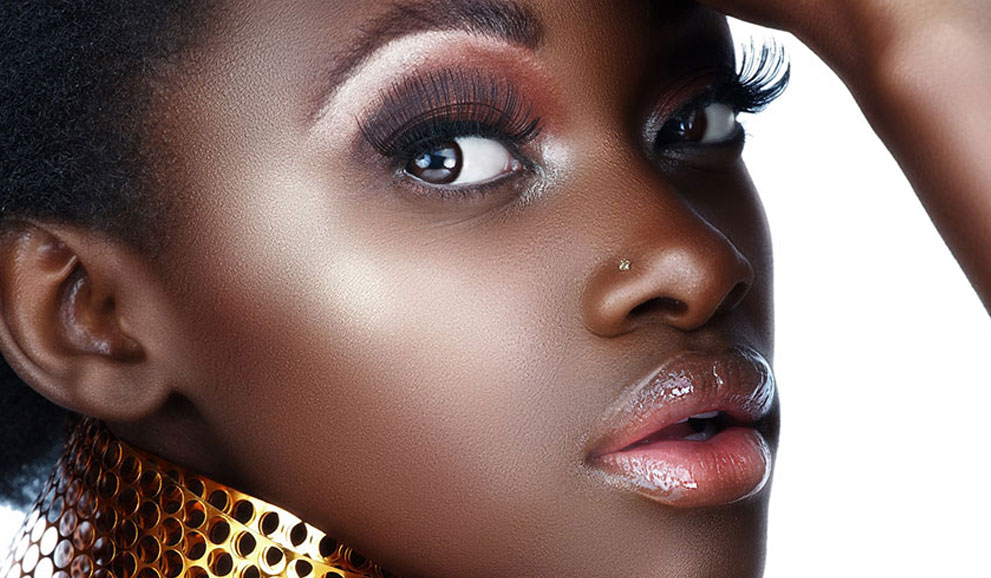
Africa presents one of the fastest-developing markets in the world, and the demand for cosmetics, toiletries, and personal care products is growing at a frantic pace. Not only is there a huge pent-up demand for premium upmarket products from Europe and North America, but also for an expansive range of budget-friendly beauty products from manufacturers across the globe.
When it comes to personal grooming and looking their best, African consumers are highly invested. As such, there is a massive retail demand for products such as beauty soaps, face washes, shampoos, hair relaxers, skin lotions, toners, anti-aging creams, perfumes, and color cosmetics. While there is a considerable and growing level of manufacturing activity taking place within Africa itself, an assertive, brand-conscious segment of urban consumers continues to demand the best international products.
Latest Industry Developments
The African beauty sector has recently undergone a major transformation driven by a renewed appreciation for indigenous, organic ingredients. Global cosmetics giants are now aggressively incorporating raw African materials—such as unrefined Shea Butter from West Africa, Marula Oil from Southern Africa, and authentic African Black Soap—into their premium product lines. Concurrently, a new wave of highly successful, homegrown "Afro-centric" beauty brands has emerged, creating products scientifically formulated specifically for African skin tones and hair textures, thereby directly challenging the historical dominance of Western imports.
Furthermore, the retail landscape has been revolutionized by digital adoption. E-commerce platforms and social media have drastically altered how beauty products are marketed and sold across the continent. A vibrant community of African beauty influencers on platforms like TikTok and Instagram is now driving consumer trends and product discovery. This digital shift has allowed international wholesalers and Dubai-based distributors to market directly to tech-savvy, younger demographics in cities like Lagos, Nairobi, and Johannesburg, completely bypassing traditional brick-and-mortar retail bottlenecks.

Africa Beauty & Cosmetics Market Size - Overview
The Dubai Sourcing Advantage
Enterprising African traders are keen to source high-quality cosmetics from global manufacturers but are often hamstrung by minimum order quantities. Most manufacturers require purchases that run into several container loads, which is often not viable for independent buyers. Additionally, sourcing facial products from Europe, toiletries from the Far East, and herbal cosmetics from the USA places immense logistical and banking constraints on the buyer.
In this scenario, Dubai offers African importers the ideal, consolidated marketplace. "African buyers can source all their varied requirements from just one central location," says Mohd Al Khatib, Managing Director of Siblin Cosmetics (LLC), a leading supplier of salon equipment. "Buyers can select from a vast range of merchandise, buy exactly the mixed quantities they require, and then ship the consolidated goods back to Africa at highly competitive freight costs."
Dubai's unparalleled strength in the wholesale cosmetics business is based on high-volume, low-priced goods and virtually zero import duties. "We have excellent connections with Far Eastern and European suppliers and can offer their products to African buyers at incredible prices because we operate in a low-tariff environment," says Ziad Sabbagh of Al Nasaem Company.
African buyers are extremely satisfied with this supply chain model. "Prices in Africa for these premium imported goods are often double," notes Grace Wanjiku, an entrepreneur from Kenya who frequently visits Dubai to restock her Nairobi-based salon. This established trend of sourcing beauty products from the UAE is expected to grow exponentially as consumer demand in Africa continues to rise.
How to Promote Your Beauty Brand in Africa
There are several highly effective strategies for cosmetic dealers and manufacturers to make their presence felt in the African market. For traders dealing in affordably priced products manufactured in the Far East (China, Korea, Malaysia), Africa represents a ready, highly receptive market. To capture this audience, consider the following avenues:
1. Industry Exhibitions & Trade Fairs: The most direct way to establish B2B contacts is by participating in major regional events like the annual Beauty Africa exhibitions held across key hubs such as Lagos, Nairobi, and Kampala. These fairs are critical springboards for establishing long-term distributorships.
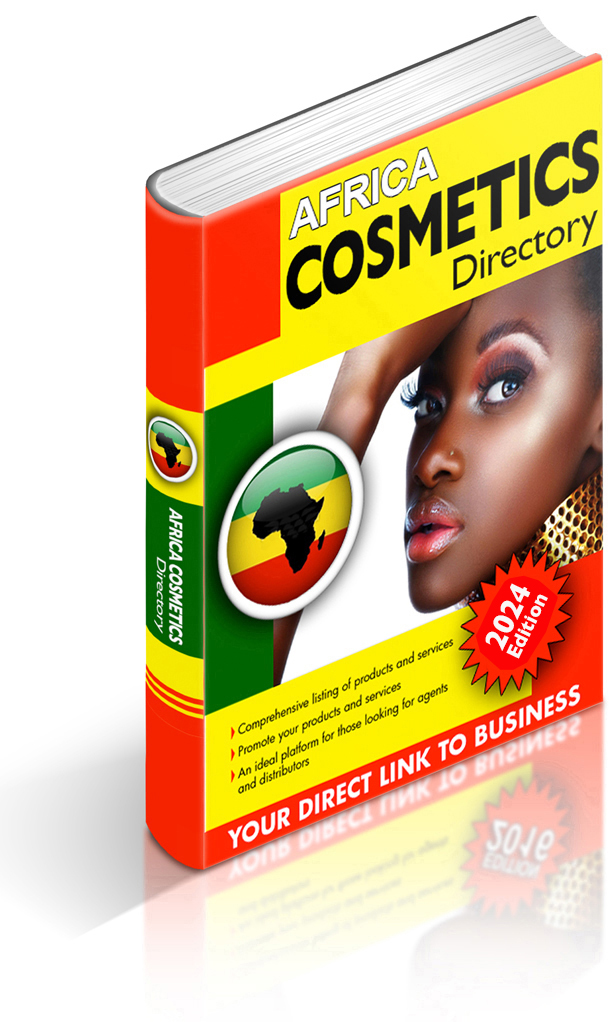
2. Direct Digital Marketing: Download the Africa Importers Directory and begin direct email and WhatsApp marketing campaigns to targeted business counterparts. Kenya, for example, is the gateway to East Africa; securing a distributor there grants you immediate access to several landlocked neighboring countries.
3. African B2B Portals: Harness the power of the internet by posting your bulk offers on the African Classified Advertisements section. Employing dedicated B2B platforms ensures your products are seen specifically by active, verified African buyers looking for new suppliers.
4. Featured Digital Profiles: Finally, add your company to the Featured Suppliers Section of the Africa Business Pages. This provides a dedicated, SEO-optimized editorial about your brand, direct links to your sales channels, and instant credibility in the African market.
Did You Know?