

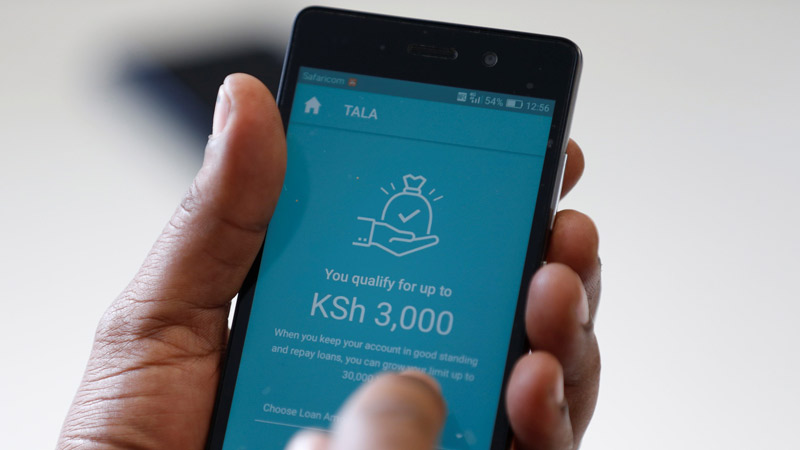
While it is still far behind most of the world, African connectivity has exploded over the past decade. International and pan-African telecommunication operators have invested in information and communication technology (ICT) infrastructure to improve connectivity and cut costs for both operators and end users.
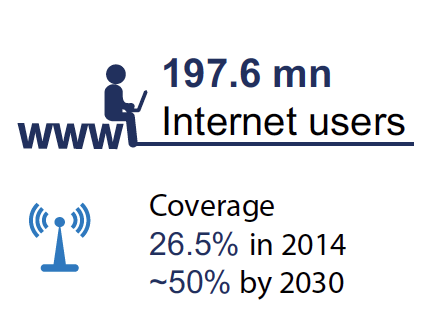
The African continent now boasts nearly 10 per cent of the world’s Internet users, and more than one-third of the continent’s population have Internet access. Along with Internet access, Africa has also seen tremendous growth in access to mobile technology.
The GSM Association reports that Sub-Saharan Africa has more than 600 million unique subscribers and will become the fastest-growing region in the world, with a compound annual growth rate of 7 per cent through 2030. In the same period, overall penetration is expected to increase to 79 per cent, with smartphone connections increasing to over 800 million by 2030.
As high-speed Internet becomes more prominent and the cost of smartphones and tablets declines, the better ICT infrastructure and access to technology can further transform the way people and businesses function across the region.
With little landline infrastructure, mobile technology quickly became the first choice for phone communication in many African countries. The technology was then applied to solve other challenges. A Kenyan-based company, M-Pesa, which provides financial services using a mobile phone platform, processes nearly $1.5 billion of transactions per month for over 12 million active users.
The platform has expanded to provide a “pay-as-you-go” service called M-Kopa, which allows millions of people living outside the reach of a reliable electrical grid in Kenya, Tanzania, and Uganda to move from using kerosene directly to solar-powered energy.
Technology is also being used to create innovation in the health, education, and agricultural sectors.
 For instance,
mPedigree, a technology company based in Ghana, developed an app and portal to
protect consumers from products that may be
counterfeit such as medications. Schools in Kenya are increasing literacy through
e-readers and tablets charged by solar panel
systems. And smallholder farmers are adopting advances in agricultural biotechnology
to increase crop production, including maize,
soybeans, and cotton.
For instance,
mPedigree, a technology company based in Ghana, developed an app and portal to
protect consumers from products that may be
counterfeit such as medications. Schools in Kenya are increasing literacy through
e-readers and tablets charged by solar panel
systems. And smallholder farmers are adopting advances in agricultural biotechnology
to increase crop production, including maize,
soybeans, and cotton.
Currently, crops engineered to be disease resistant, increase yield, or repel insects are grown in South Africa, Burkina Faso, and Sudan, with additional crops being tested in seven other African countries.
In retail, Nigerian-based Mobile Media Infotech Limited backed by a US mobile payment platform provider, has introduced M-Iflo, which acts as a payment intermediary between mobile wallet providers and online merchants. More than 200 innovation hubs, technology labs, science and technology parks, incubators, and accelerators in over 30 African countries provide a boost to continued innovation and entrepreneurial activity.s.