

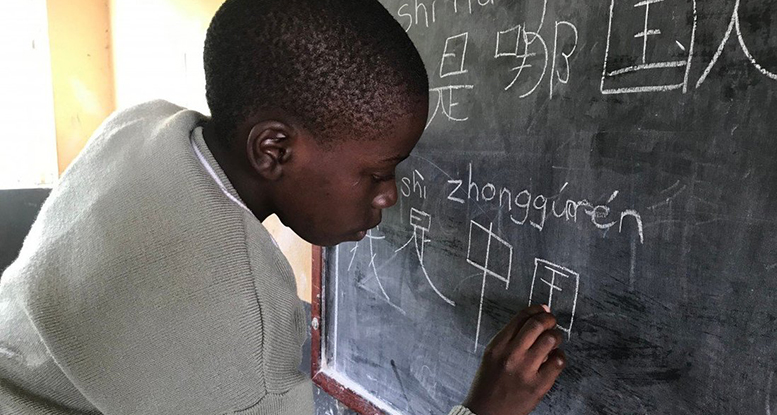
Contemporary Africa-China relations have a long history and began around the 1950s, when China signed the first official bilateral trade agreements with Algeria, Egypt, Guinea, Somalia, Morocco, and Sudan. As of the 21st century, the number of Chinese citizens in Africa is estimated to be over 1,000,000, while the African diaspora in China remains a vibrant community of around 200,000.
Economic ties between Africa and the People’s Republic of China grow increasingly strong, solidifying China's position as Africa’s largest trading partner. In the 1990s, the trade between both parties increased by 700 per cent. The Forum on China-Africa Cooperation (FOCAC) was established in 2000 as an official platform to strengthen this multifaceted relationship.
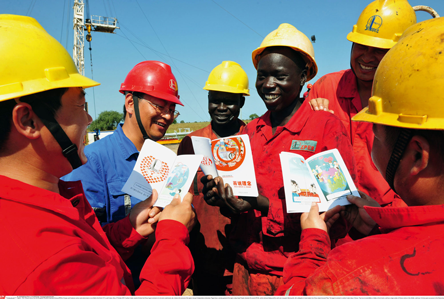 On the other hand, the relationship China enjoys with Africa has been scrutinized by Western countries, who frequently cite concerns regarding business practices, governance, and human rights. However, outside of pure commerce, China has consistently shown tangible support to Africa in matters of foreign aid, healthcare development, and massive infrastructure projects. Culturally, Africa now hosts dozens of Chinese centers and Confucius Institutes built to promote the Chinese language and culture.
Mandarin – the Chinese language – is the most widely spoken language in the world and ranks as the second most popular business language after English. China’s economy is the second largest in the world. Its rapid growth and emergence as a global powerhouse underscore the critical significance of understanding Chinese business developments.
Demand for China’s consumer goods grows with each decade, fueled by its population of over 1.4 billion and the explosive global activity of China’s major enterprises. China is also among the world's largest foreign investors and maintains the highest number of trading partnerships across almost 130 countries.
Business analysts around the world claim that those who do not speak Mandarin are at a severe disadvantage in the 21st century. The study of the Chinese language opens lucrative pathways into Chinese politics, economics, history, and exclusive B2B networking opportunities.
The Rise of Mandarin in African Education
To support this expanding economic alliance, the integration of Mandarin within African educational frameworks has accelerated remarkably. As highlighted during the 2024 Joint Conference of Confucius Institutes in Africa held in Nairobi, there are now dozens of operational institutes and classrooms across the continent. This commitment to cultural exchange was further solidified with the recent formation of the East African Confucius Institutes Alliance, which brings together representatives from multiple countries to streamline language education and localize teaching resources.
Beyond institutional hubs, Mandarin is increasingly recognized as a vital geopolitical and business asset, moving from a niche subject to a core curriculum requirement. Recognizing the practical benefits of this linguistic alignment, nations like Kenya have officially incorporated Chinese into their national education systems. This strategic educational shift ensures that the next generation of African professionals is equipped to engage directly with Chinese investors, navigate bilateral trade agreements, and capitalize on the growing number of people-to-people exchanges.
A New Era of Trade Relations
Diplomatic relations between China and Africa have shown a high level of improvement since the 1970s following the Cold War. China expressed its solidarity with the Pan-Africanist Congress, while also supporting African countries in their quests for independence. In 1971, African nations were instrumental in securing China’s seat in the United Nations. Since 1996, China has practiced a policy of ‘non-interference’ in the domestic affairs of African countries, leading to frequent state visits and continuous dialogue in Beijing.
By the end of 2025, the trade volume between China and Africa hit a record high, reaching US$ 348 billion, demonstrating a 17.7% year-on-year growth despite prevailing global economic headwinds. China’s total direct investment in Africa continues to expand deeply, while its commercial loans to Africa have driven over 1,500 major cooperation projects all over the continent. This infrastructure assistance has totaled hundreds of billions of RMB Yuan over the past several decades, cementing China as an indispensable economic ally.
Did You Know?