
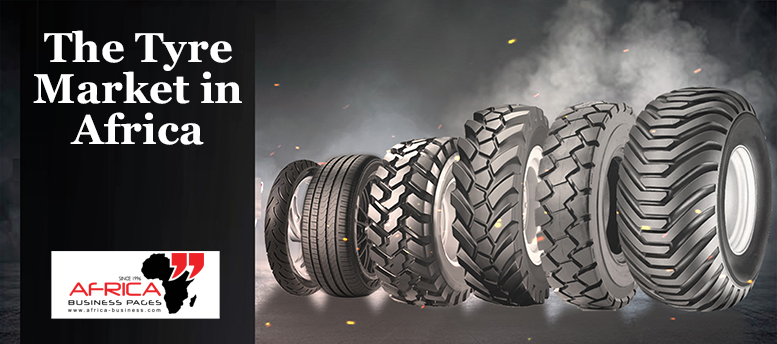
The tyre business in East Africa is undergoing a major transformation. The demand-and-supply equilibrium, historically disrupted by global economic fluctuations, is now being heavily reshaped by shifting global supply chains, rising freight costs, and booming automotive demand in Kenya, Uganda, and Tanzania.
The rising demand for tyres across the continent has led to stiff competition between global manufacturers seeking to secure a major share of the emerging African markets. Traditionally, European tyre manufacturers held a monopoly over these regions, with premium European brands dominating sales in many African countries.
However, European tyre firms have steadily lost ground to Chinese and other Asian brands. Chinese tyres have gained immense popularity and market share. Because many developing African nations are highly price-sensitive markets, fleet operators and individual consumers increasingly prefer to import high-quality but competitively priced Chinese tyres over expensive European and American counterparts. Consequently, China has solidified its position as the undisputed leading exporter of tyres to Africa.
"Supply chain disruptions over the last few years forced many distributors to rethink their sourcing," notes local industry experts. "Supply and logistics remain tight, and with global manufacturers balancing varied regional demands, African distributors have to be highly strategic, planning shipments way ahead to ensure adequate stock levels."
Tyre Importers in Africa
 Kenya’s legacy tyre giant, Sameer Africa, strategically pivoted from local manufacturing to a robust importation and distribution model to meet the strong demand for affordable, high-quality products in the East Africa market. By leveraging global supply chains, the company significantly increased its product range. "We restructured our business to focus on sourcing the best global products for our market, allowing us to finance the importation of a diverse range of tyres to meet precise local needs," company representatives previously noted.
The Chinese brands heavily imported into East Africa include major names like Triangle, Linglong, and Sailun. "The tyres are highly affordable but very durable. When distributors import, they don’t just bring in anything; they buy tested quality meant for rough African terrains."
 Logistics remain a complex factor. Usually, it takes 30 to 60 days for confirmed shipments to arrive in East Africa from overseas suppliers, though port congestions can occasionally extend this. Furthermore, fluctuating raw material costs (like steel and natural rubber) and volatile shipping insurance rates in the Red Sea and Horn of Africa regions have occasionally contributed to escalating tyre costs. To survive and thrive, major importers maintain uncompromising quality at affordable prices, backed by extensive after-sales service and warranties.
Latest Trade Developments in the Tyre Sector
Entering 2026, the implementation of the African Continental Free Trade Area (AfCFTA) is fundamentally restructuring how tyres are distributed across the continent. By systematically reducing cross-border tariffs, AfCFTA has allowed major importers in coastal hubs like Mombasa, Dar es Salaam, and Djibouti to serve landlocked countries such as Rwanda, Uganda, and Ethiopia much more cost-effectively. This has led to the rise of massive regional warehousing centers that hold buffer stocks, protecting local markets from the volatility of international shipping delays and enabling just-in-time delivery for large fleet operators.
Simultaneously, there is a distinct shift in product demand towards specialized application tyres. The booming mining sectors in the Democratic Republic of Congo, Zambia, and South Africa have triggered massive demand for Off-The-Road (OTR) heavy-duty tyres. Meanwhile, rapid urbanization and the gradual introduction of electric vehicles (EVs) in nations like South Africa, Morocco, and Kenya are forcing importers to source EV-specific tyres, which require different tread designs and load-bearing capacities compared to traditional internal combustion engine vehicles.
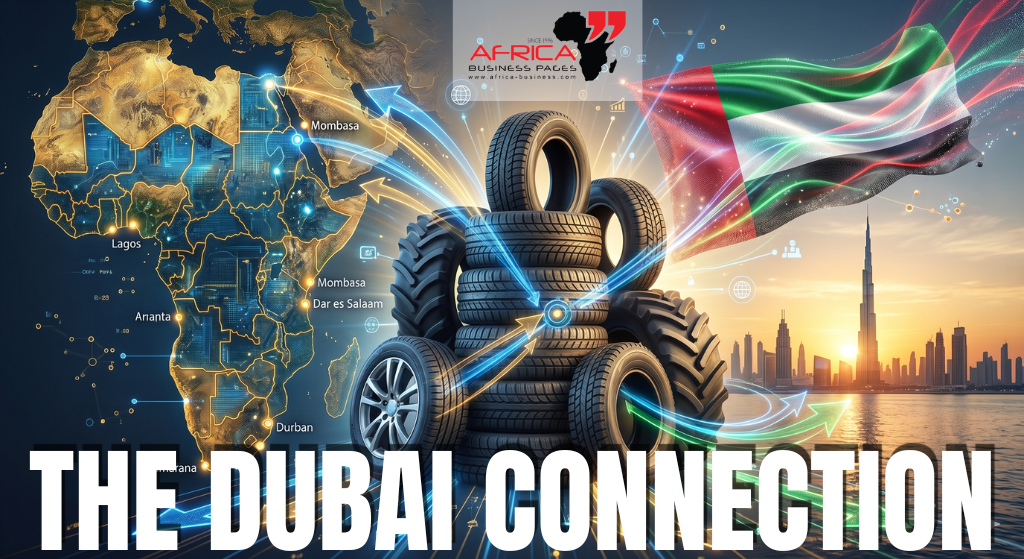
Tyres from Dubai to Africa
Wholesalers and traders in Dubai continue to be the vital link meeting the rising demand for automotive tyres in Africa. The close geographical proximity, coupled with an extensive, highly capitalized network of wholesalers in the UAE, has helped Dubai-based dealers seamlessly cater to African markets. Tyre dealers in Dubai supply a comprehensive range of products—from passenger car radials and heavy truck tyres to agricultural, industrial, and motorcycle tyres.
Some of the major suppliers in Dubai that export tyres to Africa on a regular basis include:
African buyers strongly prefer sourcing from Dubai due to the immediate availability of mixed-container loads, highly competitive wholesale pricing, rapid shipping routes to African ports, and the ease of travel for business procurement.
Africa Tyres Dealers Directory:
Download the Database of Tyre Importers in Africa
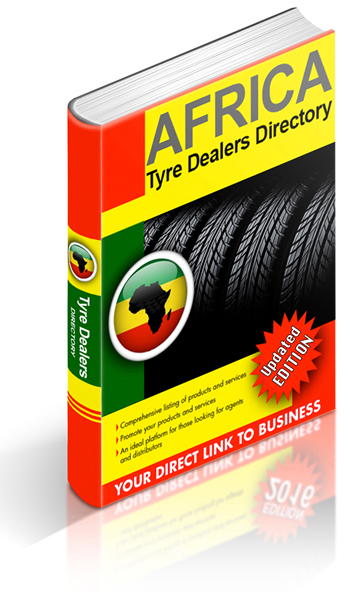 In a bid to help global tyre manufacturers and suppliers find verified importers, wholesalers, dealers, and agents, the African Business Pages has compiled a highly specialized directory. This database lists active tyre importers across more than 24 African countries. The Africa Tyre Dealers Directory is available as a digital download and has played an instrumental role in promoting direct B2B contacts between African buyers and global suppliers.
Adapted for immediate online distribution, the directory is available in Excel format as an instant download. It serves as a critical tool for any export manager wanting to penetrate the African automotive sector. You can download the directory HERE.
Did you know?