
West Africa: The Growing Market
folder_open West Africa
As the oil boom in West Africa swells, many international businesses are making a beeline for the West coast of Africa where many new business and investments opportunities are providing excellent return on investments as well as profitable trading opportunities. We bring you an analysis of the latest developments in the West African markets... There are several export opportunities that West Africa offers to international businesses. As a result, the West African region is being taken seriously by many international businesses. If you look at Europe, it is forecasted that the continent will have zero per cent economic growth over the next two years. If you look at the United States, it is quite clear from the data that is coming out that the US economy is soft and the world’s biggest consumer market, is going to slow global exports and trade volumes. On the other hand, Europe, traditionally a significant export market, is going to bring new challenges because people are going to start buying cheaper products to compensate for their weakening spending power. In Africa, on the other hand, there is a new economic growth happening. In Cameroon, for instance, during 2009 when the global financial crisis hit, imports into the country actually increased. Moreover, there is an oil boom happening on the west coast of Africa. There is also a commodity boom that is developing where primary goods are being exported out of the continent, mostly into India and China. All these developments, coupled with the democratic dividend, make doing business with West African countries a win-win proposition. Business Opportunities in Africa South Africa has emerged as a springboard into the west coast of Africa, from Namibia and Angola, right up to Nigeria, and then cutting across to Ghana, Cote d’Ivoire, Senegal and even Sierra Leone. There is a natural linkage in these growing economies and the rest of the continent. As these economies expand and their middle classes grow, there will be a shift for consumer products. There are a number of products that are in demand in the West African markets. Petroleum by-products like synthetics, lubricants, etc. have a ready market in West Africa. On the building materials side, the infrastructure development happening in these African countries holds potential for the export of products such as steel, cement and metal pipes. Looking at food products, there are huge opportunities. We’ve already seen a spike in the exports of wine and spirits. There is also a demand for some of the clothing and garments, such as shoes and high-end apparel. Another opportunity would be to export services to these countries such as software applications. And then also in some of West Africa’s bigger cities they are facing some serious environmental problems, and they are looking for support and services such as water management and dealing with the impacts of climate change. From an operating platform, you have to look at what’s happening in the individual economies. West Africa’s oil & gas sector has just taken off. If you look at the global dock yards that build and service oil rigs – there are only three of them in the world, based in Aberdeen, Houston and Singapore. Now they don’t have enough space to service the new rigs, so developing service centres for them is a an excellent investment opportunity. The rule of thumb is when a rig enters a port for six to eight weeks they contribute about US$29 million to its current account. Then if you look at some of the supply chains, there are new supply chains that are developing in South Africa to the west coast of Africa. A German shipping line and a Scandinavian shipping company has recently set-up operations in the Western Cape. Using smaller ships, they are doing shorter runs into Africa. DHL has also relocated its Sub-Saharan Africa head office from Johannesburg to Cape Town. “Governance and growth rates have improved to the point where Africa has been the fastest growing region of the world for some years. Inflation has dropped, fiscal policy has improved and investment returns have increased,” says Tom Cargill, Chatham House’s Africa programme assistant director. “Yet while conventional wisdom is that recent growth has been largely driven by higher commodity prices, there is much evidence that increased consumption has played a central role, driven by and further driving the emergence in many African countries of a more assertive middle class with disposable wealth and an appetite for consumer goods,” he says. There are people who have picked-up on the opportunities in West Africa, have done their homework and already doing business. People are starting to realise that it is easier to do business in Africa than in India or China. The market access into India is extremely difficult. Market access into China is not that difficult, but it is an extremely crowded space. Africa is that one environment where it is a lot easier to establish the contact and get the trade flow going. Growing Market in Africa There are 15 countries in the Economic Community of West African States (ECOWAS): Benin, Burkina Faso, Cape Verde, Cote d’Ivoire, Gambia, Ghana, Guinea, Guinea Bissau, Liberia, Mali, Niger, Senegal, Sierra Leone and Togo. ECOWAS works to promote co-operation in the region on a range of economic and political issues including conflict resolution. The countries of West Africa have a population of 245 million. About 65 percent of them live in rural areas. Eight countries in the region (Benin, Burkina Faso, Cote d’Ivoire, Guinea-Bissau, Mali, Niger, Senegal and Togo) are members of the West Africa Economy and Monetary Union (WAEMU) and share a common currency, a common central bank, a development bank, a regional stock exchange and a common banking regulator. The average yearly income for each person in West Africa is $309. The region’s economic growth has averaged only 2.5 percent during the past three years while its population has been growing by 2.2 percent a year. It is estimated that economic growth of about 6-7 percent a year would be required to meet the goal of cutting extreme poverty in half by 2030.

Ghana: The New Market
folder_open West Africa
Ghana is making rapid strides as a new market for consumer goods in West Africa. Demand for consumer goods has been rising in Ghana at an average of 20 per cent since 2002. As the middle-class reaps the benefit of economic reforms, the demand for computers, mobile phones, consumer electronics and home appliances, tyres, automobile parts, stationery, perfumes and cosmetics has been registering a steady growth. Dubai has emerged as a major supplier of goods to the West African nation and has emerged as a leading exporter to the country. To further strengthen the trade ties between Ghana and Dubai, a delegation from Ghana led by the country’s vice-president Alhaji Aliu Mahama visited Dubai recently. While in Dubai, he met with high ranking officials of Dubai Customs World (DCW) including chief executive officer Hamad Mohammad Fadhel Al Mazrooie. The talks centred around the Mirsal-DCW system, a new generation customs clearance and control system developed by DCW. “The Mirsal system has been developed with a view to plug leakages in the customs department's revenue stream. We have successfully implemented it in Djibouti and are looking forward to sharing our knowledge with countries like Ghana," Al Mazrooie said. Ghana, a major exporter of cocoa, timber and minerals, has seen a significant increase its trade with Dubai. Dubai's exports to Ghana grew 41 per cent from Dh24.04 million in 2009 to approximately Dh50 million in 2020. On the other hand, Dubai’s imports registered approximately 15 per cent increase for the same period, from Dhs 56.20 million to over Dhs 66 million. During a visit to the world-renowned Jebel Ali Free Zone Authority, Ghana vice-president Aliu Mahama said that his country wanted to emulate some of the Dubai’s strategies. Speaking to Africa Business Pages during a press conference he said: “We do not want to reinvent the wheel when it concerns economic development. We can learn from you.” Previous Next

Business Opportunities in Nigeria
folder_open West Africa
Nigeria is Africa’s most populous country with a population of 150 million. This makes one in every six Africans a Nigerian. It is also one of the largest oil producer on the continent creating huge inflows of foreign income. Without question, Nigeria holds enormous commercial potential as recent administrations have focused on developing the non-oil economy and tackling corruption and red tape. The explosion of industries such as the mobile telecoms market and the unparalleled success of foreign companies such as South Africa’s MTN have also demonstrated that potential can be turned into reality. Despite persistent problems of corruption and bureaucracy the international business community increasingly sees Nigeria as the central driver of a vast African market that remains the last under-developed commercial market in the world. Getting a local business partner in Nigeria is highly recommended but finding the right partner is critical. Your biggest risk will not be ending up with a fraudulent partner but an ineffectual one – the same risk as you would find in any other country. Make sure potential business partners come recommended by someone you know and trust. Do proper research into the people and companies that you are dealing with and be sensible and cautious in making decisions. Your local Nigerian Trade Commission and the Nigerian Investment Promotion Council both offer screening services to validate the authenticity of companies. Agro-Business in Nigeria Not only does Nigeria have approximately 84 million hectares of arable land, fertile soil, excellent climate for growing crops and low labour cost, but it also has the advantage that 70% of its population works in the agricultural sector. The international community has recognised that investment returns in Nigeria are high and various donors and organisations are investing in specifically its booming agriculture sector. At the moment this sector contributes to 47% of its Gross Domestic Product (GDP) and is responsible for 10% of its export earnings. Foreign direct investment inflows are currently at $6.1 billion and the GDP is growing at a rate of 7.71%, making Nigeria the fastest growing economy in Sub-Saharan Africa as well as placing Nigeria as a ‘top 20’ economy in the world. Various initiatives have been created to boost Nigeria’s agriculture sector as well as to attract investors and further develop participation of the private sector. These initiatives include: Nigeria’s Agricultural Transformation Agenda Nigerian Incentive based Risk Sharing System for Agricultural Lending (NIRSAL) Enhancing Financial Innovation and Access (EFInA) Nigerian Strategy Support Programme (NSSP) Nigeria’s Agricultural Transformation Agenda is aimed specifically towards the private sector. Investors will benefit from directly selling farmers inputs, being involved in key sectors – e.g.: fertilizer, agricultural equipment, etc.; and representing the agricultural sector to the government. The Nigerian Incentive based Risk Sharing System for Agricultural Lending (NIRSAL) benefits from a 450 billion Naira credit portfolio set up by the Central Bank of Nigeria that increases access to credit and lowering interest rates. Investors will also be able to benefit from a N1 billion investment into Micro Finance Banks (MFBs) in rural areas – this initiative makes it easier for investors to do business in rural areas as the indigenous supply chain will benefit from much improved access to banks, credits and loans. Enhancing Financial Innovation and Access (EFInA) is a financial sector initiative that promotes financial inclusion in Nigeria. EFInA is funded by the UK Government Department for International Development (DFID) and The Bill & Melinda Gates Foundation. The initiative supports and facilitates the emergence of an all-inclusive and growth-promoting financial system – in particular its support for promoting financial access through catalysing the provision of appropriate services at an affordable price to those who are currently excluded will support the indigenous supply chain and provide investors with more reliable access to markets. Nigerian Strategy Support Programme (NSSP) is focused more on policy making in the agriculture sector providing investors access to further detailed knowledge about the sector through data and analysis. Through the above initiatives, Nigeria is illustrating its commitment in achieving its Millennium Development Goal of eliminating poverty and promoting food security. The goal is to increase agricultural output by 160% from $90 billion in 2011 to $256 billion in 2030. Investors will benefit from the country’s renewed focus on this sector and the potential to participate in assuring food security both in Nigeria and beyond. Nigeria's Key Crops Nigeria is the largest Sub-Saharan African country that is producing fresh produce and perishable goods. There is significant and growing demand by the EU to import more perishable goods and this market could be a dominant one for the country once the agricultural sector is in a position to export more goods. Key crops that are highlighted by the Federal Government and its various initiatives include: Cassava Tomatoes Rice Cotton Fisheries Maize Cocoa The domestic and global demands for these crops are increasing providing an excellent opportunity for stakeholders to invest in. For instance, the global market for cassava is vast and is still growing. Cassava can be used for chips and its remains can be processed into pellets which could contribute to animal feed and energy production. The global market for both cassava chips and pellets is approximately $1 billion and has grown at 20% per annum. Investment wise, with a start up of N525 million and a 115 000 ton cassava input mill, there would be an estimated internal rate of return (IRR) of 19% and could break even after 4.5 years. The key crops identified are grown in areas best suited for producing high quality products. For example, cotton production is more in the Northern part of the country and in states such as Zamfara, Katsina, Kano, Jigawa; while maize production is over central Nigeria and in states such as Niger, Kaduna, Bauchi, Gombe and Borno; and cassava and cocoa production is more in the Southern part of the country in states such as Ogun, Lagos, Osun, Ondo, Edo, Enugu, Ebonyi, Kogi and Anambra. Product / crop selection could therefore influence heavily where investors choose to operate their businesses. A determined government plans to have Nigeria’s agriculture production self sufficient by 2020 and export 80% of its total output by 2025. These targets are achievable and very realistic for three basic reasons: Favourable Conditions: The country has the necessary components such as a wonderful topography and excellent climate to grow crops that are in global demand. Government Support: The Federal Government has the right attitude. These initiatives are fully supported by the government while agribusiness is becoming a priority for its economic growth. External Backing: The country has excellent support from external organisations and governments such as the G20, US government, DFID, the Bill and Melinda Gates Foundation and the World Bank, who all believe it will achieve its potential. Overall, Nigeria is an investor’s dream and with the rapid growth rate of its agriculture sector, it is destined to become a model country not only in West Africa but for the rest of Africa. Did You Know? Economic Powerhouse: Nigeria boasts the largest population in Africa and is one of the continent's largest economies, driven by a vibrant mix of agriculture, telecommunications, and a booming entertainment sector. Untapped Solid Minerals: Beyond its famous oil reserves, Nigeria is a treasure trove of over 40 different types of commercially viable solid minerals—including gold, tin, columbite, and tantalite—many of which remain largely unexploited. Eco-Friendly Coal: Nigerian coal is highly sought after internationally. It is one of the most bituminous coals in the world, renowned for its extremely low sulfur and ash content, making it exceptionally environment-friendly. Massive Bitumen Reserves: Nigeria possesses an estimated 42 billion tonnes of indicated bitumen deposits—which is almost twice the volume of its existing crude petroleum reserves! Agricultural Backbone: Despite the dominance of the oil sector in export revenues, agriculture remains the true backbone of the workforce, employing roughly 70% of the Nigerian population.
Walvis Bay: Link To Southern Africa
folder_open West Africa
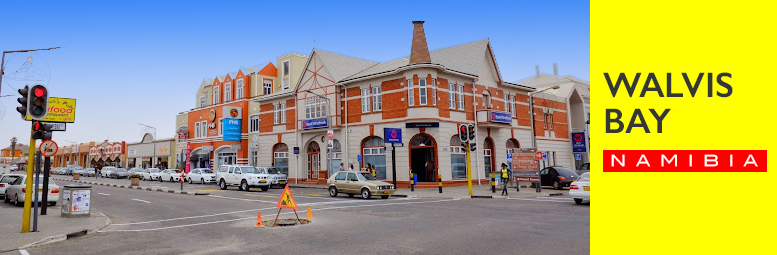
Namibia’s Port of Walvis Bay offers unparalleled advantages for international importers and exporters, acting as a highly strategic maritime interface between Southern Africa, Europe, the Americas, and the Far East. Namport’s strategic mandate is to consolidate Walvis Bay as the premier, congestion-free regional gateway serving the entire Southern African Development Community (SADC) and the expansive West African coast. Through the highly efficient Walvis Bay Corridors, the port's infrastructure and geographic location make it the ideal conduit for SADC-bound sea freight. It provides a vastly more cost-effective and reliable alternative to traditional South African ports, which frequently operate at maximum capacity and suffer from weather-related handling delays. In fact, the Port of Walvis Bay is universally recognized as one of Africa’s most efficient and technologically equipped maritime hubs, with the capacity to handle well over eight million tonnes of cargo annually. It is seamlessly linked to Namibia’s national air, rail, and road networks, making it perfectly placed to service landlocked countries like Zambia, Zimbabwe, and Botswana via the arteries of the Walvis Bay Corridor Group. Latest Economic Developments Namibia's economy is currently undergoing a historic and highly lucrative transformation, driven by multi-billion-dollar offshore oil and gas discoveries in the Orange Basin. Recent high-impact deepwater finds by global energy giants like TotalEnergies (the Venus discovery) and Galp (the Mopane complex) are rapidly advancing toward final investment decisions in 2026. These massive offshore developments are not only projected to exponentially increase the country's GDP by the end of the decade but are also attracting a surge of foreign direct investment aimed at upgrading domestic infrastructure and port logistics to support an incoming oil boom. Concurrently, Namibia is aggressively positioning itself as a global pioneer in the green energy transition. The flagship $10 billion Hyphen green hydrogen project is making significant headway in the southern regions, while a fully operational, integrated 5 MW green hydrogen plant was successfully launched directly at the Port of Walvis Bay in late 2025. By harnessing local solar and wind power to fuel heavy-duty port equipment and produce green ammonia for export, Namibia is rapidly establishing itself as a premier, low-carbon maritime hub capable of servicing next-generation international shipping fleets. Namibia's Top 10 Imports Data Source: UN COMTRADE / OEC | © Africa Business Pages Key Benefits of Walvis Bay: Strategic Location: Situated halfway down the Namibian coast with direct, unimpeded access to the principal international shipping routes. Regional Hub: Firmly established as the primary logistical distribution center for central and southern Africa. Rapid Turnaround: Offloading times vary from just 12 to 15 hours for container vessels, and 24 to 48 hours for bulk cargo, drastically reducing demurrage costs. Temperate Climate: There are virtually zero operational delays due to severe weather conditions, as the port experiences stable, temperate weather throughout the year. World-Class Security: ISPS (International Ship and Port Facility Security Code) compliant, featuring maximum security protocols including comprehensive closed-circuit surveillance. Did You Know? Green Hydrogen Pioneer: Namibia recently launched one of Africa's first integrated green hydrogen port facilities in Walvis Bay, utilizing local solar and wind power to fuel port operations. Deepwater Oil Boom: Recent offshore oil discoveries in the Orange Basin are estimated to hold several billion barrels, potentially transforming Namibia into a major global oil exporter by 2030. The Uranium Heavyweight: Namibia is consistently ranked as one of the top three largest producers and exporters of uranium in the entire world. The Skeleton Coast: Namibia is home to the famous Skeleton Coast, known for its treacherous historical sailing conditions which left the beaches littered with centuries-old shipwrecks. Vast Solar Potential: Receiving over 3,000 hours of intense sunlight annually, Namibia possesses some of the highest and most consistent solar power generation potential on the planet.
Ghana: Gateway to West Africa
folder_open West Africa
Ghana has firmly established itself as a premier commercial hub and the gateway to West Africa. Recent progressive amendments to Ghana’s Investment Code have opened up a wide array of new business opportunities. The Ghana Investment Promotion Centre (GIPC) Act guarantees the freedom for foreign investors to establish and run enterprises in highly lucrative sectors such as natural gas, renewable energy projects, agro-processing, pharmaceuticals, and information technology. The government’s ongoing economic liberalization and public-private partnership (PPP) initiatives have modernized key sectors, notably banking, telecommunications, and state petroleum, making them highly attractive for international joint ventures. Tourism is an especially strong area for new business projects. Key opportunities in this sector include luxury accommodation, beach resorts, eco-tourism projects, nightlife and leisure, and comprehensive tourist servicing enterprises. Bolstered by successful diaspora engagement campaigns like the "Year of Return," the tourism sector has grown exponentially, now generating well over $1.5 billion annually for the Ghanaian economy. Latest Economic Developments In recent years, Ghana has embarked on a comprehensive macroeconomic stabilization program, backed by a $3 billion Extended Credit Facility from the International Monetary Fund (IMF). This strategic restructuring aims to restore debt sustainability, curb inflation, and rebuild foreign exchange reserves. Moving into 2026, the economy is showing strong signs of recovery, with real GDP growth rebounding as investor confidence returns. The government's renewed focus on digitalization, tax reforms, and reducing the fiscal deficit has created a more predictable and transparent environment for foreign direct investment. Furthermore, Accra has solidified its position as the commercial capital of the continent by hosting the permanent Secretariat of the African Continental Free Trade Area (AfCFTA). This historic development has transformed Ghana into the ultimate gateway for multinational companies looking to access a unified African market of over 1.3 billion people. Alongside traditional exports, there is a massive surge in investments targeting Ghana's tech ecosystem, agro-processing value chains, and regional logistics infrastructure, cementing its reputation as a forward-looking West African powerhouse. Ghana Real GDP Growth Data Source: IMF World Economic Outlook | © Africa Business Pages Agriculture, Mining, and Regional Trade The country is endowed with abundant natural wealth, including vast agricultural, mining, and human resources. Along with its growing manufacturing sector, agriculture remains a vital pillar of the economy. The agrarian sector employs a significant portion of the Ghanaian workforce and makes up a substantial percentage of the country’s GDP. Cocoa is the cornerstone of Ghana's agricultural exports, but non-traditional exports such as wood products, textiles, jewelry, pineapples, tuna fish, and cashew nuts are rapidly diversifying the export profile. The country possesses over 13.6 million hectares of arable land suitable for high-yield crops and livestock. In addition to agricultural wealth, Ghana is immensely rich in mineral resources. Gold is the country’s primary export—regularly positioning Ghana as Africa's top gold producer—with diamonds, manganese, and bauxite also accounting for a large part of the country’s export revenue. Strategic investors from the United States, Canada, Australia, South Africa, and Britain heavily dominate the commercial mining space. Ghana is a founding member of the Economic Community of West African States (ECOWAS), a regional bloc comprising a thriving market of hundreds of millions of people. The ECOWAS protocol on trade allows for the free movement of goods and people across the borders of its 15 member nations, greatly enhancing intra-regional commerce. Today, with the implementation of the AfCFTA, Ghana’s trading access has expanded beyond West Africa to the entire continent, offering unprecedented, tariff-free market reach for manufacturers based in the country. The most commonly imported products into Ghana include rice, sugar, wheat, frozen poultry, and fish. On the industrial side, the leading import sectors include telecommunication equipment, computers and peripherals, automobiles, electrical power systems, construction and earthmoving equipment, and agricultural machinery. Accra, the capital and largest city, is a bustling commercial, manufacturing, and communications center. It features an expanding international airport and is closely linked to Tema, which serves as the city’s primary deepwater port and industrial hub. Major industries in the Greater Accra region include vehicle assembly, petroleum refining, food processing, and the manufacture of textiles, plastics, and pharmaceuticals. Did You Know? The Heart of African Trade: Accra was chosen to host the permanent Secretariat of the African Continental Free Trade Area (AfCFTA), making Ghana the operational center of the world's largest free trade zone. The Gold Coast: Prior to gaining its independence in 1957, Ghana was historically known as the "Gold Coast" due to its incredible abundance of the precious metal. Today, it remains Africa's leading gold producer. A Massive Artificial Lake: Lake Volta, located entirely within Ghana, is the largest artificially created reservoir in the world by surface area, covering over 8,500 square kilometers. Center of the World: Ghana is geographically the closest country to the exact center of the Earth—the point where the Equator intersects with the Prime Meridian lies in the Atlantic Ocean just off its coast. A Peaceful Democracy: Ghana is internationally celebrated and highly respected as one of the most stable, peaceful, and enduring multiparty democracies on the African continent.

A few years back the Chinese Premier had toured Africa in quest of Africa's resources and markets. He also visited Ghana where he pledged to help the west African nation "achieve its developmental objectives." During his brief visit to Ghana, the Chinese premier also inaugurated a highway project funded with a US$28 million soft loan from China. The highway links land-locked Burkina Faso, Mali and Niger to the Ghana's port city and main business centre of Accra. The seven-nation African tour by the Chinese leader was aimed at improving China's economic and political influence on the resource-rich continent of Africa. The trip, the third by a high-profile Chinese leader to Africa was seen as an atttempt to source energy and mineral supplies for China's booming economy as well as securing markets for its consumer and industrial goods in the African markets. China and Ghana have also sealed deals worth over US$72 million in loans earmarked for upgrading telecommunications network, and bringing Chinese doctors to Ghana. Bilateral trade between China and Ghana has grown ten-fold over the past decade. China has jumped ahead of Ghana's traditional trading partners India and Britain to become the West African nation's biggest foreign investor. The high-profilee visits to Africa highlight the growing importance of resource-rich Africa to the world’s most voracious consumer of industrial raw materials. China’s two-way trade volume with Africa totaled over $346 billion in 2025, and its direct investment in Africa crossed 47 billion. Chinese President Xi Jinping pledged over $50 billion in new financing for African nations over the next three years at the 2024 Forum on China-Africa Cooperation (FOCAC) in Beijing. China has approximately 1,200 assistance projects in Africa. Between 2000 and 2024, Chinese lenders signed 1,319 loan commitments totaling approximately $180.87 billion for African governments and entities The Chinese government has built its influence in Africa by using its state-owned companies to underbid competitors — including Western companies — for government projects. It is a practice the Organisation for Economic Cooperation and Development’s member states have agreed to avoid, because of the unfair competition that results when government aid mixes with private investment. “That is not a concern for Beijing. Because China’s objective is to make allies rather than quick profits, it is willing to bid low. Chinese-owned companies keep costs low by relying on cheap labour,” says a Chinese spokesperson. The South Africans are leading the charge against China's growing influence in African markets. The apartheid government in South Africa was often seen as supported by the Western countries and white-owned businesses. Many lucrative South African contracts were bagged by Western countries till recently. China is now offering to understake the same projects at a much lower price. This has resulted in accusations of "unfair competition" by some South African business lobbies, particularly the white-owned enterprises. A few years back, a Chinese company was awarded a R425-million portion of the Vaal River Eastern Sub-system Augmentation Project (Vresap). Together with its partner, Mathe Construction (notably a black-economic-empowerment entity), the Chinese company pitched itself more than 25% lower than local competitors. This annoyed a lot of white-owned businesses in South Africa - expecting the contract should have gone to Western companies or their representatives in South Africa. Notably, South Africa is host to the largest population of Chinese on the African continent, with estimates ranging from 250,000 – 350,000. On the other hand, since the early 1990s, a large number of white South Africans have emigrated, due to concerns over crime and employment prospects, with a number returning in subsequent years. Before the controversial Vresap contract, some members of the South African construction business industry (mostly from the white minority community not under the black-economic-empowerment bracket) made a representation to South Africa's Department of Trade and Industry when the Indian business tycooon Mittal awarded a large contract at its Newcastle steel mill to Chinese industrial consortium Citic Acre. In many African countries, governments are finding themselves caught between complaints and pressures from various industrial lobbies and Beijing’s efforts to woo them through competitive prices and quality goods and services.
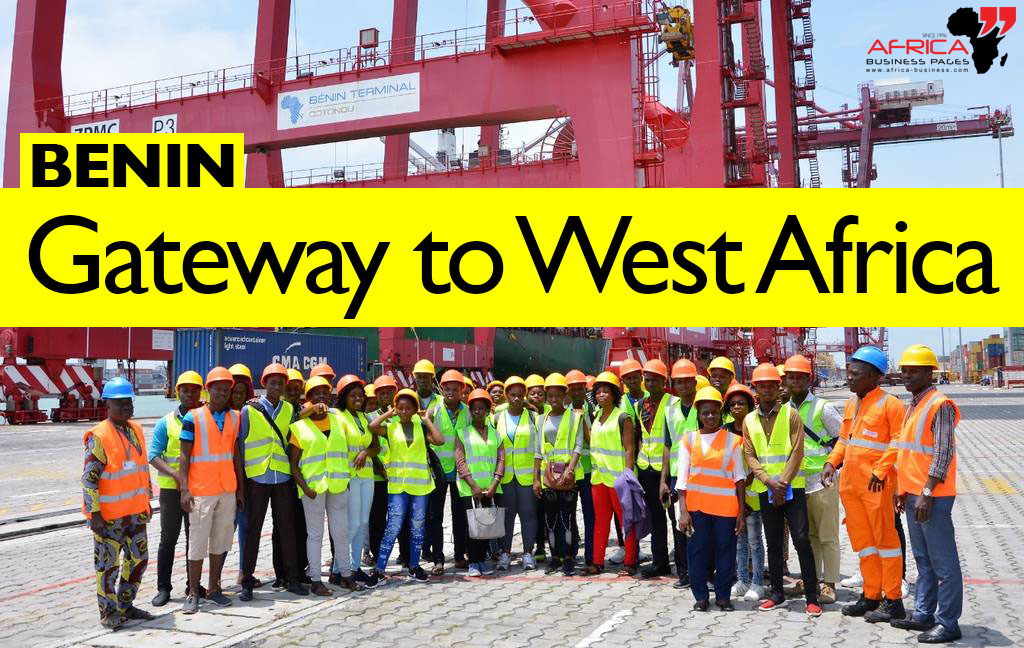
Benin has rapidly emerged as a premier logistics and transit hub for goods destined across West Africa. The country's lucrative re-export trade model involves importing goods from global markets—especially from Asia and the Middle East—and officially re-exporting them to neighboring countries, most notably Nigeria. Benin’s status as a regional distribution powerhouse dates back to the late 1960s, but today's modern trade dynamics have drastically scaled the volume of traffic. A massive influx of textiles, vehicles, electronics, and agricultural products is currently routed through the Port of Cotonou to meet the surging consumer demand in Nigeria and landlocked nations. Historically, Benin’s re-export market thrived by offering a streamlined alternative to Nigeria's complex protectionist policies and high import tariffs. Goods originating from Dubai or the Far East are consigned to import-export companies based in Cotonou. These established firms manage the banking exchanges, clear the local customs duties upon arrival, and legitimately sell the goods within Beninese territory. From Cotonou, Nigerian wholesalers utilizing parallel currency exchanges facilitate the transport of these goods to border depots, ultimately distributing them into the massive consumer markets of Lagos and beyond. This thriving trade route allows businesses to bypass bureaucratic bottlenecks in local ports. For Beninese operators, this transit trade is a highly rewarding sector that anchors the national economy. The re-export route generates tens of billions of CFA Francs in customs revenue annually, historically accounting for up to a third of total government customs receipts. Beyond direct taxes, indirect imports generate substantial downstream revenue for logistics services in Benin, including port handling, forwarding agents, warehousing, and regional banking. Top Non-Oil Imports into Benin Estimated Annual Import Value (USD) | Data: UN COMTRADE © Africa Business Pages Benin: Country On The Move Robust Growth and the Green Transition: Entering 2026, Benin is experiencing one of the strongest economic trajectories in West Africa, with real GDP growth projected to remain above 6.5% through 2027. This resilient expansion is driven by a surge in agricultural production (notably cotton and cashews), industrial output, and massive infrastructure upgrades at the Port of Cotonou. Furthermore, Benin has become a regional pioneer in sustainable finance, utilizing resources from the recent SDG Eurobond to aggressively fund its green transition, scale agroecology, and expand renewable energy projects across the country. Fiscal Prudence and Regional Integration: The government has maintained strict fiscal discipline, keeping the national deficit in line with the West African Economic and Monetary Union (WAEMU) norms. By focusing on digitalization and expanding its revenue base, Benin has steadily reduced its public debt-to-GDP ratio while navigating external trade shocks. The ongoing modernization of the Cotonou port has also fortified its position as the undisputed maritime gateway for landlocked neighbors like Burkina Faso, Niger, and Chad, who maintain dedicated logistics terminals within Benin to secure their national supply chains. The Dubai Trade Connection While Benin's economy is historically anchored by agriculture—with cotton alone accounting for roughly 40% of GDP and the vast majority of official export receipts—its appetite for manufactured imports is growing. Trade between Benin and the United Arab Emirates has expanded significantly. Dubai-based businesses view Cotonou as a critical entry point to capture the massive West African consumer market. Dubai exporters are increasingly utilizing Benin to supply automobile spare parts, tyres, batteries, textiles, heavy machinery, consumer electronics, and lubricants. The cumbersome import regulations in neighboring markets—which often require mandatory pre-shipment inspections, complex documentation, and exorbitant advanced customs duties—have solidified Cotonou's reputation as the most efficient, business-friendly port in the region. Did You Know? Cotton Kings: Benin is regularly ranked as one of the absolute largest producers and exporters of raw cotton on the entire African continent. The Landlocked Lifeline: Over 80% of the goods imported by the landlocked nation of Niger transit exclusively through Benin's Port of Cotonou. Currency Stability: Benin uses the West African CFA franc, a currency heavily monitored and pegged to the Euro, which provides exceptional exchange-rate stability for international investors.
Preliminary request for participation in the trade show
place
calendar_today
Preliminary request for visitor registration
Visitor Registration
place
calendar_today