
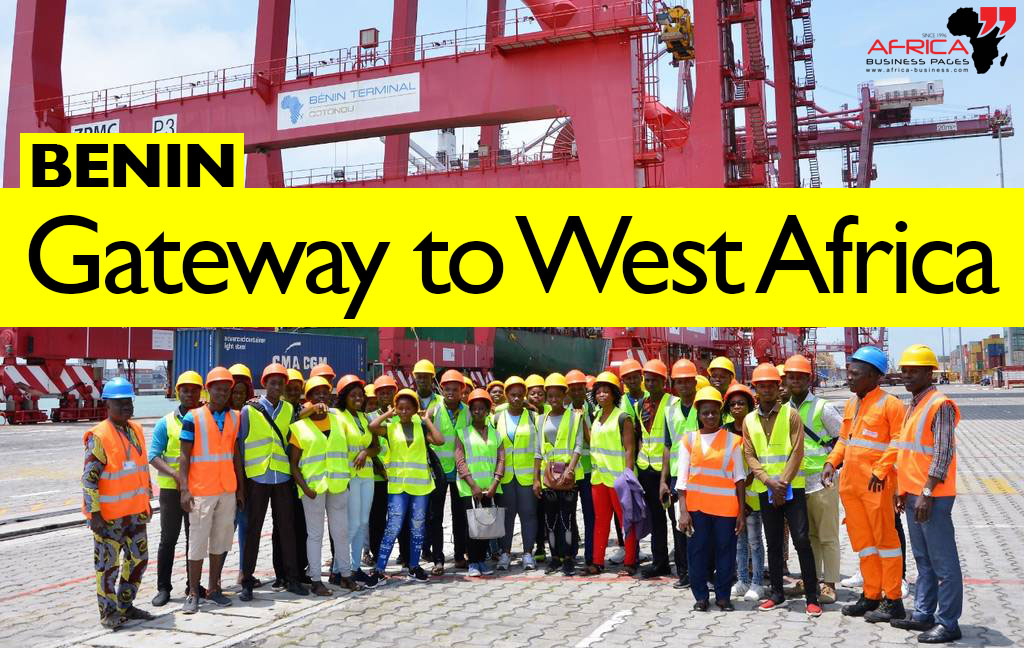
Benin has rapidly emerged as a premier logistics and transit hub for goods destined across West Africa. The country's lucrative re-export trade model involves importing goods from global markets—especially from Asia and the Middle East—and officially re-exporting them to neighboring countries, most notably Nigeria. Benin’s status as a regional distribution powerhouse dates back to the late 1960s, but today's modern trade dynamics have drastically scaled the volume of traffic. A massive influx of textiles, vehicles, electronics, and agricultural products is currently routed through the Port of Cotonou to meet the surging consumer demand in Nigeria and landlocked nations.
Historically, Benin’s re-export market thrived by offering a streamlined alternative to Nigeria's complex protectionist policies and high import tariffs. Goods originating from Dubai or the Far East are consigned to import-export companies based in Cotonou. These established firms manage the banking exchanges, clear the local customs duties upon arrival, and legitimately sell the goods within Beninese territory.
From Cotonou, Nigerian wholesalers utilizing parallel currency exchanges facilitate the transport of these goods to border depots, ultimately distributing them into the massive consumer markets of Lagos and beyond. This thriving trade route allows businesses to bypass bureaucratic bottlenecks in local ports.
For Beninese operators, this transit trade is a highly rewarding sector that anchors the national economy. The re-export route generates tens of billions of CFA Francs in customs revenue annually, historically accounting for up to a third of total government customs receipts. Beyond direct taxes, indirect imports generate substantial downstream revenue for logistics services in Benin, including port handling, forwarding agents, warehousing, and regional banking.

Top Non-Oil Imports into Benin
Benin: Country On The Move
Robust Growth and the Green Transition: Entering 2026, Benin is experiencing one of the strongest economic trajectories in West Africa, with real GDP growth projected to remain above 6.5% through 2027. This resilient expansion is driven by a surge in agricultural production (notably cotton and cashews), industrial output, and massive infrastructure upgrades at the Port of Cotonou. Furthermore, Benin has become a regional pioneer in sustainable finance, utilizing resources from the recent SDG Eurobond to aggressively fund its green transition, scale agroecology, and expand renewable energy projects across the country.
Fiscal Prudence and Regional Integration: The government has maintained strict fiscal discipline, keeping the national deficit in line with the West African Economic and Monetary Union (WAEMU) norms. By focusing on digitalization and expanding its revenue base, Benin has steadily reduced its public debt-to-GDP ratio while navigating external trade shocks. The ongoing modernization of the Cotonou port has also fortified its position as the undisputed maritime gateway for landlocked neighbors like Burkina Faso, Niger, and Chad, who maintain dedicated logistics terminals within Benin to secure their national supply chains.

The Dubai Trade Connection
While Benin's economy is historically anchored by agriculture—with cotton alone accounting for roughly 40% of GDP and the vast majority of official export receipts—its appetite for manufactured imports is growing. Trade between Benin and the United Arab Emirates has expanded significantly. Dubai-based businesses view Cotonou as a critical entry point to capture the massive West African consumer market.
Dubai exporters are increasingly utilizing Benin to supply automobile spare parts, tyres, batteries, textiles, heavy machinery, consumer electronics, and lubricants. The cumbersome import regulations in neighboring markets—which often require mandatory pre-shipment inspections, complex documentation, and exorbitant advanced customs duties—have solidified Cotonou's reputation as the most efficient, business-friendly port in the region.
Did You Know?