
Ghana has firmly established itself as a premier commercial hub and the gateway to West Africa. Recent progressive amendments to Ghana’s Investment Code have opened up a wide array of new business opportunities. The Ghana Investment Promotion Centre (GIPC) Act guarantees the freedom for foreign investors to establish and run enterprises in highly lucrative sectors such as natural gas, renewable energy projects, agro-processing, pharmaceuticals, and information technology.
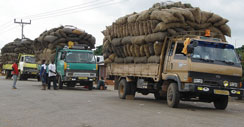
The government’s ongoing economic liberalization and public-private partnership (PPP) initiatives have modernized key sectors, notably banking, telecommunications, and state petroleum, making them highly attractive for international joint ventures.
Tourism is an especially strong area for new business projects. Key opportunities in this sector include luxury accommodation, beach resorts, eco-tourism projects, nightlife and leisure, and comprehensive tourist servicing enterprises. Bolstered by successful diaspora engagement campaigns like the "Year of Return," the tourism sector has grown exponentially, now generating well over $1.5 billion annually for the Ghanaian economy.
Latest Economic Developments
In recent years, Ghana has embarked on a comprehensive macroeconomic stabilization program, backed by a $3 billion Extended Credit Facility from the International Monetary Fund (IMF). This strategic restructuring aims to restore debt sustainability, curb inflation, and rebuild foreign exchange reserves. Moving into 2026, the economy is showing strong signs of recovery, with real GDP growth rebounding as investor confidence returns. The government's renewed focus on digitalization, tax reforms, and reducing the fiscal deficit has created a more predictable and transparent environment for foreign direct investment.
Furthermore, Accra has solidified its position as the commercial capital of the continent by hosting the permanent Secretariat of the African Continental Free Trade Area (AfCFTA). This historic development has transformed Ghana into the ultimate gateway for multinational companies looking to access a unified African market of over 1.3 billion people. Alongside traditional exports, there is a massive surge in investments targeting Ghana's tech ecosystem, agro-processing value chains, and regional logistics infrastructure, cementing its reputation as a forward-looking West African powerhouse.

Ghana Real GDP Growth
Agriculture, Mining, and Regional Trade

The country is endowed with abundant natural wealth, including vast agricultural, mining, and human resources. Along with its growing manufacturing sector, agriculture remains a vital pillar of the economy. The agrarian sector employs a significant portion of the Ghanaian workforce and makes up a substantial percentage of the country’s GDP.
Cocoa is the cornerstone of Ghana's agricultural exports, but non-traditional exports such as wood products, textiles, jewelry, pineapples, tuna fish, and cashew nuts are rapidly diversifying the export profile. The country possesses over 13.6 million hectares of arable land suitable for high-yield crops and livestock.
In addition to agricultural wealth, Ghana is immensely rich in mineral resources. Gold is the country’s primary export—regularly positioning Ghana as Africa's top gold producer—with diamonds, manganese, and bauxite also accounting for a large part of the country’s export revenue. Strategic investors from the United States, Canada, Australia, South Africa, and Britain heavily dominate the commercial mining space.
Ghana is a founding member of the Economic Community of West African States (ECOWAS), a regional bloc comprising a thriving market of hundreds of millions of people. The ECOWAS protocol on trade allows for the free movement of goods and people across the borders of its 15 member nations, greatly enhancing intra-regional commerce. Today, with the implementation of the AfCFTA, Ghana’s trading access has expanded beyond West Africa to the entire continent, offering unprecedented, tariff-free market reach for manufacturers based in the country.
The most commonly imported products into Ghana include rice, sugar, wheat, frozen poultry, and fish. On the industrial side, the leading import sectors include telecommunication equipment, computers and peripherals, automobiles, electrical power systems, construction and earthmoving equipment, and agricultural machinery.
Accra, the capital and largest city, is a bustling commercial, manufacturing, and communications center. It features an expanding international airport and is closely linked to Tema, which serves as the city’s primary deepwater port and industrial hub. Major industries in the Greater Accra region include vehicle assembly, petroleum refining, food processing, and the manufacture of textiles, plastics, and pharmaceuticals.
Did You Know?