
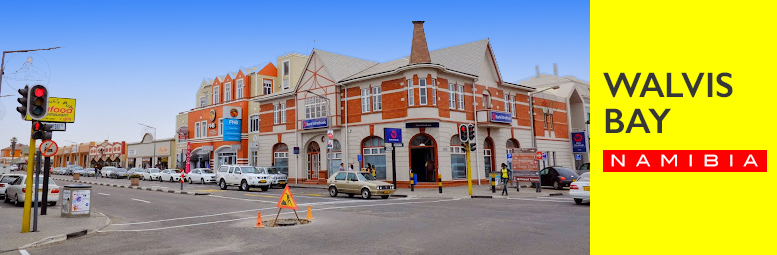
Namibia’s Port of Walvis Bay offers unparalleled advantages for international importers and exporters, acting as a highly strategic maritime interface between Southern Africa, Europe, the Americas, and the Far East. Namport’s strategic mandate is to consolidate Walvis Bay as the premier, congestion-free regional gateway serving the entire Southern African Development Community (SADC) and the expansive West African coast.
Through the highly efficient Walvis Bay Corridors, the port's infrastructure and geographic location make it the ideal conduit for SADC-bound sea freight. It provides a vastly more cost-effective and reliable alternative to traditional South African ports, which frequently operate at maximum capacity and suffer from weather-related handling delays.
In fact, the Port of Walvis Bay is universally recognized as one of Africa’s most efficient and technologically equipped maritime hubs, with the capacity to handle well over eight million tonnes of cargo annually. It is seamlessly linked to Namibia’s national air, rail, and road networks, making it perfectly placed to service landlocked countries like Zambia, Zimbabwe, and Botswana via the arteries of the Walvis Bay Corridor Group.
Latest Economic Developments
Namibia's economy is currently undergoing a historic and highly lucrative transformation, driven by multi-billion-dollar offshore oil and gas discoveries in the Orange Basin. Recent high-impact deepwater finds by global energy giants like TotalEnergies (the Venus discovery) and Galp (the Mopane complex) are rapidly advancing toward final investment decisions in 2026. These massive offshore developments are not only projected to exponentially increase the country's GDP by the end of the decade but are also attracting a surge of foreign direct investment aimed at upgrading domestic infrastructure and port logistics to support an incoming oil boom.

Concurrently, Namibia is aggressively positioning itself as a global pioneer in the green energy transition. The flagship $10 billion Hyphen green hydrogen project is making significant headway in the southern regions, while a fully operational, integrated 5 MW green hydrogen plant was successfully launched directly at the Port of Walvis Bay in late 2025. By harnessing local solar and wind power to fuel heavy-duty port equipment and produce green ammonia for export, Namibia is rapidly establishing itself as a premier, low-carbon maritime hub capable of servicing next-generation international shipping fleets.

Namibia's Top 10 Imports
Key Benefits of Walvis Bay:
Did You Know?