
Demand for FMCG in Africa
folder_open Foodstuff & Beverages
The fast-moving consumer goods (FMCG) sector, also called the consumer packaged goods (CPG) sector, is one of the largest industries worldwide. FMCGs are generally affordable products that have a short shelf life and are purchased by consumers on a regular, daily basis. Profit margins on these products are usually low for retailers, who successfully offset this by selling massive volumes. The FMCG sector in Africa has significant scope to expand as food and other daily necessities dominate consumer budgets, especially in Sub-Saharan Africa. As a result, the food sub-sector of FMCG has a vast, rapidly urbanizing market to cater for. Demand for FMCG and Foodstuff in Africa FMCG retailers generally operate in a low-margin environment; therefore, the existence of a large, concentrated consumer market is crucial to their success. Despite Africa having a population exceeding 1.4 billion as of 2025, the continent remains relatively under-served by formalized FMCG supply chains. Nigeria’s estimated population size of over 230 million roughly equals the sum of the next two most populated nations on the continent, Ethiopia and Egypt. Nigeria continues to widen this gap due to its robust demographic growth. Similarly, the Democratic Republic of Congo (DRC) has surpassed several nations in market size potential, while Tanzania, Kenya, and Uganda are moving rapidly up the retail rankings due to high population growth rates and expanding middle classes. Population density is another critical metric. FMCG retailers need a steady, high-volume flow of consumers purchasing products daily. In 2026, there are over 90 urban agglomerations in Africa with a population of one million or more, and over a dozen mega-cities boasting populations of five million or more. Cairo and Lagos remain among the top 15 largest urban agglomerations globally in 2026, with populations well exceeding 15 million and 16 million respectively, creating hyper-concentrated demand zones for foodstuff importers and FMCG distributors. The agricultural and manufacturing sectors are key for a country’s FMCG sector, as maintaining a predictable and trustworthy distribution channel is vital. This is why many foodstuff importers in Africa and retailers opt for vertical integration. The strength of local agriculture, the quality of transport infrastructure, and the scope of tariffs on imported goods are crucial issues FMCG retailers assess before market entry. Top Foodstuff Importing Countries in Africa (Est. Annual Value USD Billions) © Africa Business Pages Source: FAO, ITC TradeMap & Regional Trade Estimates, 2026 Spending Power & Consumer Shifts Since FMCG retailers sell necessities, per capita income is a less restrictive barrier than it is for luxury retailers. However, the upward trend in income levels is vital for establishing what tiers of FMCG products can be successfully marketed. Over time, retailers benefit massively from shifts in consumer spending patterns. According to recent African Development Bank (AfDB) and World Bank estimates for 2025, the African middle class continues to expand, with hundreds of millions of consumers graduating into spending brackets that allow for discretionary FMCG purchases beyond basic survival staples. Currently, food dominates African consumers’ spending, but dietary compositions are changing. While a large portion of the population remains dependent on cheap staple foods, the nutritional transition is accelerating. Consumers are steadily shifting from basic quantity increases to quality improvements—incorporating more meat, dairy, and branded packaged goods into their diets. It is highly strategic for FMCG retailers to establish a footprint early to capture loyalty as consumers move up this ‘food curve’. Informal markets and traditional trade still dominate food retail. However, this is changing as modern retail penetration deepens, shopping malls proliferate, and consumers increasingly prefer the convenience and hygiene of supermarkets. In hubs like Accra (Ghana), Nairobi (Kenya), and Lagos (Nigeria), chains like Shoprite, Melcom, Naivas, and Carrefour have established dominant anchor tenancies in major retail developments, drawing tens of thousands of shoppers weekly. Latest Economic & Retail Developments Entering 2026, the African FMCG landscape is being revolutionized by B2B digital commerce and logistics startups. Platforms such as TradeDepot, Twiga Foods, and Wasoko are digitizing the fragmented informal retail sector. By providing small kiosk owners and local merchants with mobile apps to order inventory directly from manufacturers, these tech platforms are bypassing traditional, inefficient wholesaler layers. This digital integration lowers food prices, reduces post-harvest losses, and provides multinational FMCG brands with unprecedented data analytics regarding granular consumer purchasing habits across diverse African neighborhoods. Simultaneously, the operational rollout of the African Continental Free Trade Area (AfCFTA) is fundamentally restructuring cross-border food distribution. By systematically eliminating tariffs on 90% of goods, AfCFTA is enabling large-scale agro-processing hubs in countries like South Africa, Egypt, and Morocco to export packaged foodstuffs more cheaply to landlocked and import-dependent nations. This unified market strategy is buffering the continent against global supply chain shocks and driving a surge in intra-African FMCG investments, particularly in the cold-chain logistics and processed food sectors. Africa Foodstuff Importers Directory: Database of Foodstuff Importers in Africa In a bid to help global foodstuff suppliers find verified importers, wholesalers, dealers, and agents in Africa, the African Business Pages has compiled a specialized directory. This comprehensive database lists active foodstuff importers across more than 24 African countries. The Africa Foodstuff Importers Directory is available as a digital download and plays an instrumental role in promoting direct B2B contacts between African buyers and international food and beverage suppliers. Adapted for immediate online distribution, the directory is available in Excel format as an instant download. It serves as a critical tool for export managers, agro-processors, and FMCG brands wanting to penetrate the lucrative African consumer market. You can download the directory HERE. Did you know? Africa's consumer expenditure on food and FMCG is projected to surpass $2.5 trillion by 2030, driven by the world's fastest-growing middle class. Informal retail channels (like kiosks and open-air markets) still account for roughly 70% of total FMCG sales across Sub-Saharan Africa. B2B e-commerce platforms are currently digitizing the African retail supply chain, actively connecting over 2 million informal food vendors directly to major FMCG manufacturers. Egypt and Algeria consistently rank as the top two largest importers of foodstuffs on the continent, heavily driven by their immense demand for imported wheat and grains. The African Continental Free Trade Area (AfCFTA) is expected to boost intra-African trade in agricultural products and packaged foods by over 30% by the end of the decade. Nigeria's food import bill remains one of the highest in Africa, presenting a massive, continuous opportunity for global suppliers of processed goods, dairy, and frozen proteins. Next

Many international businesses which are interested indeveloping their market in the Middle East have been lured by some attractive features offered by Dubai. The sheer size of the market in Dubai has been increasing at a steady pace. Although the United Arab Emirates has a relatively smaller population than other Middle East countries, its total imports have been registering a steady growth with the passing of each year. The impressive performance can be attributed to the fact that Dubai has emerged as the major re-export centre for the entire Middle East region. Dubai's non-oil imports have been growing by leaps and bounds since early 80's. These figures are certain to gain further momentum in the coming years as many of the economies of the region (which are being serviced by Dubai) are still at a relatively early stage of development. As a result, there is plenty of long-term scope for diversification and expansion. As a major supplier of goods to such emerging markets as India, the CIS, Central Asia and Africa, Dubai is well poised to further strengthen its status as the distribution hub of the Middle East. As one of the most active and outgoing markets in the region, Dubai has the potential to promote almost any type of goods and services. In a regional context, Dubai has been playing an important role catering to the increasing demand for foodstuff, high technology equipment and luxury products in the small but prosperous Gulf countries. In addition to inter-Gulf trade, Dubai also reaches an "outlying ring" of huge markets including East African countries, the CIS, Iran and the Indian sub-continent. Therefore, by establishing a base in Dubai, international businessmen, manufacturers and exporters of less sophisticated equipment and mass consumer products can also successfully find readily available buyers for their goods. The absence of any foreign exchange controls, quotas or trade barriers makes Dubai one the most attractive trading posts in the region. The fact that import dutiesare extremely low, and that many products are exempt, further adds to the status of Dubai as the business centre of the Middle East. As a further incentive, businessmen will be impressed by the Emirate's efficient transport and telecommunications infrastructure - an absolute must in today's fast moving corporate world. Dubai's ports, considered to be one of the best in the world, are served by more than 100 shipping lines. And the Dubai International Airport is served by over 100 airlines at present. Yet, one of the most unique features of Dubai is its ability to conduct international business with a local flavour. Foreign businessmen are often impressed by Dubai-based entrepreuners who are able to blend their local and regional expertise with a full understanding of international business practices. Unlike some other parts of the world, language has never been a restraining factor in Dubai's multi-cultural trading community. English is commonly used as the main language of business in addition to almost all major dialects of the world. Would-be investors can also avail of advisory services from foreign banks, lawyers and other advisor - including the Department of Tourism and Commerce Marketing, the Economic Department, Chamber Commerce & Industry and Jebel Ali Free Zone Authority. The various incentives offered by Dubai has already attracted manufacturers and exporters from all over the world. Therefore, any new entrants seeking success in the lucrative Dubai market must make sure that their products can compete in price, technology, design and value. Competition, as they say, breeds quality. MODERN INFRASTRUCTURE The UAE has a fairly well developed and modern infrastructure. Land transportation is by road. A concrete road network links all main cities. Authorities in Abu Dhabi and Dubai are busily engaged in widening existing roads and upgrading the Abu Dhabi-Dubai highway. There is no rail system in the UAE, nor any domestic air transportation network, despite the fact that five of the seven emirates have modern airports. All the emirates have modern seaports. The port of Jebel Ali in Dubai is the largest manmade port in the world. Goods are imported for the most part by sea and distributed by truck within the UAE and to nearby locations in neighboring GCC countries. As part of its drive to diversify its economy away from oil to regional trade, Dubai has developed two seaports and its airport to handle re-export cargo with considerable expertise and precision. Given that international shippers operating between Europe and the Far East prefer to make only one stop in the Gulf, Dubai has managed to secure the lion's share of the business of unloading, breaking down, and reloading cargo for onward shipment. Dubai's physical facilities and sheer expertise in this area make its ports the preferred stops for most shippers on these routes. Dubai aggressively seeks out new re-export markets, and it has developed trade ties with the newly independent Central Asian states of the former Soviet Union. Dubai 's cargo village at its international airport handles more air cargo than any other airport in the region, much of it coming into Dubai by sea from the Far East or the subcontinent and then going out by air to Europe. FREE TRADE ZONES There are at several free zones operating in the UAE and more are planned. Since UAE tariffs are low and are not levied against most imports, the chief attraction of the free zones is the waiver of the requirement for majority local ownership. In the free zones, foreigners may own up to 100 per cent of the equity in an enterprise. The largest and most successful of the free zones is the Jebel Ali Free Zone (JAFZ) in Dubai. Each free zone offers special incentives to attract tenants, such as no taxation for many years, subsidized energy rates, and full repatriation of capital and profits. In addition, for a nominal fee the zone authorities provide significant support services, such as sponsorship, worker housing, dining facilities, recruitment, and security. SHOPPING PARADISE Dubai offers the visitor a fascinating kaleidoscope of contrasts a distinctive blend of modern city and timeless desert, east and west, old and new. An exotic destination with a cosmopolitan lifestyle, Dubai combines the comfort and convenience of the western world with the unique charm and hospitality of Arabia. The city offers superb facilities for sport and recreation, from golf and watersports to desert safaris and dhow cruises. Or simply the opportunity to relax and enjoy year-round sunshine on clean, uncrowded beaches. Dubai is known as a shoppers' paradise. Gold, jewellery, designer clothes, cameras, electronics, oriental rugs - whatever your taste, you'll find it here. From ancient souks to luxurious shopping malls, the visitor can count on bargains galore. Dubai's culture firmly rooted in the Islamic traditions of Arabia courtesy and hospitality are among the most highly prized virtues. You are sure to be charmed by the genuine warmth and friendliness that greets the visitors. For first-time visitors, an ideal starting point is Dubai's picturesque Creek, a natural inlet from the Gulf which bisects the city into Deira and Bur Dubai. From the Creek, traditional wooden dhows set out for the ports of India, the Gulf and East Africa, just as they have for generations. On its banks, the bustle of loading and unloading makes for a fascinating sight. The windtowers of the Bastakiya district, the narrow alleys of the souks, the restored house of Sheikh Saeed in Shindagha, the Al Ahmadieh School Dubai's first educational institution and the ancient Al Fahidi Fort, now home to the recently refurbished Dubai Museum, all other a captivating taste of the cit's past. A wide range of tours and excursions are available. Among the most popular are safaris into the desert by four wheel drive, combining the excitement of dune driving with a glimpse of bedouin life, a camel farm visit and culminating, perhaps, at a moonlit Arabian barbecue. Dubai's many fine hotel restaurants offer a microcosm of the world's cuisine. The choice is limitless Gulf and Middle Eastern, India, Filipino, Thai, Chinese, Japanese, French, Italian, Mexican and much more. Outside the hotels, Dubai Offers the visitor a gastronomic adventure, with hundreds of small eating places scattered throughout the city. Fast food ranges from several big international chains to shawarma outlets, selling grilled shavings of lamb or chicken, mixed with salad and rolled inside a pocket of Arabic bread. By night, Dubai has something for everyone. Bars and pubs can be found in all top hotels, most of them featuring live music. There are a choice of discotheques and Arabic nightclubs. And Dubai is on the regular circuit for many international stars from the top scene opera, Asian music and even the London theatre. One of Dubai's greatest attractions for visitors is the superb shopping that one can do in this cosmopolitan city. Being an open port with very low import duties and no taxation, the city offers the bargain hunter unbeatable value for money. Most major brand name products are readily available, and are often less expensive in Dubai than their country or origin. Dubai is the undisputed sports capital of the Middle East, hosting world class international events that attract some of the biggest names in their respective sports, whether in golf, tennis, horse racing, rallying powerboating, rugby or sailing. Apart from spectator sports, visitors to Dubai can actively participate in a wide variety of land and watersports that include golf, bowling, iceskating, archery, horse riding, scuba diving, snorkelling, sailing, water-sking, jet-sking, deep sea fishing and windsurfing. Facilities are excellent, the weather is perfect during the winter months and equipment can be hired at reasonable rates.

Multinational corporations are often the frontrunners in emerging African markets. They possess extensive experience, substantially higher risk appetites, dedicated deployment teams, and seemingly endless capital resources. Beyond the traditional oil and gas sectors, several large US and European corporations have been embedded in Africa for decades. It is no surprise that global heavyweights like Coca-Cola have been operating in Africa since the 1930s, while in more recent years, tech and retail titans like Microsoft, Amazon, and Walmart have aggressively expanded their continental footprint. However, in today’s highly globalized and digitally connected economy, expansion into these emerging markets is no longer the sole domain of the largest global players. Rapid, sustained growth is occurring across many African countries in a diverse range of sectors, generating highly lucrative opportunities for mid-sized companies as well. The strategic window to access this massive and growing consumer base is now, while there remains significant latent demand and relatively limited competition in specialized niches. Though international suppliers observe a large overall market with excellent vectors for growth and investment, strategically minded firms must constantly analyze how the business environment is evolving and where future demand will originate. Despite perceived risks, tapping into African markets provides vital new revenue streams that support long-term growth and geographic diversification, effectively mitigating the impact of economic downturns in mature Western markets. Top 7 Growth Industries in Africa (Est. 2026 CAGR %) © Africa Business Pages Source: Regional Economic Outlook & Industry Investment Estimates, 2026 The consumer market in Africa is rapidly growing, actively diversifying, and increasingly capable of supporting a broad spectrum of market participants. African nations offer immediate access to burgeoning economies characterized by rapidly expanding urban middle classes. The populations in these countries have diverse, increasingly sophisticated needs. Moving away from purely extractive sectors, most nations are heavily developing industries ranging from domestic consumer packaged goods (FMCG), light manufacturing, and smart transportation, to advanced financial services, telecommunications, and biotechnology. As African markets continue to diversify and structured capital flows in from multiple global channels, a broader range of industries presents unprecedented options for expansion. Middle-market companies can leverage their specialized expertise to become preferred providers, joint-venture partners, or lead investors. In emerging sectors, a mid-sized foreign firm may frequently find itself as the premier supplier of a particular product or service, enjoying significant first-mover advantages in tapping the best local partners and negotiating exclusive government or B2B contracts. However, highly favorable incentive programs designed to attract foreign firms to Africa won’t last forever. African countries are fiercely competing with one another for foreign direct investment (FDI) and trade dominance. Tailored incentives—such as zero-tax grace periods for export-oriented manufacturing within Special Economic Zones (SEZs), massive deductions for localized R&D, and guaranteed free repatriation of capital—are currently attracting immense foreign interest. Furthermore, through various development agencies, the US and European governments have deployed comprehensive risk-sharing programs specifically designed to assist domestic mid-sized companies in exporting to and investing in Africa. Recently, finance and trade ministers from nations including Chad, Mozambique, Uganda, and Djibouti have publicly called for an accelerated increase in private investment, backing these calls with aggressive legislative reforms to facilitate private sector development. Ahmed Osman Ali, Governor of the Central Bank of Djibouti, summarized the continent's modernization strategy: "We actively facilitate FDI by working on legislation, robust guarantees, and absolute transparency. This groundwork is bearing tremendous fruit as we secure massive investments in telecommunications, transportation, and the modernization of our critical port infrastructure." Latest Economic Developments (2025/2026) In 2026, the African economic landscape is being dramatically reshaped by the rapid operationalization of the African Continental Free Trade Area (AfCFTA) and a massive influx of foreign direct investment (FDI) into non-extractive sectors. Governments across the continent are aggressively prioritizing economic diversification, moving away from a historical reliance on raw commodity exports. Instead, substantial capital is flowing directly into technology hubs, green manufacturing, and specialized industrial parks. This structural shift is allowing mid-sized international firms to establish regional supply chains and manufacturing bases in strategic gateway countries like Kenya, Morocco, and Côte d'Ivoire, granting them tariff-free access to a unified continental market. Furthermore, digital innovation and the transition to renewable energy have emerged as the premier catalysts for continental growth. African tech startups—particularly in the Fintech, logistics, and Healthtech sectors—have secured record-breaking venture capital funding, fundamentally altering how core services are delivered to a rapidly urbanizing population of over 1.4 billion. Simultaneously, massive public-private partnerships are driving the deployment of solar, wind, and green hydrogen mega-projects, actively solving historical power deficits and creating highly lucrative entry points for specialized foreign contractors and clean-energy investors. Did you know? Fintech remains the fastest-growing sector in Africa, with annual revenue growth rates for top digital payment and lending startups frequently exceeding 150% in 2026. The continent's transition to renewable energy is driving massive FDI, anchored by operational mega-solar and green hydrogen projects in North and Southern Africa. The implementation of the African Continental Free Trade Area (AfCFTA) is actively projected to boost intra-African trade and manufacturing volume by up to 40% by 2030. Agribusiness is the continent's largest economic pillar, accounting for well over $100 billion in annual revenue and employing roughly 60% of the active population. With over 500 million active subscribers, advanced telecommunications and mobile broadband networks are the absolute primary drivers of digital and financial inclusion across Sub-Saharan Africa. Africa's healthcare and pharmaceutical manufacturing sectors are attracting unprecedented private equity, with regional healthcare demands expected to command $1 trillion in investments by 2040.
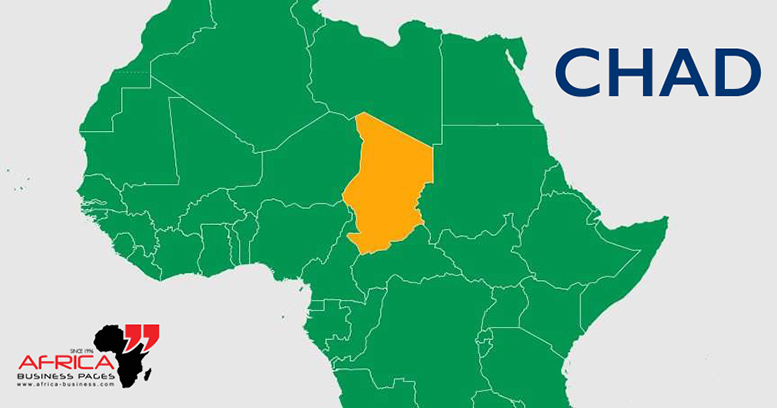
Chad’s economy has undergone a significant transformation since it officially became an oil-producing nation over two decades ago. The operational success of the Chad-Cameroon pipeline cemented crude oil as the country’s primary foreign currency earner, fundamentally shifting its commercial landscape. Today, the government continues to refine its revenue management frameworks to shield the economy from global oil price volatility and promote sustainable, long-term investments. While energy dominates exports, cotton, gum arabic, and livestock remain the vital lifeblood of the rural economy. Agriculture accounts for roughly 38 per cent of the country’s total gross domestic product (GDP) and employs the vast majority of the population. Backed by these foundational sectors, Chad continues to attract targeted foreign direct investment, particularly in energy exploration, telecommunications, and regional infrastructure projects aimed at improving cross-border trade. Although Chad has largely achieved self-sufficiency in many basic food requirements, processed foodstuffs and manufactured goods still constitute a large portion of the country’s imports. Other major import products include industrial machinery, construction materials, and transportation equipment. Because Chad currently lacks domestic refining capacity to meet all its needs, it still imports refined petroleum products, though strategic investments are underway to address this gap and localize fuel production. Due to its distance from the sea and its largely desert climate, the country is sometimes referred to as the "Dead Heart of Africa." Chad is divided into three major geographical regions: a desert zone in the north, an arid Sahelian belt in the centre, and a more fertile Sudanese savanna zone in the south. Lake Chad, after which the country is named, remains one of the most critical wetlands and fresh water sources in the region. Latest Economic Developments Following a recent period of political transition, Chad’s macroeconomic outlook is stabilizing, supported by a renewed Extended Credit Facility (ECF) arrangement with the International Monetary Fund (IMF). This partnership is designed to bolster economic recovery, manage public debt, and increase social spending. As of 2025 and moving into 2026, real GDP growth is projected to steady around the 3.5% mark. The government is making a concerted push toward economic diversification, aiming to reduce the economy's heavy reliance on crude oil exports by commercializing its vast, untapped agricultural and pastoral potential. A major focus of recent economic policy has been the modernization of infrastructure and the adoption of renewable energy. Recognizing the high cost of imported fuels, Chad has begun heavily courting foreign investment in solar energy projects to electrify both urban centers and off-grid rural communities. Simultaneously, there is a renewed push to modernize the livestock sector—which accounts for a massive portion of non-oil GDP—by developing local meat processing and dairy facilities, thereby allowing Chad to export higher-value finished products rather than just live animals to neighboring markets like Nigeria and Cameroon. Industry Sectors in Chad The oil sector remains the primary engine of Chad's formal economy. The Doba Oil Basin is the historical centre of oil production, but ongoing exploration in the Lake Chad and Bongor basins has opened new frontiers for multinational energy companies. Chad’s economic future relies heavily upon balancing the exploitation of these energy resources with the development of its non-oil sectors. Chad Real GDP Growth Data Source: IMF World Economic Outlook | © Africa Business Pages The monumental Chad-Cameroon pipeline, built at an original cost of $3.5 billion, transports crude oil from the landlocked fields in Chad directly to the marine terminal at Kribi in Cameroon. This vital artery provides Chad with access to global maritime energy markets. Beyond oil, the solid mining sector in Chad is highly prospective. Large geological areas have been identified as holding potential for gold, bauxite, uranium, silver, and alluvial diamonds. As the government modernizes its mining code, many investment opportunities are arising. Privatization and public-private partnerships are also increasingly taking shape in the telecommunications and agribusiness sectors, offering lucrative entry points for foreign firms participating in the tender process. Did You Know? The Towering Kakaki: Chad is famous for the Kakaki, a traditional, incredibly long metal trumpet (often up to four meters) that is played exclusively by men during royal ceremonies. A Cultural Melting Pot: The country is incredibly diverse, home to over 200 distinct ethnic and linguistic groups, with Arabic and French serving as the official languages. A Conservation Success: Chad’s Zakouma National Park is heralded as one of Africa's greatest conservation success stories, bringing the local elephant population back from the brink of poaching-induced extinction. The Shrinking Lake: Lake Chad was once one of the largest freshwater lakes in the world. Due to climate change and agricultural demands, it has shrunk by more than 90% since the 1960s, though it remains a vital economic lifeline. A Land of Camels: The Toubou nomadic people of northern Chad are renowned across the Sahara as master camel herders, expertly navigating the harsh, arid conditions of the Tibesti Mountains.

With a rising world population and the imminent danger of global food shortages in the coming decades, Africa is well poised to become the global breadbasket and a major supplier of sustainable food. Africa undoubtedly holds large chunks of open, arable land that are increasingly being viewed as the primary source of future food supplies for the rapidly expanding global population. Over the past several years, private investors and foreign governments have acquired or leased thousands of acres of farmland across Africa in a strategic bid to protect their domestic populations against future food insecurity. Saudi Arabian investors have leased massive tracts of farmland in Ethiopia. China has invested hundreds of millions of dollars in rice production in Mozambique. Jordan has leased many hectares of land in Sudan for rearing livestock and growing crops, while South Korea has actively developed farmland in Tanzania, dedicating vast acreage to raising grains and producing processed foods such as cooking oil and starch. India, too, has heavily joined the bandwagon. Over 80 Indian companies have invested billions of dollars in buying or leasing huge plantations in Ethiopia, Kenya, Madagascar, Senegal, and Mozambique to grow food grains and other cash crops specifically for the booming Indian consumer market. Africa currently holds approximately 60 percent of the world’s uncultivated, arable cropland. Unlocking this immense agricultural potential is projected to create millions of new jobs by 2030. Transformative initiatives like the African Green Revolution Forum (AGRF) have continually pledged to devise concrete plans to revolutionize Africa’s agricultural sector—which provides livelihoods to nearly 70 percent of the continent’s population—by actively involving the private sector in crop production and supporting Africa’s critical smallholder farmers. Foreign Direct Investment in African Agriculture (2023 - 2030) Data Source: Industry Estimates & Market Projections | © Africa Business Pages The African Advantage: Why Invest in Land? What drives this intense global interest in acquiring African land? The primary catalyst is the persistent volatility and soaring costs of global foodstuffs, particularly grains and edible oils. During global supply chain shocks, several food-exporting countries often impose sudden export bans to prevent domestic inflation and unrest. These bans immediately remove massive amounts of staples from the global market, severely damaging the business models of agri-commodity traders and worsening food insecurity for import-reliant nations. Developing nations also face compounding factors such as severe topsoil loss, extreme water shortages, and new crop diseases brought on by accelerated climate change. To avoid the high costs, supply shortages, and general volatility that plague global food imports, foreign governments and their proxy agri-businesses are bypassing world markets entirely. Instead, they are seeking land overseas to directly control their agricultural supply chains, intending to either ship the harvested crops back home or process and re-export them to other lucrative markets. Furthermore, the cost of agricultural production in Africa is significantly lower than in regions like India or Europe. There is often less need for heavy synthetic fertilizers, labor is highly competitive, and overall crop output potential remains massively untapped. African governments have also historically offered incredible incentives, including the ability to lease massive tracts of arable land for up to 99 years at nominal rates, alongside full tax exemptions and profit repatriation guarantees. Interactive Map: Global FDI in African Farmland Explore the massive scale of international agricultural investments across the continent. Select an investing nation and use the timeline slider to track land acquisitions. The Latest Developments: Moving Beyond "Land Grabs" As of 2025 and moving into 2026, the nature of foreign agricultural investment in Africa has undergone a massive paradigm shift. The era of simply leasing vast tracts of land to export raw commodities is ending. Today, the focus has shifted heavily toward agro-processing and value addition. Foreign direct investment (FDI) is increasingly being channeled into climate-smart agriculture (Agritech), drought-resistant seed development, and the construction of massive cold-chain logistics infrastructure. Rather than exporting raw produce, multinational investors are building local processing plants for cocoa, cashew nuts, and oil palm to reduce post-harvest losses, add significant market value, and create sustainable local employment before exporting the finished goods. Simultaneously, the global consensus on land governance has matured. To protect local communities from the negative impacts of historical "land grabbing," modern international development frameworks are heavily promoting inclusive business principles. Foreign investors are now increasingly engaging in direct, formalized contracting with customary landowners. These modern agreements focus on formalizing local land rights, ensuring fair compensation, and establishing equitable public-private partnerships that integrate smallholder farmers into advanced, tech-driven global supply chains rather than displacing them. Did You Know? The Trillion Dollar Market: According to the African Development Bank, the African agribusiness and food market is projected to skyrocket from roughly $280 billion in 2023 to $1 Trillion by 2030. Untapped Potential: The African continent is currently home to more than 60% of the entire world's uncultivated, arable land. The Agritech Boom: In 2026, foreign direct investment is heavily pivoting away from raw land leases and pouring into Agritech startups, mobile farmer training, and climate-smart irrigation systems. Solving Post-Harvest Loss: Massive new investments are currently targeting cold-chain logistics and refrigerated infrastructure in Africa to drastically reduce the millions of tons of produce lost to spoilage each year. A Shift in Land Governance: Modern global investment norms now strongly emphasize formalizing customary land rights for local communities to ensure inclusive, sustainable business practices rather than displacement. Watch: South Africa's Agricultural Export Milestones Deep dive into the recent export figures pushing this agricultural surge forward and see how strategic investments are transforming the sector's global competitiveness.
Demand for FMCG in Africa
folder_open Foodstuff & Beverages
The African retail landscape has experienced significant restructuring over the last decade. Historically, South Africa’s retailers, spurred by slowing domestic growth, spearheaded expansion into Sub-Saharan Africa. However, the market dynamics in 2025 and 2026 have shifted. While pioneers like Shoprite originally led the charge, recent years have seen strategic realignments, with many South African giants consolidating their focus on the SADC region. Conversely, international mega-retailers—most notably French retailer Carrefour (operated regionally by Majid Al Futtaim)—have aggressively captured market share across East and North Africa. Informal outlets, such as open-air markets and independent kiosks, continue to dominate food retail in most African countries. While this fragmentation poses logistical obstacles, it has also birthed a booming B2B digital commerce sector, with tech platforms actively digitizing these informal supply chains. That consumers are starting to favour the convenience, hygiene, and product variety offered by formalized supermarkets and modern shopping centres is not in doubt. However, the supply of prime retail space remains thin, and bureaucratic hurdles persist. Another crucial concern for new entrants is navigating complex distribution channels and the fluctuating costs of importing products amid global currency volatilities. Kenya Market for Food Kenya’s food retail sector is highly developed within the African context. Unlike a decade ago when local players exclusively dominated the scene, foreign retailers have now successfully broken into the market. Carrefour has established a massive footprint, operating numerous hypermarkets and supermarkets, effectively competing alongside dominant homegrown chains like Naivas and Quickmart. These leading Kenyan retailers are continuously increasing the range of their product offerings—particularly in fresh produce, private-label FMCG goods, and ready-to-eat meals—in order to build market share. They are also leveraging Nairobi's position as an economic hub to expand further into the broader East African region, including Rwanda and Tanzania. Top Foodstuff & FMCG Items Imported into Africa (Est. Annual Value USD Billions) © Africa Business Pages Source: FAO & Regional Trade Flow Estimates, 2026 Nigeria Market for Food The Nigerian retail scene remains heavily reliant on informal trade, although modern retail penetration is accelerating with the entry of localized supermarkets and a surge in neighborhood shopping centres. The major traditional foodstuffs consumed by the majority of the population are predominantly unprocessed and semi-processed items (including maize, sorghum, tubers, and fish). However, ongoing shifts regarding urbanization, changing lifestyles, and the preferences of a massive youth demographic are resulting in increased demand for a wider range of packaged and processed FMCG products. The supermarket landscape in Nigeria has evolved significantly. While historically dependent on foreign direct investment, the market is now driven by robust domestic operations. For instance, the Shoprite brand remains highly visible but is now fully operated by local investors (Retail Supermarkets Nigeria Limited). Similarly, the Artee Group continues to drive the expansion of Spar stores across major cities. Following the exit of some historical South African operators like Massmart, nimble local chains such as Prince Ebeano Supermarket and Market Square have rapidly filled the void with localized product mixes and smaller, more accessible store formats. Furthermore, E-commerce and quick-commerce have taken off sharply in Nigeria. Platforms like Jumia, Glovo, and Chowdeck have revolutionized food and grocery delivery in Lagos and Abuja. These services appeal to the urban middle class by saving consumers time navigating heavy traffic and circumventing the limitations of physical formal retail outlets. Africa Foodstuff Importers Directory: Database of Foodstuff Importers in Africa In a bid to help global foodstuff suppliers find verified importers, wholesalers, dealers, and agents in Africa, the African Business Pages has compiled a specialized directory. This comprehensive database lists active foodstuff importers across more than 24 African countries. The Africa Foodstuff Importers Directory is available as a digital download and has played an instrumental role in promoting direct B2B contacts between African foodstuff importers and international suppliers. Adapted for immediate online distribution, the directory is available in Excel format as an instant digital download. It serves as an essential tool for export managers wanting to safely navigate the African FMCG market. You can download the directory HERE. Personal Care Products This segment includes shampoo, toothpaste, soap, deodorants, skincare, and make-up. The sub-sector boasts phenomenal potential for expansion across the continent. Apart from standard drivers like a favourable demographic profile and urbanization, an added catalyst is the willingness of African consumers to spend a proportionately large share of their discretionary income on premium beauty and grooming products—a trend observed across both male and female demographics. This is partially driven by the aggressive entry of popular international brand names, alongside a sharp uptake in social media penetration via mobile telephony, which has vastly increased exposure to global beauty trends and influencer-driven marketing. Kenya: Market for Personal Care Products Unilever remains a market leader in Kenya's personal care industry. Having been present in the country for decades, it boasts an incredibly robust, multi-tiered distribution network. Brand loyalty is deeply entrenched through localized marketing campaigns and the provision of quality products at affordable price points. They are joined by global giants like L'Oréal and Estée Lauder, as well as highly competitive local brands that cater specifically to African skin and hair types. As consumers’ disposable incomes rise, market behavior dictates they first make a "quantity shift" (e.g., purchasing basic toothpaste more frequently), before graduating to a "quality and variety shift" (e.g., purchasing premium whitening brands, mouthwash, and dental floss). According to industry experts like Dr. Andrew Wetende of the Kenya Dental Association, historically only a fraction of Kenyans had access to quality dental care. Dr. Wetende has advocated for "Kenyans to take up brushing their teeth as a habit and stop considering it as a luxury." This paradigm shift is actively materializing. As incomes rise, the proportion of household budgets dedicated strictly to food declines, freeing up capital that drives the strong growth expected in the oral and personal care sectors. The main sources of Kenya’s oral care and cosmetics imports are India, Thailand, South Africa, and China, while Kenya itself acts as a distribution hub, re-exporting to Uganda, Ethiopia, Somalia, Rwanda, and Tanzania. Notably, regional governments periodically adjust import duties on packaged cosmetics and plastics to protect domestic manufacturers and stimulate local manufacturing bases. Africa's Foodstuff Market The implementation of the African Continental Free Trade Area (AfCFTA) has begun to fundamentally alter the FMCG and foodstuff supply chain across the continent. By reducing intra-African tariffs and harmonizing cross-border customs procedures, regional manufacturing hubs—such as Kenya for East Africa, and Egypt for North Africa—are seeing a surge in exports to neighboring, landlocked nations. This is encouraging multinational FMCG brands to shift from importing finished goods from Europe and Asia to establishing massive local agro-processing and packaging facilities directly on the continent, significantly reducing lead times and logistics costs. Simultaneously, severe foreign exchange shortages in key markets like Nigeria and Egypt during recent years have catalyzed a "localization" trend. To mitigate exposure to volatile dollar-denominated imports, major retail chains and foodstuff distributors have aggressively pivoted to sourcing locally produced staples, dairy, and consumer goods. This forced pivot has stimulated massive private equity investment into African agritech and light manufacturing, aiming to secure food sovereignty and build resilient, localized supply chains capable of meeting the demands of a population projected to reach 2.5 billion by 2050. Did you know? By 2026, over 40% of all FMCG sales in urban African hubs like Nairobi and Lagos are influenced by digital marketing and mobile-first e-commerce platforms. Africa imports over $45 billion worth of food annually, with wheat, rice, and palm oil constituting the vast majority of the continent's agricultural import bill. The African cosmetics and personal care market is growing at a compound annual growth rate (CAGR) of over 8%, significantly outpacing global averages. To circumvent logistics issues, leading FMCG brands are increasingly partnering with African B2B digital platforms like Wasoko and TradeDepot to supply millions of informal kiosks directly. Nigeria's retail sector accounts for nearly a fifth of the country's GDP, making it one of the most critical non-oil sectors for national economic stability. Under the AfCFTA, the elimination of tariffs on 90% of goods is projected to boost intra-African trade of processed foods and FMCG products by over 30% by 2030.
Preliminary request for participation in the trade show
place
calendar_today
Preliminary request for visitor registration
Visitor Registration
place
calendar_today