

Uganda - The Business Hub of East Africa
folder_open East Africa
Businessmen in the United Arab Emirates have been keeping a keen eye on Uganda's economic performance as the country continues to develop into a rapidly emerging market for consumer and capital goods from the Middle East. As the next century approaches there is a mood of optimism and a belief that Uganda will once again emerge as the 'Pearl of Africa' - the name given to it by the late Sir Winston Churchill in 1908. Traders and business people in the United Arab Emirates realise the great potential the country holds as an up-and-coming market and are now beginning to penetrate the Ugandan market in a big way. A large contingent of UAE companies will be participating in the forthcoming Uganda International Trade Fair which is being organised in Kampala. This trade fair is sure to provide a further boost in UAE-Uganda trade ties as it will provide UAE-based companies an opportunity to sell directly into the Ugandan market instead of routing their merchandise through Kenya. Dubai's re-exports to Uganda have more than doubled in the last 5 years due to increased trade between the two countries. As more and more Ugandans realise the benefits and convenience of doing business with Dubai, these figures are sure to rise in the coming years. Already Dubai has emerged as a favourite shopping destination for the people of Uganda. "The availability of quality goods at competitive prices is attracting a growing number of Ugandans to Dubai," says Zaake Wanume Kibedi, Ambassador of Uganda to the United Arab Emirates. Uganda's economic performance in the last few years has generated a lot of interest in business circles around the world. Economists believe that the country has an economy with great potential as it is endowed with significant natural resources, including amply fertile land, regular rainfall, rich mineral deposits and a skilled labour force. Little wonder then that economic forecasts for Uganda predict that the country is now poised for rapid economic growth and development. Uganda: The New Business Destination in East Africa The Ugandan economy has been registering an unprecedented aveareg GDP growth rate of over 5 per cent in the last 5 years, making it one of the fastest growing economies in East Africa. Inflation, which had been rising at an alarming pace in the early 80's has also dropped drastically to less than 30%. Add to this the political stability and liberal economic policies of the current government and you’ll know why Uganda has suddenly become the centre of attraction in the East African region. Political stability has been the cornerstone of economic success in Uganda. Since President Museveni came to power in 1986 there has been peace in most parts of the country. Recent presidential elections have further boosted the country’s image and provided a platform for further economic development. In the last 10 years Uganda has made an impressive recovery from its turbulent past. Today, the country's economy is on the upswing following the implementation of a structural adjustment programme recommended by the International Monetary Fund (IMF): in the last year the economy grew by over seven per cent. Though the economy is still based on agriculture, with coffee accounting for up to 80 per cent of export earnings, yet the manufacturing sector has also gained in prominence. New industries have recently been set up for processing of vanilla, fish fillets and roses for export. Although Uganda’s major export markets are Europe and the USA, the Middle East is fast emerging as a big market for Uganda. Uganda’s exports to the Middle East constitute cotton, tea, tobacco hides, skins, vegetables, fruits, and fish. Uganda's relations to the Arab world go back to the 1830s when Arab traders moved inland from their enclaves along the Indian Ocean coast of East Africa and reached the interior of Uganda. Since then, Uganda has had cordial relations with the Arab world. As member of the Organisation of Islamic Countries (OIC), Uganda is considered as an ally and friend by all Arab countries. Tourism, which used to be Uganda's fourth largest source of foreign exchange until the troubles of the 1970s, is another area of potential growth in UAE-Uganda relations. Uganda is home to about two-thirds of the rare mountain gorillas which still live in the wild. This and other opportunities to view primates such as man's closest relative, the chimpanzee, are attracting a growing number of visitors from all over the world. A concerted international marketing campaign by the Uganda Tourist Board (UTB) will go a long way in luring more visitors from the region. Till now, the private sector has taken the initiative to promote Uganda's tourist attractions abroad. Business in Uganda Today, Uganda is passing through a transitional phase in its economic evolution. Until 1972, Asians, who constituted the largest non-indigenous ethnic group in Uganda, were the main players in the financial markets of the country. In that year, the Idi Amin regime expelled 50,000 Asians, who had been engaged in trade, industry, and various professions. In the years since Amin’s overthrow in 1979, the country began a programme of economic recovery that received considerable foreign assistance. Uganda today is a country at peace. It boasts the fastest-growing economy in East Africa, and is working to better the lives of it's people by moving towards a representative government and laying the groundwork to establish a viable commercial market. Foreign investments has flowed into the country. The inflation rate has dropped to under 10 per cent from a high of 250 per cent in 1987. Reform programs have slashed government employment by half, and reduced ministries by a third and the armed forces by 30 per cent. As the relationship between the international business community and Uganda develops in scope and stature, plenty of opportunities are becoming available to Ugandan exporters as well as foreign investors, entrepreneurs and holiday travellers. Given such a positive climate, the joint efforts of the Ugandan government and private sector organisations to create an ever-greater economic bond are also expected to gain momentum in the coming years. Kampala CITY ON THE MOVE Kampala, the capital city of Uganda is spread over ten hills and derives its name from Kasozi k'empala, "the hill of antelopes". The origins of the city go back to 1891 when the Kabaka (king) of Buganda had his court on Mengo hill. It grew to municipal status in 1950 and became a city in 1962. Today, as you stand on the hills, the city provides magnificent ever green view gently disrupted by red-tiled villas, green iron-roofed bungalows, as well as taller modern city profiles that give way to attractive views of the surrounding countryside and nearby Lake Victoria. The city has retained its traditional charm, and remains the greenest in Africa. Kampala is the heart of Uganda, the center of commercial life the seat of the government. It is a vibrant modern metropolis adorned with gardens and parks providing colourful oases for its citizens and vistors alike. Hotel facilities with state-of-the-art conference facilities, to offer accommodation for the more budget-minded. The broad range of cultures in Uganda is also reflected in the wide choice of restaurants in the city, all featuring the wonderful produce of the country’s fertile countryside and fish-filled lakes. The Serena Hotel, one of the most reputed hotels in Kampala is recommended for a comfortable and pleasant stay in Uganda. The hotel combines African surroundings and aura with modern amenities and world-class facilities to provide a unique African experience. Sheraton Kampala is another good hotel for those looking for world-class amenities. Our recommendations - Well, Serena Hotel... undoubtedly! Business Advise HOW TO PROMOTE YOUR PRODUCTS IN UGANDA There are a few easy ways to make your presence felt in the markets of Uganda and neighbouring countries like Kenya, Tanzania, Burundi, Rwanda and of course the huge market of the Democatic Republic of Congo (formerly known as Zaire). The first and foremost, and by far the most effective, is to establish direct contacts with your business counterparts in these regions by haveing a Paid Company Listing on renowned B2B African portals like the Africa Busisness Pages. A listing under your relavant business category can yield a good number of business leads for your company and help you find potential buyers in the African markets. Digital Marketing in Africa You can also subscribe to the dedicated Lead Generation Service offered by Africa Business Pages which guarantees you a decent number of business inquiries from African buyers everyday. By backing its huge database of companies in Africa with some unique and effective digital marketing techniques, the African Business Pages has been generating business leads from Africa for over 25 years. The growing use and influence of the Internet can also be harnessed to promote your business in the African markets. Uganda today is a country at peace. It boasts the fastest-growing economy in East Africa, and is working to better the lives of it's people by moving towards a representative government and laying the groundwork to establish a viable commercial market. Foreign investments has flowed into the country. The inflation rate has dropped to under 10 per cent from a high of 250 per cent in 1987. Reform programs have slashed government employment by half, and reduced ministries by a third and the armed forces by 30 per cent. As the relationship between the international business community and Uganda develops in scope and stature, plenty of opportunities are becoming available to Ugandan exporters as well as foreign investors, entrepreneurs and holiday travellers. Given such a positive climate, the joint efforts of the Ugandan government and private sector organisations to create an ever-greater economic bond are also expected to gain momentum in the coming years. Kampala CITY ON THE MOVE Kampala, the capital city of Uganda is spread over ten hills and derives its name from Kasozi k'empala, "the hill of antelopes". The origins of the city go back to 1891 when the Kabaka (king) of Buganda had his court on Mengo hill. It grew to municipal status in 1950 and became a city in 1962. Today, as you stand on the hills, the city provides magnificent ever green view gently disrupted by red-tiled villas, green iron-roofed bungalows, as well as taller modern city profiles that give way to attractive views of the surrounding countryside and nearby Lake Victoria. The city has retained its traditional charm, and remains the greenest in Africa. Kampala is the heart of Uganda, the center of commercial life the seat of the government. It is a vibrant modern metropolis adorned with gardens and parks providing colourful oases for its citizens and vistors alike. Hotel facilities with state-of-the-art conference facilities, to offer accommodation for the more budget-minded. The broad range of cultures in Uganda is also reflected in the wide choice of restaurants in the city, all featuring the wonderful produce of the country’s fertile countryside and fish-filled lakes. The Serena Hotel, one of the most reputed hotels in Kampala is recommended for a comfortable and pleasant stay in Uganda. The hotel combines African surroundings and aura with modern amenities and world-class facilities to provide a unique African experience. Sheraton Kampala is another good hotel for those looking for world-class amenities. Our recommendations - Well, Serena Hotel... undoubtedly! Business Advise HOW TO PROMOTE YOUR PRODUCTS IN UGANDA There are a few easy ways to make your presence felt in the markets of Uganda and neighbouring countries like Kenya, Tanzania, Burundi, Rwanda and of course the huge market of the Democatic Republic of Congo (formerly known as Zaire). The first and foremost, and by far the most effective, is to establish direct contacts with your business counterparts in these regions by haveing a Paid Company Listing on renowned B2B African portals like the Africa Busisness Pages. A listing under your relavant business category can yield a good number of business leads for your company and help you find potential buyers in the African markets. Digital Marketing in Africa You can also subscribe to the dedicated Lead Generation Service offered by Africa Business Pages which guarantees you a decent number of business inquiries from African buyers everyday. By backing its huge database of companies in Africa with some unique and effective digital marketing techniques, the African Business Pages has been generating business leads from Africa for over 25 years. The growing use and influence of the Internet can also be harnessed to promote your business in the African markets. Uganda Business Directory In an effort to connect international suppliers with potential busines partners and importers in Uganda, the Africa Business Pages has compiled a special Uganda Business Directory which lists all major companies and importers in Uganda. This unique database lists importers of in all major cities like Kampala and Entebbe and has served as a ready-reference guide for those looking to export to Uganda. The Uganda Business Directory is now available as an instant download in Excel format. (Download link available HERE). The directory promotes direct B2B contacts between international suppliers and Ugandan importers, traders, wholesalers and distributors. Related Articles

Kenya, Uganda and Sudan: Business Links
folder_open East Africa
A new modern Standard Gauge Railway (SGR) network linking Uganda, Kenya, and South Sudan is set to radically transform trade and logistics amongst East African nations. The proposed mega-infrastructure rail link, forming part of the broader Northern Corridor Integration Projects, is aimed at drastically boosting trade ties in the Eastern African region. This railway link will be the first-ever stable, high-capacity link between landlocked South Sudan and its coastal neighbors, easing the delivery of essential services and heavy cargo across the vast region. The expanding rail network is designed to establish a seamless transit corridor from the Indian Ocean to the African hinterland. Strategically, it enables South Sudan to export its oil and agricultural products more efficiently through interconnected pipelines and railways leading to the Port of Mombasa and the new Lamu Port (LAPSSET corridor). From these maritime hubs, goods can be rapidly distributed to Rwanda, the Democratic Republic of the Congo (DRC), Uganda, and Tanzania. Uganda is positioned to be one of the primary beneficiaries of the new railway network. Historically, Uganda’s biggest economic handicap has been the exorbitantly high cost of freight between Kampala and the nearest ocean port of Mombasa in Kenya. Most Ugandan manufacturing companies previously relied on slow, expensive overland trucking because the century-old meter-gauge railway links were inefficient. The new high-speed rail links will slash transit times from days to mere hours, driving down production costs and offering a massive competitive boost to businesses in Uganda. To maximize regional integration, the governments of Kenya and Uganda are simultaneously rehabilitating existing meter-gauge lines while pushing forward with the modern SGR extensions. The Ugandan government has already expedited the revamping of the Tororo-Kampala railway line. Master plans are fully in motion to extend the existing railway network deep into the mineral-rich eastern Democratic Republic of the Congo and northwards into South Sudan. East Africa Real GDP Growth Projections Data Source: African Development Bank (AfDB) / EAC Secretariat | © Africa Business Pages "If these railway arteries are extended into these resource-rich zones, our business community will be able to tap into entirely new frontier markets. This will, in turn, aggressively promote regional trade and secure East Africa's economic integration," noted regional transport authorities. South Sudan, on the other hand, plans to leverage the new transport corridors to bypass historical logistical bottlenecks and export its oil to global markets more securely. South Sudanese energy officials anticipate using the upgraded infrastructure to move a significant portion of their daily crude output, alongside importing vital consumer goods, construction materials, and machinery. South Sudan currently produces roughly 150,000 barrels of oil a day, and boasts proven oil reserves of over 3.5 billion barrels—making it a highly lucrative market for regional suppliers. Since its independence in 2011, South Sudan has remained a prime focal point for East African investors and B2B traders leading the region's reconstruction boom. Latest Economic Developments & Regional Integration (2026) Entering 2026, the economic landscape of East Africa is undergoing a profound transformation driven by aggressive infrastructure investments and the operationalization of the African Continental Free Trade Area (AfCFTA). The region is consistently outperforming continental growth averages, fueled by a pivot from purely exporting raw materials to establishing regional manufacturing hubs. Special Economic Zones (SEZs) strategically located along the new railway corridors in Kenya and Uganda are attracting billions in Foreign Direct Investment (FDI), particularly in agro-processing, textile manufacturing, and automotive assembly. This coordinated industrialization allows East African nations to trade finished goods tariff-free across borders, vastly increasing intra-African trade volumes. Furthermore, the region's logistics sector is being rapidly digitized. Trade barriers that previously caused days of delays at border crossings like Malaba and Busia have been dismantled through the implementation of One-Stop Border Posts (OSBPs) and blockchain-secured electronic cargo tracking systems. This digital integration, combined with the physical connectivity of the SGR, has reduced the cost of moving a standard freight container from Mombasa to Kampala by nearly 40% compared to a decade ago. Consequently, East Africa has firmly cemented itself as the most integrated, dynamic, and investor-friendly economic bloc on the African continent. Did You Know? The Gateway Port: The Port of Mombasa currently handles over 80% of Uganda’s and Rwanda's maritime trade, acting as the undisputed lifeline for landlocked East Africa. Mega-Project: The LAPSSET Corridor (Lamu Port-South Sudan-Ethiopia-Transport) is Eastern Africa's largest and most ambitious infrastructure project, featuring a new 32-berth port, highways, and oil pipelines. Oil Wealth: South Sudan holds the third-largest proven oil reserves in Sub-Saharan Africa, trailing only behind Nigeria and Angola. Population Boom: The East African Community (EAC), which now includes the DRC, represents a combined consumer market of over 300 million people, offering unprecedented scale for investors.

Exports to Kenya, Uganda Registers Growth
folder_open East Africa
A major problem for exporters to East African countries was the delays in clearing goods from the port of Mombasa, notorious for its inefficient clearing systems. However, time spent clearing goods from Mombasa to Kampala will be reduced ten-fold after the Uganda and Kenya revenue authorities launched a revolutionary data exchange computer system recently. The electronic-link will also greatly help cut freight costs, which have been caused by delays due to the painful paper-based clearing system that has now been discarded. The Revenue Authorities Digital Data Exchange (RADDEX) is an electronic link that connects Kenya Revenue Authority (KRA) computers to those of Uganda Revenue Authority (URA). The development is the first cross-border trade innovation of its kind in the East and Central African region. Clearing agents will also have access to RADDEX, which they will use to download forms and submit paperwork concerning their transactions so they are in position to clear their goods in a maximum of six hours instead of up to six days as has been the case. The RADDEX system will enable prompt and accurate transmission of data on goods declared to customs for export, re-export and transit to each other's territories. It will also reduce the multiple capture of data at the entry and exit points. The World Bank's latest report on doing business had given the East African region poor ratings claiming that it takes 21 days to clear goods in Malaba. "This system will now reduce whatever delays have been there at the borders," says Kassim Omar, the chairman of the Uganda Clearing and Forwarders Association. “Because of delays, transportation csots make up almost 35 per cent of the costs of doing business in the region. The new system will provide a boost to international and regional trade,” he said.
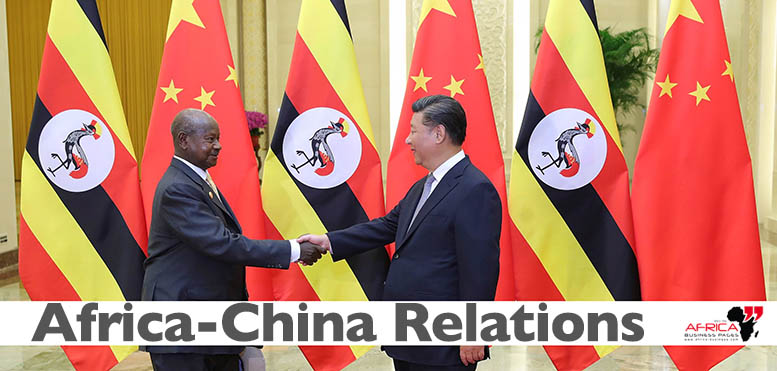
Uganda continues to solidify its position as a premier investment destination, consistently attracting some of the highest Foreign Direct Investment (FDI) in East Africa. Moving far beyond historical averages, Uganda now attracts well over $1.5 billion to $2.5 billion in FDI annually. This massive influx is largely driven by its stable and consistent macroeconomic policies, a highly liberalized business environment, its strategic geographic proximity as a logistics hub for the Great Lakes region, and rapidly expanding regional trade. Most FDI into Uganda is heavily directed towards the commercialization of its petroleum sector, alongside major investments in telecommunications, real estate, banking, insurance, energy, mining, and agro-export sectors. The Government actively promotes foreign capital through the Uganda Investment Authority (UIA) and the Presidential Investors Round Table. By actively minimizing macroeconomic policy shifts, Uganda offers a more predictable and secure landscape for doing business than many of its regional neighbors. In order for the country to fully capitalize on sustained, high global commodity prices, substantial capital investment in the mining sector remains a top priority. The highly anticipated revitalization and re-opening of the historic Kilembe Mines requires hundreds of millions of dollars in working capital, but promises to have a massive direct impact on the livelihoods of tens of thousands of Ugandans in Kasese, while supplying critical copper and cobalt to the global green energy transition. Efficient logistics remain the backbone of trade. Following the termination of older, underperforming private railway concessions, the government has aggressively pivoted toward state-backed railway modernization. This includes the ongoing rehabilitation of the century-old meter-gauge rail and the multi-billion-dollar push to connect Kampala to the Kenyan border via a modern Standard Gauge Railway (SGR) to slash freight costs from the Port of Mombasa. Latest Economic Developments & Growth Drivers The Oil & Gas Mega-Projects: The cornerstone of Uganda’s recent economic surge is the commercialization of the Lake Albert oil reserves through the Tilenga and Kingfisher projects. This is coupled with the construction of the East African Crude Oil Pipeline (EACOP), a massive $4 billion infrastructure undertaking that will transport Ugandan crude to the Tanzanian port of Tanga. These combined mega-projects are the primary drivers of current FDI, generating thousands of jobs, spurring local content contracts, and setting the stage for double-digit GDP growth once commercial exportation reaches peak capacity. Regional Trade and the AfCFTA: Uganda has aggressively positioned itself as the primary food basket and light-manufacturing hub for neighboring markets, particularly South Sudan and the Democratic Republic of Congo (DRC). With the DRC formally joining the East African Community (EAC) and the operationalization of the African Continental Free Trade Area (AfCFTA), Ugandan manufacturers now have tariff-free access to a massive consumer base of over 300 million people, driving a historic boom in cross-border trade and logistics investments. Agro-Industrialization and SEZs: Moving away from the vulnerability of exporting raw agricultural commodities, the Ugandan government is heavily subsidizing agro-industrialization and value addition. Through the establishment of state-backed Special Economic Zones (SEZs) and industrial parks—such as the Namanve Industrial Business Park—investors are offered generous tax incentives to establish processing plants for coffee, dairy, textiles, and fruit. This shift is rapidly increasing export revenues and protecting the economy from global commodity price shocks. Surplus Renewable Energy: Uganda has achieved a remarkable milestone by not only securing its domestic power grid but also generating a surplus of electricity, almost entirely from renewable sources. The commissioning of major hydroelectric infrastructure, notably the Karuma and Isimba dams, provides affordable, reliable, and clean power to heavy industries. This abundant green energy is highly attractive to environmentally conscious global manufacturers looking to reduce their carbon footprint while operating in Africa. The Fintech and Digital Boom: Kampala has emerged as one of East Africa's most vibrant tech ecosystems. The rapid penetration of mobile internet and the widespread adoption of mobile money platforms have revolutionized financial inclusion across the country. A new wave of venture capital is flowing into Ugandan fintech, agritech, and health-tech startups, creating a dynamic digital economy that is formalizing small and medium-sized enterprises (SMEs) and connecting them to global supply chains. Did You Know? Coffee Capital: Uganda is officially Africa's largest exporter of coffee, routinely exporting over 6 million 60kg bags annually, making it a critical player in global supply chains. The EACOP Record: Once completed, the East African Crude Oil Pipeline stretching from Hoima (Uganda) to Tanga (Tanzania) will be the longest electrically heated crude oil pipeline in the world. Green Grid: More than 80% of Uganda’s electricity grid is powered by clean, renewable hydroelectric energy. Demographic Dividend: Uganda possesses one of the youngest populations globally, with a median age of just 16 years, guaranteeing a massive, dynamic workforce and growing consumer market for decades to come.

UAE-Kenya Trade on the Upswing
folder_open East Africa
Total trade between both countries stood at KES. 173 billion (EUR. 1.634 billion). This made the UAE Kenya's 4th largest trading partner and the largest trading partner and export destination in the Middle East. The main products that United Arab Emirates exported to Kenya are Refined Petroleum ($1.31B), Gold ($48.7M), and Propylene Polymers ($42.8M). During the last two decades the exports of United Arab Emirates to Kenya have increased at an annualized rate of 8.72%, from $290 million in 1997 to $1.9 billion in 2020. In 2020, Kenya exported $381 million worth of goods to United Arab Emirates which included Refined Petroleum ($171 million), Tea ($55.7 million), and Sheep and Goat Meat ($40.2 million). During the last 22 years the exports of Kenya to United Arab Emirates have increased at an annualized rate of 15.7%, from $15.4 million in 1997 to $381 million in 2019. Kenya Imports from United Arab Emirates was US$866.79 million during 2020, according to the United Nations COMTRADE database on international trade. The main products being exported from UAE to Kenya are: Mineral fuels, oils, distillation products - $583.58 million Plastics - $84.57 million Electrical, electronic equipment - $41.10 million Salt, sulphur, earth, stone, plaster, lime and cement - $27.10 million Copper - $22.69 million Machinery, nuclear reactors, boilers - $11.55 million Miscellaneous chemical products - $9.11 million Arms and ammunition, parts and accessories - $8.41 million Iron and Steel - $8.10 million Vehicles other than railway, tramway - $7.39 million The UAE is Kenya's 5th largest export destination and the 4th largest import source. Approximately 50,000 Kenyans also work and live in the UAE, especially in the hospitality, aviation, medical, construction, engineering and security sectors. On the other hand, Dubai-based real estate firms have been hunting for buyers in Kenya for their luxurious property consisting of mainly residential units. Diplomatic missions Diplomatic relations between the two nations commenced in 1982 when Kenya opened its Embassy in the UAE which the latter reciprocated by UAE by establishing its embassy in Nairobi in 2012. Since then, high profile visits between the countries, were the norm, where H.E former President Mwai Kibaki visited the UAE in 2011 and H.E Uhuru Kenyatta's state visit to the UAE was in 2014. In the year 2015, H.H Sheikh Abdullah Bin Zayed Al Nahyan, Minister of Foreign Affairs and International Cooperation officially visited Kenya and this visit was a catalyst to advancing relations between the two countries. UAE-Kenya Trade Deal The United Arab Emirates (UAE) plans to sign a comprehensive economic partnership agreement with Kenya to consolidate its position as a gateway for global trade and investment. The deal with Kenya, alongside six other countries including India, Indonesia, Turkey, UK, Israel, South Korea and Ethiopia will widen its access in the emerging markets. "These comprehensive agreements will help us get wider accessibility to those markets. We are talking about 10 per cent of the global trade and 60 percent of the global populations of those eight countries," said Dr Thani bin Ahmed Al Zeyoudi, UAE Minister of State for Foreign Trade in a statement. "These countries were chosen on the basis of a few criteria, including knowledge-based economy, domestic consumption, international businesses in those countries, and their historical relations with the UAE." Dubai has successfully ploughed oil wealth into Kenya's key sectors like tourism and real estate and wants to double non-oil trade and investments with Kenya. Dubai, as the commercial and trading hub of the Middle East, has long been regarded as the gateway of trade between Kenya and the rest of the world. But the relationship between the two countries has been marked by huge trade imbalance in favour of the UAE. Sheikh Mohammed bin Rashid Al Maktoum, the vice-president and prime minister of the UAE and Ruler of Dubai, has singled out Kenya — East Africa’s largest economy — as “one of the most promising business partners for Dubai” in the coming years. "We are looking for a win-win partnership with Kenya,” said Hamad Buamim, president and CEO of the Dubai Chamber, in 2019. “We believe Dubai holds the key to unlocking Kenya’s economic potential." Related Articles

Asian Business Giants of East Africa
folder_open East Africa
Asian businessmen have dominated the busines landscape in East Africa for a long time and have progressed up the corporate ladder through their enterprise and hard work. Aly-Khan Satchu, a Kenyan-Asian financial analyst believes that Asian-owned companies have been embedded in the African ecosystem for more than a century. “For example, my family came to east Africa in the 1880s. This longevity has given Asian businesses an advantage in what remains an asymmetric African landscape,” he says. Africa is witnessing a second wave of Asian investments such as Indian telecoms giant Bharti Airtel that took over the sub-Saharan African assets of Kuwait-based mobile company Zain. According to Satchu, one of the reasons behind the success of Asian businesses is their ability to leverage family human capital effectively. “I also think Asian businesses have a ‘live meagre, dream big’ philosophy as Kenyan industrialist Manu Chandaria once put it,” says Satchu. Here are a few outstanding African businesses with Asian roots. Naushad Merali Kenyan businessman Naushad Merali (d. 2021) founded the Sameer Group, a major conglomerate with interests in agriculture, construction, IT, and finance. His entrepreneurial journey began at age 24 in the 1970s when he purchased and transformed Ryce Motors. A landmark achievement was co-founding mobile provider Kencell with French giant Vivendi; its 2004 sale to Celtel netted him a $20 million profit. Merali also held a major stake in Bharti Airtel Kenya until 2014. With a $370 million net worth in 2015, Forbes ranked him Kenya’s third-richest man. His other massive investments included the Grand Regency Hotel, Kenya Data Networks, and multiple regional processing plants. Sudhir Ruparelia Sudhir Ruparelia is the founder of the Ruparelia Group, Uganda’s largest and most diverse conglomerate. He entered the business world by importing beer and salt from Kenya, later transitioning into the lucrative foreign exchange market with Crane Forex Bureau. This massive success led to the 1995 establishment of Crane Bank, which quickly became one of Uganda’s top financial institutions. Organizing his expanding real estate, banking, and hotel ventures under the Ruparelia Group allowed for rapid growth. Valued at an estimated $1.2 billion, he is widely recognized for profoundly impacting Uganda’s economy and education sector. Mayur Madhvani Mayur Madhvani leads the Madhvani Group, Uganda’s largest sugar producer, which generates over $500 million in annual revenue. The family’s flagship enterprise, Kakira Sugar Works, produces 165,000 metric tonnes of sugar yearly—accounting for 47% of Uganda’s total production. The group also owns the country's second-largest producer, Kinyara Sugar Works. Under Mayur’s innovative guidance, the conglomerate has heavily diversified into power generation (including a 52-megawatt co-generation plant at Kakira), ethanol distillation, hotels, resorts, and security services. Dhiren Chandaria Following 24 years in North America, successful Kenyan entrepreneur Dhiren Chandaria returned home to acquire Orbit Chemicals, which is now Kenya’s largest contract manufacturer. Orbit serves top-tier multinational clients, including Unilever, Colgate, Reckitt, PZ Cussons, and L’Oreal. Chandaria also owns Ariel Foods, a premier manufacturer of therapeutic food for malnourished children. With advanced facilities in Kenya and Nigeria, Ariel Foods stands out as a major supplier of ready-to-use therapeutic food to the World Food Programme. Sunil Vaswani Born in Jaipur in 1963, Nigerian billionaire Sunil Vaswani is the chairman of the Dubai-based Stallion Group. Taking over his family’s Nigerian trading business at age 21, Vaswani expanded it into a massive global enterprise. Today, the group generates $4 billion annually, operating across the automobile, food, and petrochemical sectors throughout Asia, the Middle East, and Africa. Despite facing legal challenges in 2003, his immense success continued; Forbes estimated his net worth at $1.6 billion in 2020. Narendra Raval Guru Narendra “Guru” Raval is the founder of Devki Group, East Africa’s largest steel and cement manufacturer. Moving to Kenya as a teenager, he launched his steel business in 1986 and rapidly expanded into multiple industrial sectors. By 2015, his success earned him recognition from Forbes as the 2nd richest Kenyan and the 46th richest African, with the Devki Group valued at $650 million. Beyond his business empire, Raval is a deeply committed philanthropist who has pledged to donate half of his wealth to charitable causes. Bhimji Depar Shah Born in Cairo in 1931, Bhimji Depar Shah is the founder of Bidco Africa, one of East Africa’s foremost manufacturing groups. Starting with a single petrol station in Kenya, Shah shifted into soap production and later edible oils. By 1991, Bidco had aggressively expanded into a variety of consumer goods. Today, the conglomerate generates over $500 million annually with operations spanning 13 African countries. In 2015, Shah’s net worth was estimated at $700 million, officially making him Kenya’s wealthiest individual. Manu Chandaria Nairobi-born Manu Chandaria (b. 1929) is the senior member of the Comcraft Group, an industrial powerhouse valued at $2.5 billion. Operating in over 40 countries, the conglomerate produces steel, plastics, and aluminum products across 16 African nations and employs an international workforce of over 30,000. Chandaria’s monumental success in business is equaled by his philanthropic legacy. He has received numerous accolades for his work, most notably being awarded an Order of the British Empire (OBE) in 2003. Ramesh Hathiramani Ramesh Hathiramani is the founder of the Dana Group, a leading Nigerian conglomerate with prominent interests in aviation, pharmaceuticals, industrial chemicals, and automobile distribution. Beginning his entrepreneurial journey in general merchandise during the 1970s, Hathiramani successfully pivoted into pharmaceutical manufacturing by the mid-1980s. Today, the group's automotive arm, Dana Motors, serves as the exclusive distributor for Kia vehicles in Nigeria. Furthermore, the Dana Group owns the popular commercial airline Dana Air. Bashir Currimjee Bashir Currimjee is a central figure in the Currimjee Group, a diversified Mauritian conglomerate founded in 1890 by his grandfather. Evolving from a small livestock feed and commodity trading business, the family empire now spans telecom, IT, real estate, hospitality, and energy. The Currimjee Group's major assets include Emtel, the island’s second-largest mobile telecom operator, and MC Vision, the country’s leading digital pay-TV provider, solidifying the family's enduring regional influence. Vinay and Ratan Mahtani Brothers Vinay and Ratan Mahtani lead the Churchgate Group, founded in 1968 by their father, Ishwardas Mahtani. Originally a dominant textile manufacturer, Churchgate strategically pivoted in 1995 when the Nigerian government lifted protections on local textiles. Ceasing textile operations, the brothers focused on leasing their extensive warehouse properties and spearheading real estate development. Today, Churchgate is a premier real estate firm celebrated for projects such as The World Trade Center in Abuja. Vivian Reddy South African businessman Vivian Reddy founded the Edison Power Group, one of the nation's largest electrical engineering service providers. Growing a small firm into an industry titan, Reddy secured massive municipal contracts, including a landmark deal with the City of Johannesburg. He has since built a diverse empire encompassing property development (such as Durban's multimillion-dollar Ocean Mall), casinos, healthcare, and financial services. Reddy remains a highly influential economic figure and a dedicated philanthropist. Ylias Akbaraly Ylias Akbaraly chairs Groupe Sipromad and serves as President of Thomson Broadcast. Over the last 20 years, he transformed his family’s business into one of Madagascar’s most influential companies, growing its workforce to over 3,000 employees. The group operates in renewable energy, real estate, aviation, tourism, and finance. Acquiring Thomson Broadcast in 2018 solidified his global reach across countries like France and Ghana. Akbaraly aims to build the Indian Ocean's tallest tower to cement Madagascar as an economic hub. Amirali Karmali Amirali "Mukwano" Karmali (d. 2019) was a trailblazing Ugandan industrialist who founded the Mukwano Group of Companies in 1986. Generating over $230 million annually, the East African conglomerate spans banking, real estate, plastics, logistics, and FMCG manufacturing. His flagship Mukwano Industries dominated the market with cooking oils, soaps, and detergents. A major landowner with 17,000 acres in Masindi, Karmali was awarded Uganda’s prestigious Order of the Nile in 2011 for his enterprise development. Ramesh Valechha Ramesh Valechha chairs the Milan Group, a business conglomerate he founded in Nigeria four decades ago. Originally a simple commodity trading firm, it has evolved into a diversified multinational corporation operating across Africa, Dubai, India, and the UK. The Milan Group's extensive portfolio covers automobile and tire distribution, shipping, consumer goods, and real estate, notably owning the prestigious Lagos Continental Hotel. Recently, Valechha’s empire faced a major setback when AMCON initiated bankruptcy proceedings against him in 2024. Iqbal Survé South African billionaire Iqbal Survé chairs Sekunjalo Investment Holdings. Founded in 1997, the group boasts over 200 investments across Sub-Saharan Africa in sectors like energy, healthcare, and financial services. Survé also chairs Independent Media, one of the country's largest media houses. With a personal fortune estimated at $1 billion, his career has seen high-profile disputes, notably with the Public Investment Corporation (PIC). He is widely recognized for his philanthropy, supporting disaster relief and black-owned businesses. Benoy Berry Benoy Berry founded the Contec Global Group in 1984, establishing it as a pioneer in security technology and biometric identification. Through a long-standing partnership with the Nigerian government, Contec developed secure technologies for passports and resident cards. Berry oversaw Nigeria's 1999 Combined Expatriate Residence Permit and Alien Card project. A naturalized Nigerian citizen, Berry has aggressively expanded Contec’s portfolio to include major ventures in hospitality, agriculture, and alternative energy infrastructure. Raj and Alok Gupta Brothers Raj and Alok Gupta lead African Industries, a premier Nigerian conglomerate heavily invested in mining, chemicals, real estate, and steel manufacturing. Recognized as Nigeria’s largest steel producer, the company employs over 4,000 people from more than 10 countries. Guided by the mentorship of their father, Pk Gupta, Chairman Raj and Managing Director Alok successfully drove the conglomerate's international expansion, resulting in massive growth in both revenue and corporate assets.
The Market for Mobile Phones in Africa
folder_open East Africa
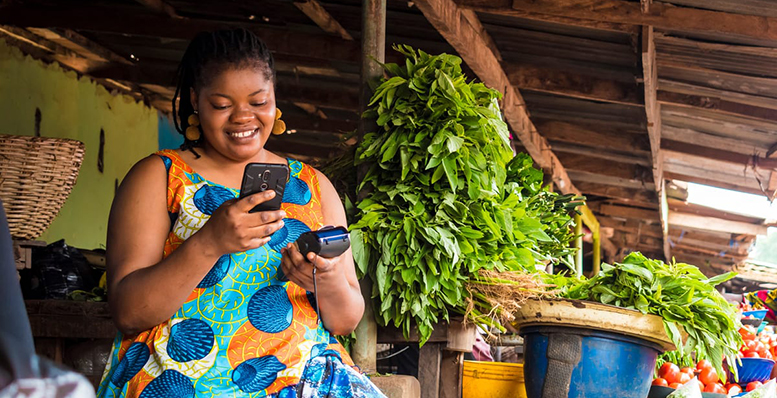
Double-digit growth has firmly taken root in the East African mobile market over the last decade, transforming the region into a global leader for mobile-first technologies. As of 2025, the core East African market (Kenya, Tanzania, Uganda, and Rwanda) boasts over 150 million active mobile subscribers, pushing the regional penetration rate well above 80 percent. The market has shown explosive growth as legacy fixed-line networks were entirely bypassed in favor of advanced mobile telephony. Continent-wide, the total number of unique mobile subscribers is projected to surpass 680 million by 2030, representing a massive compound annual growth rate. Additionally, the continuous launching of high-capacity undersea fiber-optic cables has substantially reduced the cost of telecommunications bandwidth. This plunge in data costs is aggressively driving the demand for mobile internet access, cloud services, and the mass importation of mobile smartphone handsets. Kenya consistently maintains the highest number of active subscribers and digital revenues among the East African countries, acting as the technological anchor for the region. However, Tanzania, Uganda, and Rwanda are witnessing equally explosive growth driven by increasing 4G/5G network investments and heavily subsidized smartphone costs. The key drivers of this market include rising gross domestic product (GDP) growth rates, a massive youth demographic, and the absolute necessity of mobile money transfer services for daily commerce. Latest Trade Developments: Smartphones and Fintech The most significant recent development in the East African telecom trade is the massive shift from basic feature phones to affordable, high-speed smartphones. Chinese manufacturing giants—specifically Transsion Holdings (parent company of Tecno, Infinix, and Itel)—have dominated this transition by flooding the market with sub-$100 smart devices tailored specifically for African consumers, featuring longer battery lives and localized camera sensors. Furthermore, to bypass high import tariffs, several multinational tech companies have established local smartphone assembly plants in Kenya and Rwanda, creating a booming localized supply chain that is significantly lowering retail costs for the end-user. Secondly, the explosion of "Fintech" and Mobile Financial Services (MFS) has fundamentally altered the East African economy. Platforms like Kenya’s M-Pesa have evolved from simple peer-to-peer money transfers into comprehensive financial ecosystems offering merchant payments, micro-loans, and international trade settlements. This has forced traditional retail banks to partner directly with telecom operators to survive. Consequently, the demand for mobile network infrastructure—such as cellular towers, secure data centers, and fiber-optic hardware—has skyrocketed, creating a highly lucrative B2B export market for international tech suppliers looking to service these expanding telecom giants. Sub-Saharan Africa: Unique Mobile Subscribers Data Source: GSMA Mobile Economy Estimates | © Africa Business Pages The Scramble for the Handset Market Despite the booming growth, challenges remain for those wanting to expand their hardware interests in East African markets. These include high regulatory tax rates on mobile services in certain jurisdictions and the ongoing need for off-grid power solutions for cellular towers in deep rural areas. "The lack of reliable grid electricity in rural areas, where a large portion of the population resides, restricts the expansion of the subscriber base, making solar-powered telecom solutions highly sought after," an industry report notes. With such high growth predicted, many international hardware manufacturers are eyeing East Africa to supply mobile handsets and telecom accessories. As expected, Chinese electronics firms have been exceptionally quick to meet this demand, appointing dedicated agents and regional distributors in Kenya, Uganda, Tanzania, Burundi, and Rwanda. Being a price-sensitive market, most East African consumers strongly prefer to buy high-value, lower-priced goods instead of premium products made by Western multi-national firms. Top Mobile Markets in Africa Explore the continent's most connected nations. Click on a country's marker or the sidebar leaderboard to view the latest subscriber and penetration data. Did You Know? The Fintech Pioneer: Kenya’s M-Pesa is widely considered the most successful mobile money service in the world, processing billions of dollars in transactions annually. Over 100% Penetration: Countries like South Africa, Kenya, and Ghana actually have mobile penetration rates exceeding 100%, meaning many citizens own and operate multiple SIM cards simultaneously. The Asian Dominance: Transsion Holdings (the maker of Tecno, Itel, and Infinix) controls over 40% of the entire African smartphone market, beating out Samsung and Apple by offering ultra-affordable devices. Economic Backbone: The mobile ecosystem directly and indirectly contributes over 8% to Sub-Saharan Africa's total GDP, driving massive employment in the tech sector. The 5G Rollout: As of 2026, commercial 5G networks are live in over 15 African nations, with South Africa, Nigeria, and Kenya leading the charge in urban deployment.

Abu Dhabi Expands Relations With Africa
folder_open East Africa
Historically, Abu Dhabi-based conglomerates made global headlines by investing hundreds of millions of dollars to launch mobile phone operations across East and Central Africa. In the early 2000s, entities like the Abu Dhabi Group targeted heavily under-penetrated markets such as Uganda—which at the time had a population of 28 million and a mere 9 per cent market penetration—laying the foundational infrastructure for the continent's impending digital boom. Those early investments through companies like Warid Telecom proved that African countries offered excellent, high-yield investment opportunities. By partnering with global tech giants like Ericsson and Huawei, Abu Dhabi investors successfully built out critical mobile networks in Uganda, the Republic of Congo, and the Ivory Coast. As these markets matured and smartphone penetration skyrocketed to over 75 per cent in nations like Uganda (which now boasts a population of 50 million), those early telecom assets were strategically merged or acquired by current industry giants. Today, the relationship between the UAE capital and the African continent has evolved dramatically. Moving far beyond early telecommunications and digital media, Abu Dhabi’s sovereign wealth funds and state-backed enterprises are now driving some of the largest, most transformative infrastructure and energy mega-projects in African history. The New Wave: Abu Dhabi's Latest Investments in Africa Abu Dhabi's modern investment strategy in Africa has shifted toward massive, strategic infrastructure and sovereign wealth plays. State-backed entities such as ADQ and Mubadala Investment Company are leading a new wave of mega-investments, targeting critical sectors that drive long-term, sustainable growth across the continent. Rather than short-term consumer plays, the focus is now strictly on food security, vital supply chains, and industrial capacity building. A major focal point of this new era is the green energy transition. Masdar, Abu Dhabi’s flagship renewable energy company, has committed billions of dollars to develop massive solar, wind, and green hydrogen projects across Africa. Recently, Masdar signed historic, multi-billion-dollar agreements with countries like Angola, Uganda, and Zambia to generate gigawatts of clean energy. These investments are significantly boosting the continent's power capacity, electrifying rural areas, and supporting global climate goals without adding to national debt burdens. In the logistics and maritime sector, AD Ports Group has aggressively expanded its African footprint to secure and modernize vital trade corridors. The group has signed multi-decade concession agreements to develop, upgrade, and manage key port terminals and economic free zones in Egypt, the Republic of Congo, and Tanzania. By injecting advanced port management technology and expanding cargo handling capacities, these investments are transforming regional logistics, making African exports far more competitive on the global stage. Furthermore, Abu Dhabi is heavily targeting Africa's critical minerals sector, which is absolutely essential for the global energy transition. Entities like International Resources Holding (IRH) have recently committed billions to acquire major stakes in copper and cobalt mines in Zambia and the Democratic Republic of Congo (DRC). This strategic positioning ensures that Abu Dhabi remains a central player in the global electric vehicle (EV) battery supply chain while actively driving local processing and industrialization within resource-rich African nations. Did You Know? Renewable Giant: Abu Dhabi’s renewable energy firm, Masdar, has pledged to mobilize $10 billion to fund 10 gigawatts (GW) of clean energy capacity across Africa by 2030. Critical Minerals: In 2024, Abu Dhabi’s IRH invested over $1.1 billion for a 51% stake in Zambia’s Mopani Copper Mines, securing a vital supply of materials for the EV revolution. Logistics Empire: AD Ports Group operates a 30-year concession to manage and develop the multipurpose terminal at the Port of Pointe-Noire in the Republic of Congo, a key Atlantic gateway. Food Security: Abu Dhabi’s sovereign wealth fund ADQ has made massive investments in African agriculture, notably acquiring a major stake in the Louis Dreyfus Company (LDC) to stabilize global food supply chains originating from Africa. The Warid Legacy: The early investments by the Abu Dhabi Group in Warid Telecom were so successful in building a subscriber base that they were eventually acquired by Bharti Airtel, shaping Uganda's modern telecom landscape.
Indian Investors Buy Farmlands in Africa
folder_open East Africa
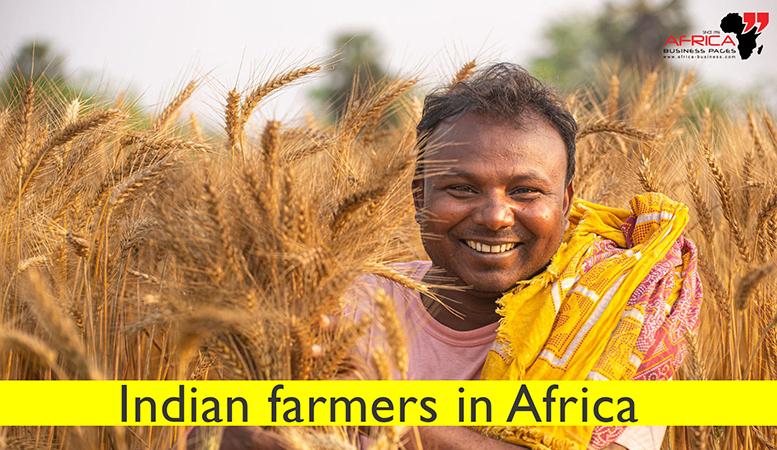
Did you know that the flowers which were used during the inaugural of World Cup in Johannesburg came from the Ethiopian rose gardens of Sai Ramakrishna Karuturi. Karuturi, a Bangalore businessman who has been acquiring land in African nations, has already become the biggest rose grower in the world, and one of the world’s biggest private land owners. Interestingly, he also owns Karuturi Sports, a Kenyan football club (earlier called Sher Agencies) that plays in the country’s premier league. What Karuturi started a few years ago has opened the floodgates for many Indian corporates. Several Indian companies have already leased land in Africa and many others too are eyeing opportunities in commercial agriculture in different countries in the continent. “In many cases, Indian companies that already have a presence in Africa are looking at getting involved in the agricultural sector, even if they are not intrinsically farming majors. There are companies, which are doing large infrastructure projects, that are offered land holdings usually on lease. To enter commercial agriculture, such companies will have to look for expertise within the farming community,” says Shipra Tripathi, director and head of CII Africa. The Tata group has been given a land lease in Uganda to run a pilot agricultural project, while the Jaipurias of RJ Corp have a lease of a 50-acre model dairy farm. The latter is already active in dairy products in African markets such as Uganda and Kenya. Construction major Shapoorji Pallonji & Co has acquired the lease for 50,000 hectares of land in Ethiopia and may look at agricultural projects in future. And it’s not just large Indian companies, small and medium enterprises in sectors ranging from spices and tea to chemicals are looking at entering the commercial agriculture space in Africa. There are roughly about 70 Indian companies which are already in the process of making a foray into the farming sector in Africa. The countries which offer big opportunities include Ethiopia, Malawi, Kenya, Uganda, Liberia, Ghana, Congo and Rwanda. Various Indian tea companies, for instance, are making a beeline to acquire estates. BM Khaitan-owned McLeod Russel India, the largest integrated tea company in the world, has already taken the acquisition route with Uganda’s Rwenzori Tea Investments which it bought for $25 million. The acquisition is being carried out through Borelli Tea Holdings of the UK, which is a wholly-owned subsidiary of McLeod Russel India. The Rwenzori Tea Investments has six estates within its fold and can produce 15 million kilogrammes of tea annually. Punjab-based farmers, who are known for feeding the Indian population, now want to try their hands offshore, with a group of progressive farmers all set to acquire 50,000 hectares of farm land on lease in Ethiopia for growing high-value cash crops, including pulses and maize. “We will be inking a deal with the Ethiopia government for getting at least 50,000 hectares of area for growing crops like pulses and maize, which will be exported to India and Europe,” Confederation of Potato Seed Farmers President Sukhjit Singh Bhatti said. What encouraged these potato growers to try their hand at farming overseas was availability of fertile land at almost throwaway rates, duty free imports of capital goods and the zero duty on farm exports offered by Ethiopia. The ambassadors of various African countries, including Tanzania and Uganda, also visited Punjab recently and encouraged farmers from the state to till the land in their countries. “Vast tracts of arable land are lying vacant. The land is fertile, the climate is suitable and water is abundant. Also, both land and labour are cheap,” says Punjabi farmer Jaswinder Singh. Punjabi farmers are scaling up their small Indian farms into large African plantations in Ethiopia, Kenya, Madagascar, Senegal and Mozambique. The profit opportunities are huge, with growers exporting rice, wheat, sugar cane and lentils back to Indian and European markets. And it’s not just individual farmers taking part – even large Indian agri-companies like Karuturi Global (a rose producer) and Rana Sugars are moving to the area. From the Indian perspective, it seems like an ideal situation. Investment Returns in Africa Agriculture is the Africa’s most important economic sector – it still employs more than half the labour force yet remains one-fourth as productive as its counterparts around the world. One recent survey of this huge sector concluded that part of that productivity gap can be explained by the fact that nearly two-thirds of Africa's agricultural land has been degraded by erosion and misused pesticides. In Ethiopia, 85 per cent of the land is damaged. Correcting this damage is therefore critically important – agriculture contributes at least 40 per cent of exports, 30 per cent of GDP, up to 30 per cent of foreign-exchange earnings, and 70 to 80 per cent of employment. Get it right, and the wider economic benefits could be huge – the UK-based Overseas Development Institute points out that of the 30 fastest growing agricultural economies, 17 are in Sub Sharan Africa. Little wonder then that overseas investors have started to take notice. CRU, a small fund management firm, recently launched a Malawi-based fund called Africa Invest. The retail-orientated fund can be accessed for as little as £4,000. The fund has made an initial investment of £2 million in 2,000 hectares of land that's producing paprika for western supermarkets. With land prices starting at £800 per hectare it's relatively easy to amass large farms that can be upgraded with new technology, mechanisation and better production methods. Annual returns on capital are expected to exceed 30 to 40 per cent. A much larger version of this scheme is being marketed by hedge fund Emergent. It's targeting a total return of 400 per cent over the next five years, partly due to the phenomenal rising land values, investment in better technology to improve productivity and the introduction of a new form of farming called no till agriculture. To demonstrate the potential, it's been running a trial 7,200 acre project over the last three years that's showed an average 33 per cent annual gain in output from soft agricultural products and a total return of 120 per cent. The company points out that the return was based on much lower historic soft commodities prices, which have nearly doubled in recent years. This fund believes that returns on equity for maize should be 35 per cent a year, and 25 per cent for soybeans. Emergent isn't the only player in the agricultural space – palm oil companies are very active in West Africa and Lonhro has also spotted the potential to provide capital, technology and know-how to Africa's farming sector. “More and more, the world will look to Africa to be its breadbasket, and I hope that when the world looks… it is Africans and African farmers who will profit from becoming the world’s breadbasket,” said Hillary Clinton during her recent visit to Africa. Related Articles
Uganda Attracts Investments
folder_open East Africa
Uganda is clearly a country on the move. The country has attracted increasing amounts of foreign direct investment (FDI) since the beginning of the 1990s. Between 2005 and 2007, the country attracted an average of over US$100 million in FDI. This increased steadily with FDI being USD 210 million in 2006. This means that Uganda attracts more FDI than most other countries in the region and indeed, most developing countries. The Government of Uganda has pursued a steady policy of improving the investment climate by reducing bureaucracy, streamlining the legal framework, fighting corruption and stabilizing the economy. The government has adopted 'The Big Push' strategy intended to make Uganda the most competitive destination for FDI in Africa and establish Multi-Facility Economic Zones, extra-territorial zones exempt from cumbersome and archaic domestic laws. Uganda is a country rich in natural resources and offers a wide range of investment opportunities in agriculture, forestry and mineral resources. Because the country's young economy, the potential and the choice of investment opportunities is much wider for the prospective investor than would be the case in more developed economies. The recent economic dynamism has also opened up opportunities in manufacturing and services. Linked to almost all of the primary-sector industries are opportunities in upstream or down-stream manufacturing activities. These include, among other things, packaging and the construction of storage facilities. The extensive privatisation programme undertaken by the Government has opened up industries that were formerly closed to the private sector, particularly in the infrastructure sector. Uganda was one of the first African countries to liberalise its telecommunication sector and there are now several private telecommunication companies in operation. The poor condition of many other infrastructure facilities, in particular air, road and rail transport, is an obstacle to users but an opportunity for investors. Perhaps the biggest long-term opportunities are to be found in the tourism industry. Uganda, commonly known as the 'Pearl of Africa', offers a number of unique tourist attractions.These include Lake Victoria, the source of the Nile, the Murchinson Falls and the Mountains of the Moon, along with a number of national parks and wildlife reserves hosting, among other fauna, half the world ’s mountain gorilla population. However, the tourism infrastructure is still underdeveloped. This offers plenty of opportunities for tour and hotel operators. Apart from the availability of natural resources, Uganda offers a well educated domestic labour force. On top of this, the government provides a fiscal incentive package which in turn provides for generous capital recovery terms, particularly for investors whose projects entail significant investment in plant and machinery and whose investments are medium/long term. Economic Growth After a year of turbulence, the Ugandan government stabilised the economy in 2012 with inflation falling to 14.6% from 18.7% in 2011. Tightened fiscal and monetary policy helped bring fiscal balances under control. While laying the foundations for recovery and growth, stabilisation came at the cost of a slowdown in gross domestic product (GDP) growth to 3.2% by June 2012 Agribusiness Uganda is among leading producers of coffee and bananas. It is also a major producer of tea, cotton (including organic cotton), tobacco, cereals, oilseeds (simsim, soya, sunflower, etc), fresh and preserved fruit, vegetables and nuts, essential oils, orchids.. Factory Growth Uganda's manufacturing output has been expanding by more than 10% annually over the last eight years. Opportunities exist in virtually all areas ranging from beverages, leather, tobacco based processing, paper, textiles and garments, pharmaceuticals, fabrication, ceramics, glass, fertilizers, plastic / PVC, assembly of electronic goods, hi-tech and medical products. Forestry With over 4.9 million hectares of rich forest vegetation, Uganda possesses abundant potential in areas like timber processing for export, manufacture of high quality furniture/wood products and various packaging materials. There are also opportunities in afforestation and reforestation especially of medicinal trees and plants, soft wood plantations for timber, pulp poles. Previous Next

Uganda Attracts Foreign Businesses
folder_open East Africa
Uganda is a landlocked country in East Africa with a total estimated population of about 48.2 million people. The country is bordered on the east by Kenya, on the north by Sudan, on the west by the Democratic Republic of the Congo, and on the south by Rwanda and Tanzania. With a unique strategic location and one of the fastest growing economies in Africa sustained growth averaging 7.8 per cent since 2025, Uganda offers exceptional business opportunities in the heart of Africa. By providing a conducive environment and a wide range of incentives, the country has been significantly successful in mobilising both foreign and domestic investment. The steady growth in FDI inflows is accredited to the remarkable macroeconomic and political stability as well as proactive investment promotion efforts made worldwide. Uganda has been secured and guaranteed by membership in various free trade and market access preferences offered to the country. The Common Market for Eastern and Southern African states (COMESA), a region with a market of over 470 million people in 19 countries is one of the groupings in which Uganda is a member, guaranteeing the business community more than 80 per cent tariff reduction in this regional market. Government and private sector dialogue in policy formulation are at the highest level and at the center of business development processes in the country. A Presidential Investor’s Roundtable chaired by the Country’s President is in place to ensure that government policies keep the private sector at the centre. Business development strategies including the Investment Climate Strategy (CICS), the National Export Strategy (NES) and other regulatory frameworks have all been put in place under Public-Private Sector Partnerships. As a result, many vibrant private sector associations have come up to advance their members’ concerns. Emerging Sectors & Investment Opportunities Agriculture remains the backbone of Uganda's economy, employing over 70% of the workforce and contributing significantly to the national GDP. With its highly fertile soil and regular, dependable rainfall, the country is a leading global exporter of premium coffee, tea, and tobacco. In recent years, there has been a highly lucrative shift towards non-traditional agricultural exports, including floriculture, vanilla, and organic fresh fruits, presenting immense opportunities for foreign investors in agro-processing, packaging, and value-addition supply chains. To sustain its rapid economic growth, the Ugandan government has heavily prioritized infrastructure and energy development. Major investments are currently being channeled into expanding the national road network, rehabilitating the regional meter-gauge railway, and constructing massive new hydroelectric power stations, such as the Karuma and Isimba dams. These critical energy projects are expected to drastically reduce the cost of manufacturing and power generation, making Uganda a highly competitive industrial hub in East Africa. Uganda Real GDP Growth (2023 - 2030) Data Source: IMF World Economic Outlook Furthermore, the discovery of commercially viable oil reserves in the Albertine Graben region has positioned Uganda as a major upcoming player in the global energy market. With an estimated 6.5 billion barrels of oil in place, the sector is attracting billions of dollars in foreign direct investment. Mega-projects, such as the East African Crude Oil Pipeline (EACOP) and the development of a domestic oil refinery, are set to transform the economy and create widespread auxiliary business opportunities in logistics, construction, engineering, and support services. Beyond commodities and energy, Uganda’s tourism and hospitality sector holds exceptional untapped potential. Famously dubbed the "Pearl of Africa" by Winston Churchill, the country boasts breathtaking landscapes, including the snow-capped Rwenzori Mountains and the expansive Lake Victoria. It is also one of the only places on Earth where tourists can trek to see endangered mountain gorillas in their natural habitat. As global travel infrastructure improves, there is a rapidly growing demand for luxury lodges, eco-tourism resorts, and hospitality services to cater to international visitors. Did You Know? The Pearl of Africa: Uganda was famously given this title by Winston Churchill in 1907 due to its magnificent beauty, vibrant colors, and abundant wildlife. Mountain Gorilla Capital: The Bwindi Impenetrable National Park in southwestern Uganda is home to almost half of the world’s remaining endangered mountain gorilla population. Source of the Nile: Uganda is home to the true source of the longest river in the world, the Nile, which begins its epic 6,650km journey from Lake Victoria in the city of Jinja. A Youthful Boom: Uganda boasts one of the youngest populations on the entire globe, with a median age of roughly 15.7 years, presenting a massive, energetic future workforce. Banana Superpower: Uganda is the second-largest producer of bananas in the world (trailing only India). A type of savory plantain called Matooke is a dietary staple across the nation.
The Dar es Salaam International Trade Fair (DITF) has established itself as one of the prime trade events in East Africa. Held every year, the DITF is an ideal platform for companies to showcase their products on a pan-African platform. The DITF has grown in stature over the years and attracts more than 1,000 companies from all over the world to participate annually. In addition to companies from Tanzania and the rest of Africa, one can find a large contingent of overseas companies from as far away as the United States, Europe, India, Pakistan, and the Middle East. While in Tanzania for the DITF, many participants also use the opportunity to visit Zanzibar, which has emerged as an important business centre in the region. In recent years, Zanzibar has established itself as an essential destination for exports and re-exports. The Maruhubi port in Zanzibar operates as a free port; imports routed here are exempt from custom duties and import taxes. Merchants and traders are permitted to store their cargo at the port before re-shipping them elsewhere for sale or use. When re-shipping imports stored at the free port, traders are required to pay custom duties only in the country of the goods' final destination. This strategic advantage has helped Zanzibar rapidly emerge as the distribution hub of the East African region. As a result, goods from all parts of the world are shipped to Zanzibar for further re-export and distribution into the East African countries of Uganda, Burundi, Rwanda, and the Democratic Republic of Congo. In view of the increased cargo traffic through the Zanzibar port, the government is continuously upgrading its facilities. Major development programmes have modernized existing infrastructure and increased the port's handling capacity, earning it the moniker "Dubai of East Africa." The port is designed to distribute goods seamlessly to the mainland and landlocked countries in the hinterland. The 32,000 square metre facility features a specialized container stocking yard, all-weather warehousing sheds, and a motor vehicle yard capable of stocking a large volume of automobiles. Consequently, cargo movement in Zanzibar has registered a marked increase, handling hundreds of thousands of tonnes of general break-bulk cargo and tens of thousands of tonnes of liquid cargo, alongside a rapidly growing container throughput. Imports into Tanzania have registered steady growth. Progressive economic liberalisation policies adopted by the government, coupled with a sustained economic boom, have played an instrumental role in promoting trade. Tanzania's exports have also expanded significantly, with fresh fruits, vegetables, handicrafts, agricultural products, minerals, and tea leading the market. Automobiles, heavy machinery, consumer electronics, chemicals, second-hand cars, spare parts, textiles, and computing equipment are among the top items imported into Tanzania on a regular basis. According to industry estimates, large volumes of second-hand cars are exported to Tanzania through hubs like Sharjah every month. These right-hand drive cars are heavily sourced from Japan and shipped to meet local demand. "There is a huge demand for quality second-hand cars in Tanzania. Second-hand car dealers in Sharjah and Dubai have been major sources in meeting this increasing demand," noted local traders. The trading ecosystem has been further boosted by government initiatives to streamline foreign exchange regulations, making it easier for Tanzanian businessmen to finalize overseas purchases. Dar es Salaam, the country's primary seaport, serves as the central distribution hub for huge East African markets by providing direct access to landlocked neighbouring nations. The port is linked to the world's major maritime routes with regular sailings to Europe, the Americas, Asia, and the Middle East. With a population exceeding 8 million people, Dar es Salaam is the largest city in East Africa and a major industrial and transportation terminus. Tanzania has fully liberalised its economy by removing historical obstacles that hampered the free flow of trade and foreign private investment, creating a highly conducive environment to attract global capital. Top 10 Non-Oil Import Commodities in Tanzania (Est. Value USD Millions) © Africa Business Pages Source: OEC Trade Statistics & Regional Estimates, 2025 Latest Economic & Trade Developments Tanzania’s economy demonstrated robust performance in 2025, reaching a GDP growth rate of 6.0%, and is projected to expand by 6.3% in 2026. This growth trajectory is strongly supported by the completion of major infrastructure initiatives, notably the Julius Nyerere Hydropower Project, which adds 2,115 MW of capacity to the national grid, and the ongoing expansion of the Standard Gauge Railway. Furthermore, Tanzania achieved a record-breaking $10.95 billion in approved investments across 915 projects in 2025, signaling a massive surge in foreign and domestic capital targeting the manufacturing, mining, and energy sectors. Despite global economic headwinds, the country has maintained vital macroeconomic stability. Headline inflation averaged a controlled 3.3% in 2025, comfortably remaining within the Bank of Tanzania's target range of 3–5%. The mining sector emerged as a star performer, recording a 19% growth rate in early 2025 and generating a record $4.7 billion in gold exports. These revenues, coupled with foreign exchange reserves strengthening to $6.3 billion—enough to cover nearly five months of imports—provide a solid fiscal buffer as the country targets $15 billion in annual foreign direct investment by 2026. Did you know? In 2025, Tanzania recorded its highest-ever investment influx, approving 915 projects valued at nearly $11 billion, more than tripling the project volume seen just four years prior. The mining sector contributed a record-breaking $4.7 billion in gold exports in 2025, accounting for roughly half of the nation's total goods exports. Tanzania's foreign exchange reserves reached $6.3 billion by early 2026, providing a secure buffer equivalent to 4.9 months of import coverage. The country successfully maintained its headline inflation rate at an average of 3.3% throughout 2025, keeping it within the central bank's tight target range of 3% to 5%. Recent infrastructure completions, including the 2,115 MW Julius Nyerere Hydropower Project, are expected to drastically boost the energy sector, which is projected to grow by 12% by 2026. Tanzania's tourism sector experienced a massive rebound, generating $4.3 billion in revenues in 2025, driven by an 11.4% increase in international arrivals.
Preliminary request for participation in the trade show
place
calendar_today
Preliminary request for visitor registration
Visitor Registration
place
calendar_today