
India, China Eye African Markets
folder_open Business Outlook
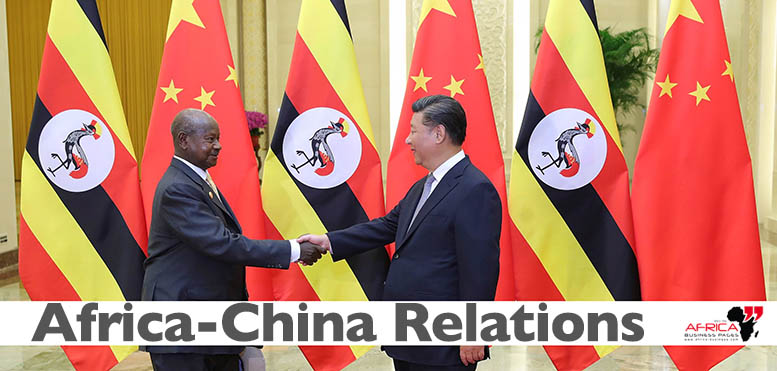
China and India’s newfound interest in trade and investment with Africa – home to 300 million of the globe’s poorest people and the world’s most formidable development challenge – presents a significant opportunity for growth and integration of the Sub-Saharan continent into the global economy. These two emerging economic “giants” of Asia are at the centre of the explosion of African-Asian trade and investment, a striking hallmark of the new trend in South-South commercial relations. Both nations, India and China, have centuries-long histories of international commerce, dating back to at least the days of the Silk Road, where merchants plied goods traversing continents, reaching the most challenging and relatively untouched markets of the day. In contemporary times, Chinese trade and investment with Africa actually dates back several decades, with most of the early investments made in infrastructure sectors, such as railways, at the start of Africa’s post-colonial era. India, too, has a long history of trade and investment with modern-day Africa, particularly in East Africa, where there are significant expatriate Indian communities. Today’s scale and pace of China and India’s trade and investment flows with Africa, however, are wholly unprecedented. Since 2000 there has been a massive increase in trade and investment flows between Africa and Asia. Today, Asia receives about 30 per cent of Africa’s exports, in contrast to only about 14 per cent in 2000. This volume of trade is now almost on par with Africa’s exports to the United States and the European Union (EU) – Africa’s traditional trading partners. In fact, the EU’s share of African exports was halved over the period of 2000–2009. On the other hand, Asia’s exports to Africa are growing very rapidly – about 18 per cent per year – which is higher than to any other region. At the same time, although the volume of foreign direct investment (FDI) between Africa and Asia is more modest than that of trade – and Sub-Saharan Africa accounts for only 1.8 per cent of global FDI inflows – African-Asian FDI is growing at a tremendous rate. This is especially true of Asian FDI in Africa. With regard to investment, much of the accumulated stock of Chinese and Indian FDI in Africa is concentrated in extractive sectors, such as oil and mining. While this has been grabbing most of the media headlines, greater diversification of these countries’ FDI flows to Africa has, in fact, been occurring more recently. Significant Chinese and Indian investments on the African continent have been made in apparel, food processing, retail ventures, fisheries and seafood farming, commercial real estate, transport, construction, tourism, power plants, and telecommunications – among other sectors. Moreover, some of these investments are propelling African trade into cutting-edge multinational corporate networks, which are increasingly altering the “international division of labour.” China and India are pursuing commercial strategies with Africa that are about far more than resources. With this newest phase in the evolution of world trade and investment flows taking root – the increasing emergence of South-South international commerce, with China and India poised to take the lead – Africans cannot afford to be left behind, especially if growth enhancing opportunities for trade and investment with the North continue to be as limited as they have been. There has been a dramatic increase in trade flows between Africa and Asia – Africa has growing demand for Asia’s manufactured goods and machinery, and demand in Asia’s developing economies is growing for Africa’s natural resources, and increasingly for labour-intensive goods. Consequently, the volume of African exports to Asia is growing at an accelerated rate: while exports from Africa to Asia grew annually by 15 per cent between 1990 and 1995, and 30 per cent during 2005–10. Asia is now a major trading partner of African countries and accounts for 27 per cent of Africa’s exports, an amount that is almost equivalent to the EU and US share of Africa’s exports. Despite this growth, Africa’s exports still remain relatively small from the Asian perspective: Africa’s exports to Asia account for only 1.6 per cent of Asian global imports. The recent growth of African exports to Asia largely reflects a sharp upturn in its exports to China and India. African exports to these two countries have been rising dramatically. Though China and India still account for only 13 per cent of all of Africa’s exports, Africa’s exports to China and India have almost doubled the growth rate of the continent’s total exports worldwide. Between India and China, it is China that is the more dynamic destination market for Africa’s exports. The growth in African exports to China and India in the last few years is largely driven by large unmet domestic demand for natural resources in these countries – reflecting growing industries as well as increasing consumption by households. Petroleum is the leading commodity, followed by ores and metals. That oil dominates Africa’s exports to China and India is part of the larger profile of Africa’s global export pattern. Africa’s rapidly growing exports to China and India are not limited to fuels and other mineral and metal products. Labour-intensive raw or semiprocessed agricultural commodities that are used for further processing either for industrial use (timber, cotton) or for consumer use (food products) are also increasingly imported by China and India. Still, taken together, petroleum, metals, and agricultural raw materials account for 85 per cent of Africa’s exports to China and India. The current geographic distribution of Africa’s origin markets for the continent’s exports to China and India is concentrated. Five oil- and mineral-exporting countries account for 85 per cent of Africa’s exports to China. South Africa alone accounts for 68 per cent of Sub-Saharan exports to India. Asian exports to Africa are also increasing. Over the last five years, they have grown at an 22 per cent annual rate, higher than that of any other region, including the EU. These exports are largely manufactured goods, which have surged into African markets. Some of them are intermediate inputs for products assembled in Africa and shipped out to third markets, such as the EU and United States, or capital goods (machinery and equipment) for African manufacturing sectors themselves. At the same time, there is also a sizable amount of African imports of consumer nondurables from Asia, which compete against Africa’s domestically produced products. African-Asian FDI flows are also growing rapidly, but the volume of such flows is more modest than that of trade. While there is some African FDI in China and India, this investment is dominated by the flows of Chinese and Indian FDI in Africa. Chinese and Indian firms (as well as other foreign investors) operating in Africa – not to mention African firms themselves – are being hampered by the inadequate and costly transport and logistics services currently found in Africa. Enhancing trade-facilitation infrastructure systems and related institutions could offer tremendous opportunities for reducing the direct and indirect transactions costs of African-Asian trade and investment. Evidence from the business case studies illustrates the point. A Chinese firm in South Africa finds that sending products from Angola to South Africa is as expensive as shipping them to China. An Indian firm in Ghana reports that shipping costs and tariffs within the Economic Community of West African States (ECOWAS) are very expensive. It costs $1,000 to send a container from Accra to Lagos. For that reason, the firm decided to do a cross-border investment rather than export. African Exports China’s oil imports from Africa have been increasing at an annual compounded rate of 30 per cent, slightly higher than the growth rate for imports from the rest of world, which is 26 per cent. China’s crude oil imports from Africa account for more than 25 per cent of its total crude oil imports. Among African oil-producing countries, China imports oil mainly from Angola, Sudan, Republic of Congo, and Equatorial Guinea, with Angola alone accounting for more than 50 per cent of oil imports from Africa. For India, gold is the major import from Africa, accounting for more than half of all Indian imports from Africa (52 per cent) and almost exclusively supplied by South Africa. Other ore and metal products include inorganic acid from Senegal and South Africa as well as coal from South Africa. The leading agricultural products exported to India from Africa include logs from West African countries (Benin, Côte d’Ivoire, Gabon, Ghana, and Nigeria) and cotton from Benin, Côte d’Ivoire, Mali, Sudan, and Tanzania. A large variety of Nuts are also imported by India from Africa – supplied mainly by Benin, Cote d’Ivoire, Guinea, Mozambique, and Tanzania. African Imports African imports from China and India are more broadly based than African exports to these countries. Out of all imports from China, 87 per cent comprise machinery and equipment, textile and apparel, and other manufactured products. Manufactured products are less represented in imports from India (51 per cent). Manufactured products imported from China and India are mainly textile and apparel products, electric machinery and equipment, and consumer products, such as medicine, cosmetic products, and batteries. For both China and India, fabrics and yarn are the major exports to Africa. West African countries such as Benin, The Gambia, Ghana, Niger, Nigeria, and Togo, and East African countries such as Kenya and Tanzania are the major buyers of Chinese and Indian cotton fabrics. Cotton yarn from India is bought largely by South Africa and Mauritius – where it is in big demand by the growing garments industry. Both China and India export synthetic fibers to countries with relatively more developed light industries, such as Mauritius, Nigeria, and South Africa. One stark difference between China and India is the high prevalence of apparel products (garments) sold to the large African consumer markets, such as South Africa and Nigeria. Predictably, oil accounts for 62 per cent of total African exports to China. Angola supplies almost 50 per cent of Africa’s oil exports to China, followed by Sudan (25 per cent), the Democratic Republic of Congo (13 per cent), Equatorial Guinea (9 per cent), and Nigeria (3 per cent). Other leading exports to China include logs, iron ores, diamonds, and cotton. South Africa is almost an exclusive supplier of ore and diamonds to China. Logs and cotton, the two leading agricultural raw materials for industrial use in China, are supplied by a range of countries concentrated in West Africa (Cameroon, the Democratic Republic of Congo, Gabon, Equatorial Guinea, and Liberia for logs, and Benin, Burkina Faso, Cameroon, Côte d’Ivoire, and Mali for cotton). Previous Next
The Future of Business in Africa
folder_open Business Outlook
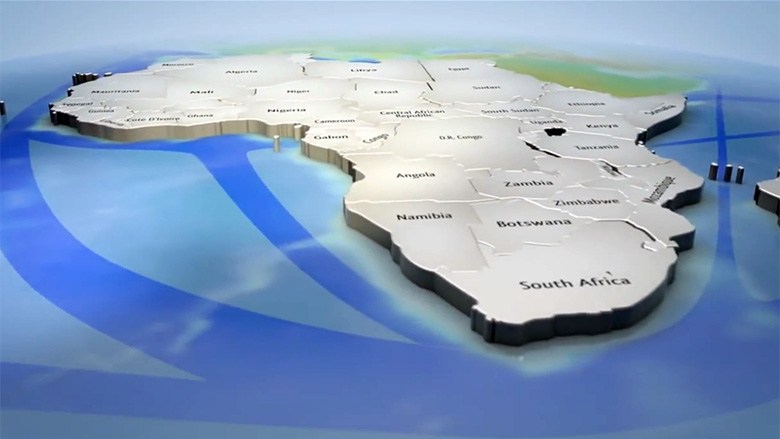
A surge in population, rapid urbanisation, the adoption and absorption of new technologies, as well as the continued unlocking of abundant resources and the deepening of the continent’s financial sector are five prominent trends that are expected to propel Africa’s on-going economic reinvigoration in the next four decades. Democracy and a vibrant free enterprise are growing, making Africa a promising emerging market. Governments are shifting the negative international perception by improving the business climates. The continent is known for its abundance in natural resources, which include 90 per cent of the world’s platinum, 50 per cent of the world’s gold,70 per cent of the world’s coltan (which the majority of cell phones around the world use) and 30 per cent of the world’s diamond reserves. It is also the second largest and second most-populous continent. As the global attention shifts towards Africa and other emerging markets as centres of future growth, experts believe business and trade will be crucial to the continent continuing to realise its economic growth potential. Sub-Saharan Africa’s population is expected to explode to 2-billion by 2050, which will result in more than a fifth of the world population being African. As a result, Africa’s population will become much younger and more affluent. This major demographic shift will provide an array of opportunities and challenges, and the continent’s economic. When coupled with robust economic growth, population growth will support the emergence of the continent’s consumer base – providing support to local firms, creating economic opportunities, and attracting foreign investment. For countries able to provide the necessary institutional support, a youthful, and rising, population has the potential to yield a demographic dividend, specially in Africa’s services and manufacturing sectors. More than half of Africa’s population will be living in urban areas by 2030 as the continent’s economy continues to advance. By 2050, more than 60 per cent of the 2 billion people expected at the time will be urbanised. This means that 800-million Africans will either migrate to or be born in urban areas in the next four decades. African urban household incomes are more than double rural incomes. Mobile phone subscriptions, internet and social media usage in Africa are expected to continue to surge to record levels in the next five years as the continent’s people vigorously embrace communication technologies. The availability and affordability of mobile and broadband services can, as it already has in key markets, support economic growth and provide one of the means through which will fuel Africa’s human capital advantage. With food expected to become the “new oil” of the 21st century, Africa’s agricultural output is set for explosive growth in coming decades as the continent’s largely untapped potential gains elevated attention. While Africa is known for its dominant share in a number of core commodities, such as platinum, chrome and cobalt that are in great demand, agriculture is also expected to feature prominently as a key driving force in the continent’s resurgence. In the near future, Africa’s agricultural fortunes are poised for a big change. There could be a doubling in African agricultural output within the next decade. Urbanisation and rising incomes are bringing more people in reach of financial institutions, and, in so doing, giving a formal identity to swathes of the continent’s young and aspirant population. Meanwhile, technology and pioneering innovative business strategies are allowing the financial sector unprecedented reach. All in all, Africa’s businesses are becoming increasingly attractive for local and foreign investors – and as a result, Africa’s traditionally illiquid stock markets are growing, and private equity funds are elevating in both size and stature. A recent survey identified 17 African countries that will offer attractive Foreign Direct Investment (FDI) opportunities in the next five years. East Africa Ethiopia Ethiopia was among the 10 fastest growing economies in the world over the past decade. Its gold mines, and the potential to exploit recently found natural gas reserves (currently 25 billion cubic metres) will attract significant amounts of investment over the next few years. Rwanda Relative to its African counterparts, Rwanda’s resource endowment is poor; the country has no significant natural resource, and its labour force is small and poorly educated. But offsetting these negatives is Rwanda’s institutional environment. The government has actively tackled corruption in recent years, and the business environment is extremely friendly. Significant investment has been made to improve infrastructure. Democratic Republic of Congo The DRC’s oil and mineral reserves are among the riches in Africa, and the sheer potential will continue to attract foreign investment, particularly as demand in the developed and emerging markets rises and capacity constraints are met by other producers. Kenya Kenya probably has the most highly developed economy in East Africa. It has a relatively well-educated and rapidly growing labour force, and is most often used as a hub by multinationals looking to develop East African markets. Tanzania Driven by the rising price of gold that has increased 75% over the last three years, Tanzania’s gold reserves will continue to attract investor interest over the medium term. The country’s relatively well-educated labour force, coupled with political stability and the government’s sound macroeconomic management of the economy, will add to Tanzania’s attractiveness. Uganda Uganda’s vast mineral resources and a recent discovery of oil will attract significant amounts of investments. The country’s relatively well-educated labour force, low levels of bureaucracy and diversified economy will attract funds into the labour-intensive service sector too (e.g., communications and financial services). Southern Africa South Africa South Africa’s substantial natural resource endowment will continue to attract investors, and its comparatively well-educated labour force will draw funds into the non-resource sectors of its diverse economy. Coupled with this, the domestic market is among the largest in Africa, the population is the richest on average (although extreme income inequality means that many people remain in poverty) and the institutional environment is relatively conducive to business. Angola Angola's FDI attractiveness is expected to rise between 2025–2050, driven by the "Angola 2050" long-term strategy, which aims to diversify the economy away from oil towards agriculture, mining, and tourism. Key drivers would include infrastructure projects like the Lobito Corridor, privatization efforts (PROPRIV), and a shift toward private-sector-led growth.. Angola’s oil and mineral reserves will continue to be the main attraction for investors over the next five years. Enriched by the oil wealth, the country’s growing middle class will also be attractive to investors looking for new markets. Mauritius Mauritius has a well-developed infrastructure network, a highly educated workforce, a comparatively high level of income and low levels of bureaucracy, all of which are attractive to investors. Slightly offsetting these positives are labour market rigidities; in particular, the centralised wage-setting mechanism and high levels of inequality. Mozambique Mozambique’s key attraction for investors is the recently established natural gas reserves, which already stand at over 127 billion cubic metres. Coupled with this, significant improvements are being made to the education system and the country’s infrastructure. Mozambique was one of the 10 fastest-growing economies in the world over the past decade, and this growth is likely to be sustained for the foreseeable future. Zambia Zambia’s copper mines will continue to attract investors with global demand expected to keep prices high. West Africa Nigeria Nigeria’s oil reserves will continue to attract funds and a large proportion of FDI will be concentrated in this sector. However, the large domestic market and diversified economy mean other sectors such as communications, real estate and tourism will also attract attention. Ghana Ghana has a sizable resource endowment, including substantial mineral, gas and oil reserves. Oil and gas industries will contribute to the majority of FDI flows. Increasing oil revenues should indirectly boost other sectors. This is particularly true of infrastructure. Ghana benefits from a stable political environment, with democracy well established and adhered to. Senegal Senegal has a sizable resource endowment, and its mineral resources make it an attractive location in which to invest. Continued investment in mineral extraction will contribute to the majority of FDI flows. Senegal also benefits from a stable political environment, with democracy well established. A range of economic reforms have fostered a stable macroeconomic environment. North Africa Egypt Egypt oil production is expected to fall as reserves mature and run dry, but the fossil fuel sector is still expected to attract investors over the next five years. Bigger attractions for investors are Egypt’s large, relatively well-educated population, sizeable domestic market and proximity to Europe. Morocco Morocco’s oil reserves provide some pull for investors, but its well-educated, relatively cheap labour force is its prominent resource. Coupled with this, the country’s proximity to Europe and recently signed trade agreements with the EU and the US, make it an attractive location for multinational companies looking to service the lucrative market within the EU. These attractions are underpinned by good governance and sound macroeconomic policies. As a result of these positives, Morocco is expected to attract significant amounts of FDI over the next five years, with the expected focus of FDI inflows being in labour-intensive industries, such as tourism and construction. Tunisia Although Tunisia’s oil reserves are modest, global capacity constraints mean they will continue to be attractive to investors in the near future. A potentially more attractive resource at the country’s disposal is its highly skilled labour, especially when it is coupled with Tunisia’s proximity to the lucrative EU market. And although the domestic market is small, the country’s well-established infrastructure network, good economic governance and business environment make it an attractive location for multinational companies.

The burgeoning construction sector in many African countries has harbingered good times for companies manufacturing construction machineries and equipment as well as those selling used and refurbished heavy equipment and machinery. The appreciable increase used construction machinery in real estate and construction activities in African countries has resulted in a substantial surge of demand for concrete mixers, bar-bending and cutting machines, excavators and backhoes and earth rammers. UAE-based Arabian Jerusalem Equipment Trading Company, a prominent dealer of new and used construction machinery has registered a considerable increase in the sale of excavators and backhoes to African countries. “All our machineries are selling really well. We have registered a 30 per cent increase in our net sales to the African continent,” said Ehab Murad, managing director of Arabian Jerusalem Equipment Trading Company. The construction machinery industry in Africa, worth approximately US$9,00 million is undergoing a steady transformation by moving from a low volume, intensive use of equipment structure to high volume, specific use one. In the coming years, the major segments of construction machinery that are expected to grow are excavators, loaders, dozers, dumpers and cranes, say industry analysts. “The rapid growth in the overall economy of many African countries has accentuated the need for improving infrastructure. Governments, development authorities and even companies have begun investing in infrastructure development projects in several African countries. Moreover, many African governments have invested heavily in irrigation and mining projects across the continent. All these factors have contributed immensely to the increased use of construction machinery,” says Ehab Murad. © document.write(new Date().getFullYear()); Africa Business Pages. All Rights Reserved. UNRESERVED AUCTIONS Unreserved auctions managed by internationally acliamed companies have also benefited from the flurry of activity in the construction, mining and irrigation sectors in many African countries. Many auctioneers of used and refurbished machineries are riding the boom wave with many bagging orders from African countries. Most of them have managed to bag substantial orders from Africa with many registering as high as a 20 per cent increase in sales to African nations. “Many construction majors working on African projects have really opened the markets in Africa for us,” says Keith Lupton, who has worked in the industry for over 40 years in Dubai. “We are getting steady orders from these companies to supply machinery and equipment for their projects in Africa. In recent times, we have supplied contruction machinery to Zambia, tower cranes to Mauritania, general contruction equipment to Djibouti (worth over $400,000) and general agriculture and contruction machinery to Equitorial Guinea,” he says. “We have also been getting regular enquiries from real estate contractors and construction companies in many East African countries like Uganda, Tanzania and Kenya. Not to mention the steady increase of demand from South Africa,” says Keith Lupton. “Demand for later model caterpillars and rough terrian cranes has been specially strong from Africa,” he says. RIPPLING EFFECT & RECENT DEVELOPMENTS The boom has started a rippling effect touching various other spheres of activity that are not directly related to the construction industry. Manufacturers of ancillary products such as crane ropes, cables, pulleys and buckles too are benefited from the boom. The global construction equipment market is experiencing robust expansion, with the Middle East and Africa regional market alone estimated to reach USD 9.0 billion in 2026 and projected to surpass USD 13.13 billion by 2031 at a strong CAGR of 7.83%. Earth moving machinery continues to account for the highest market share, driven heavily by excavator sales. Increasing demand for large and mini excavators, backhoe loaders, and other heavy construction equipment from developing nations is pushing rapid market growth. While Chinese domestic sales saw fluctuations in previous years, China has dramatically rebounded in overseas markets, with construction machinery exports to Africa surging by an astonishing 77% in early 2026. The concrete and road construction machinery segment is also anticipated to grow substantially as widespread transport corridors are mapped out. Truck-mounted cranes have been in great demand in the material handling machinery market in recent years, owing to better product design and easy mobility. These all-terrain cranes are useful in almost all working conditions especially in small to medium sized construction projects scattered across many African countries. Concrete and road machinery include equipment such as asphalt pavers, rollers, and transit mixers used in road development. Road construction projects are anticipated to be a key driver for this product segment. For instance, major road projects are underway in many east African countries like Tanzania, Uganda, Kenya and Ethiopia. Among excavators, loaders, and other such earth moving machinery segments, the excavator is anticipated to capture the highest market share moving towards 2030, with over 37% of regional demand dedicated to them. Demand for loaders is expected to boost owing to increased requirement from Chinese and African markets. Demand for other earth moving equipment such as dozers are anticipated to grow at very high pace, owing to high demand from mining sector in Africa. Latest Trade and Market Shifts: Trade dynamics have heavily shifted towards specialized and eco-friendly machinery, although heavy-duty diesel earthmovers still dominate. Key markets such as Ghana, South Africa, and the Democratic Republic of the Congo remain the undisputed leaders in equipment importation, collectively accounting for nearly half of the continent's consumption. Ghana, in particular, has registered explosive growth in engineering and heavy machinery imports—reaching an over 42% compound annual growth rate over the last decade—fueled by aggressive government infrastructure policies and mining expansion. Concurrently, international trade hubs and regional exhibitions are bridging the gap between global manufacturers and local contractors, accelerating the modernization of Africa's construction capabilities. Mega-events such as Buildexpo Kenya and the Africa Build Show facilitate direct B2B networking, allowing regional importers critical access to the latest smart technologies, telematics-integrated machinery, and compact housing loaders tailored to Africa's rapidly urbanizing townships. “We do not cater to the construction industry directly, but that does not limit us to supply crane ropes and shackles to many construction companies. A lion’s share of our orders these days come from construction companies,” sums up a leading manufacturer of crane cables and pulleys in the UAE. Did You Know? Excavators accounted for over 37% of regional construction equipment revenue in 2025/2026. Chinese exports of construction machinery to the African continent soared by 77% in early 2026, marking a significant market pivot. Ghana has become one of the fastest-growing consumers of heavy machinery globally, registering over 40% growth in equipment imports in recent years.

Angola: The Rising Star of Africa
folder_open Business Outlook
Angola has transformed dramatically over the past two decades, transitioning from a devastating civil war into one of Sub-Saharan Africa’s premier oil-driven economies. Following the historic 2002 peace deal, the nation embarked on a massive, internationally funded reconstruction program. Today, Angola boasts a rapidly modernizing economy, a prominent regional diplomatic profile, and a capital city, Luanda, that serves as a bustling hub for international investment. The physical transformation of the country has been immense. Oil revenues and infrastructure loans have bankrolled ambitious national projects, completely overhauling the network of roads, airports, bridges, hospitals, and schools. Once-productive agricultural fields have been cleared and revitalized, while historic industries like coffee and cotton are seeing a modern resurgence. Latest Economic Developments Following a robust recovery in 2024 with real GDP growth reaching 4.4 percent, Angola's macroeconomic outlook into 2026 remains resilient. The government is successfully consolidating macroeconomic stability under IMF-supported frameworks, steadily reducing the public debt-to-GDP ratio while simultaneously increasing critical health and social spending. Furthermore, recent monetary policy adjustments have streamlined liquidity management and successfully eased inflation, creating a far more predictable and secure environment for foreign direct investment. The energy sector continues to be the backbone of this expansion. In early 2026, Azule Energy identified roughly 500 million barrels of oil in Block 15/06, injecting immense confidence into the offshore exploration market. Major upcoming developments, such as TotalEnergies' $6-billion Kaminho deepwater project—slated to begin production in 2028—ensure that Angola remains a world-class frontier for energy production. Concurrently, the state-owned Sovereign Wealth Fund (Fundo Soberano de Angola) is aggressively deploying capital into domestic infrastructure and hospitality, ensuring that oil profits actively diversify the economy and secure the nation's post-petroleum future. Angola Real GDP Growth - Overview Data Source: IMF World Economic Outlook | © Africa Business Pages Urban Expansion and Global Trade Luanda is a city characterized by intense, rapid development and stark economic contrasts. Driven by the tide of petrodollars surging into the port, real estate costs in the capital remain some of the highest globally. High-end, multi-million-dollar residential and commercial high-rises dominate the skyline, catering to an influx of expatriates and international executives. To address the resulting housing disparity, the government is currently rolling out massive, subsidized urban renewal projects to upgrade infrastructure and sanitation in the sprawling informal settlements surrounding the urban core. China remains one of the primary partners in Angola’s rapid development, guaranteeing extensive infrastructure construction in exchange for petroleum production. Today, Angola stands as the second-largest oil producer in Sub-Saharan Africa and is the premier supplier to China. However, global superpowers and investors from Europe, Asia, and the Middle East are also increasingly flocking to Angola, eager to establish footprints in telecommunications, retail, and agro-processing as the market steadily liberalizes. To accommodate this massive influx of global business, Luanda’s aviation and port infrastructure has been fundamentally transformed. International carriers are scaling up operations, linking Angola directly to major global transit hubs and effectively opening the doors for unprecedented cross-border commerce. Did You Know? The Diamond Giant: While famous for oil, Angola is also the fourth-largest producer of diamonds in Africa, frequently unearthing massive, world-class flawless stones from its Lulo and Catoca mines. The Lobito Corridor: A massive, multi-national railway project backed by international investors is currently connecting Angola’s Lobito Port to the mining heartlands of the DRC and Zambia, transforming regional logistics. Kalandula Falls: Angola is home to the spectacular Kalandula Falls, one of the largest and most powerful waterfalls by volume on the entire African continent. A Youthful Boom: Over 65% of Angola’s rapidly growing population is under the age of 25, representing a massive demographic dividend for future consumer markets and digital adoption. Lusophone Leader: Angola is the second-largest Portuguese-speaking country in the world by total land area, surpassed only by Brazil.
Africa's Internet Explosion
folder_open Business Outlook
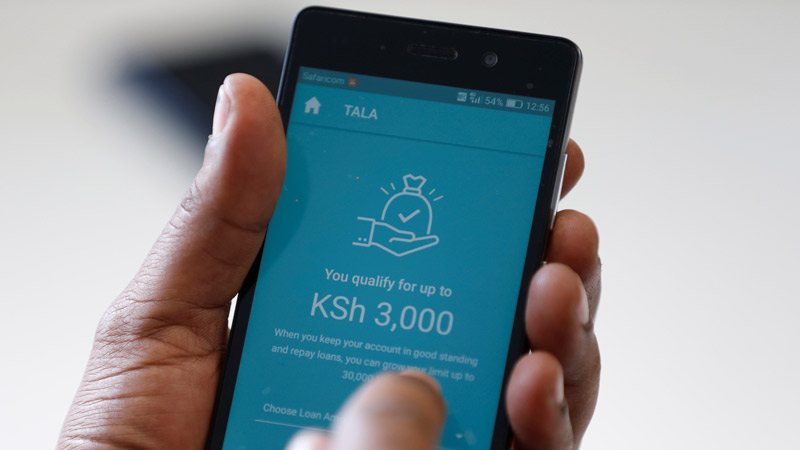
While it is still far behind most of the world, African connectivity has exploded over the past decade. International and pan-African telecommunication operators have invested in information and communication technology (ICT) infrastructure to improve connectivity and cut costs for both operators and end users. The African continent now boasts nearly 10 per cent of the world’s Internet users, and more than one-third of the continent’s population have Internet access. Along with Internet access, Africa has also seen tremendous growth in access to mobile technology. The GSM Association reports that Sub-Saharan Africa has more than 600 million unique subscribers and will become the fastest-growing region in the world, with a compound annual growth rate of 7 per cent through 2030. In the same period, overall penetration is expected to increase to 79 per cent, with smartphone connections increasing to over 800 million by 2030. As high-speed Internet becomes more prominent and the cost of smartphones and tablets declines, the better ICT infrastructure and access to technology can further transform the way people and businesses function across the region. With little landline infrastructure, mobile technology quickly became the first choice for phone communication in many African countries. The technology was then applied to solve other challenges. A Kenyan-based company, M-Pesa, which provides financial services using a mobile phone platform, processes nearly $1.5 billion of transactions per month for over 12 million active users. The platform has expanded to provide a “pay-as-you-go” service called M-Kopa, which allows millions of people living outside the reach of a reliable electrical grid in Kenya, Tanzania, and Uganda to move from using kerosene directly to solar-powered energy. Technology is also being used to create innovation in the health, education, and agricultural sectors. For instance, mPedigree, a technology company based in Ghana, developed an app and portal to protect consumers from products that may be counterfeit such as medications. Schools in Kenya are increasing literacy through e-readers and tablets charged by solar panel systems. And smallholder farmers are adopting advances in agricultural biotechnology to increase crop production, including maize, soybeans, and cotton. Currently, crops engineered to be disease resistant, increase yield, or repel insects are grown in South Africa, Burkina Faso, and Sudan, with additional crops being tested in seven other African countries. In retail, Nigerian-based Mobile Media Infotech Limited backed by a US mobile payment platform provider, has introduced M-Iflo, which acts as a payment intermediary between mobile wallet providers and online merchants. More than 200 innovation hubs, technology labs, science and technology parks, incubators, and accelerators in over 30 African countries provide a boost to continued innovation and entrepreneurial activity.s.

For decades the only news reported about Africa was bleak, creating a singular and distorted image of the continent. Terrorism, famine, political corruption, and the proliferation of diseases dominated the international media, driving negative perceptions of Africa. Today, however, brighter, data-driven, and highly varied narratives have entirely rewritten those perceptions, unveiling the continent as the world's most dynamic emerging market. Africa is the second-largest continent in the world, with a total landmass greater than the United States, Europe, India, and China combined. There are 54 sovereign countries, each with its own unique identity and varying economic, social, and political structures. Over 1.5 billion people now live on the continent of Africa, with Nigeria firmly topping the list as the most populous country with more than 230 million citizens. English, Arabic, French, and Portuguese serve as official or co-official languages in every country, intertwined with thousands of indigenous languages such as Swahili and Hausa that are widely spoken in regional commerce. Of the non-native languages, English commands the largest footprint, boasting approximately 700 million speakers across the continent. The climatic and ecological regions shaping Africa mirror the massive diversity of its people. Though the continent is home to the largest hot desert on earth—the Sahara, which stretches across 10 countries in North Africa—it also claims 500 million acres of tropical forest in the Congo Basin and holds an estimated 60 per cent of the world’s remaining uncultivated arable land, positioning it as the future breadbasket of the globe. Latest Developments Transforming Africa The most monumental economic shift currently reshaping the continent is the operational maturity of the African Continental Free Trade Area (AfCFTA). As the largest free trade area in the world by the number of participating countries, the AfCFTA is actively dismantling historical tariffs and cross-border bureaucracy. Intra-African trade is currently experiencing a historic boom, allowing local manufacturers and agribusinesses to scale across borders and reducing the continent's reliance on external imports for basic goods and commodities. Simultaneously, Africa is experiencing a technological renaissance. The continent has leapfrogged traditional banking infrastructure, becoming the undisputed global leader in mobile money and fintech innovation. Tech hubs in Lagos, Nairobi, Cape Town, and Cairo are securing billions of dollars in international venture capital, developing sophisticated AI-driven solutions for healthcare, agriculture, and decentralized finance that cater specifically to the continent's vast, unbanked populations. On the global stage, Africa has become the critical linchpin of the green energy transition. The continent holds over 30% of the world's critical mineral reserves, including massive deposits of lithium, cobalt, and copper essential for manufacturing electric vehicle (EV) batteries and renewable energy storage systems. Countries like Namibia and Morocco are also pioneering multi-billion-dollar green hydrogen mega-projects, shifting the dynamic from raw resource extraction to high-value, localized industrial processing. Finally, unprecedented infrastructure mega-projects are physically connecting the continent like never before. From the expansion of the Lobito Corridor railway linking Atlantic ports to the mineral-rich heartlands of the DRC and Zambia, to the unveiling of massive deep-sea ports like Lekki in Nigeria, logistics bottlenecks are being aggressively eliminated. This rapid industrialization ensures that goods, services, and human capital can move with unparalleled efficiency. Africa Population Growth (2000 - 2050) Data Source: United Nations Population Division | © Africa Business Pages While unique regional challenges still exist, Africa is universally recognized as the premier source of global economic opportunity. The economies of many African countries are growing at unprecedented rates, following the explosive trajectories of other fast-paced emerging markets such as China and India. African countries offer unparalleled opportunities to access a group of markets with burgeoning economies and rapidly expanding middle classes. The populations in these countries have diverse and increasing needs. Most nations are aggressively developing industries far beyond traditional extractive sectors—ranging from fast-moving consumer goods (FMCG), manufacturing, and transportation to financial services, telecommunications, and biotechnology. As African markets continue to diversify and increased capital flows in from multiple global channels, a broader range of industries will present highly lucrative options for investment and expansion. Rapid growth is occurring across the board, generating incredible opportunities for agile, mid-sized companies. The time to access this massive, growing market is now, while there is significant latent demand and highly rewarding returns on investment. Did You Know? The Youth Dividend: Africa boasts the youngest population in the world, with a median age of roughly 19 years old, positioning it to provide the largest global workforce of the 21st century. Massive Trade Zone: The African Continental Free Trade Area (AfCFTA) is the largest free-trade area in the world by the number of participating countries, uniting 54 nations. A Mobile Money Giant: Africa accounts for nearly 70% of the world's total mobile money transaction value, handling over $800 billion annually through platforms like M-Pesa. Unmatched Mineral Wealth: The continent contains an estimated 30% of the earth's remaining mineral resources, including the vast majority of the world's platinum, cobalt, and diamonds. Incredible Linguistic Diversity: There are over 2,000 recognized languages spoken across the African continent, representing approximately one-third of all the languages spoken in the world.

How to Succeed in the African Market
folder_open Business Outlook
Finding the right customers in the African market can be a time-consuming process. Being such a large continent, with as many as 53 countries, marketing one's products and services in African markets is indeed a challenging task. However, for a successful marketing effort, it is imperative to identify and associate with reliable and efficient business partners in key African countries. There are a number of ways to go about identifying potential trade partners. A good starting point is via an organisation that specialises in marketing and business promotion in the African markets. Such organsations have not only the necessary experience and expertise, but also the right contacts to help you in your marketing efforts. Another useful tool to search for business associates in African countries is the Internet. Although the internet is not as widely used in many African countries as it is in the developed world, it nevertheless provides you with an opportunity to search for your business counterparts in several African countries. Dedicated websites like the Africa Business Pages (www.africa-business.com) provide useful information for those looking for business contacts in the African continent. In fact, Africa Business Pages is the only Africa-related website that offers downloads of most African Business Directories that can help you directly contact your potential business partners in African markets. However, before you launch yourself into a "search-and-target" operation, here are some pointers that will help you understand the mechanisms of the African markets and help you choose the right business partner for yourself: Manufacturer Large industrial companies or specialist manufacturers will often purchase their requirements directly from producers. This is especially the case for specific machinery or equipment or for bulk users of raw materials. Most industrial sectors in African countries are dominated by a few very large, diversified groups, although the current trend towards smaller, more focused groups of operating companies has seen the unbundling of many of these large corporations. These large companies are however very important, not only because of their size and diversity but because they are significant end-users of raw materials and capital inputs. Each group will have their own procurement systems to deal with imports and raw materials. This could be an in-house import department or the existence of an import company for the group that operates independently to supply the parent company and other customers. In addition to the large groups, there are numerous smaller manufacturing companies who may engage in direct procurement of certain raw materials and machinery. Wholesaler Where there is no specialist importer or distributor for your specific product, you may need to sell directly to a wholesaler who services your market. A wholesaler does not usually have exclusive selling rights. Wholesalers play a very important role in the distribution system in African markets, in particular in supplying independent retailers and informal operators. Certain larger wholesalers in Africa are also utilised extensively by retailers in neighbouring countries who will visit the wholesaler on a monthly basis to procure their requirements. For certain products, particularly in the food sector, the major importers also operate as wholesalers. A further feature of the wholesale sector is that the large wholesalers are often owned by one of the major retail groups. Retail Large retail stores may also buy products directly from an overseas supplier. This is most often the case when there is exclusivity on a line such as a particular range of linen, clothing or kitchenware. Of growing importance in the African market is the existence of house brands that are manufactured specifically for a retailer under their own label. A number of house brands available in many African retail outlets are imported from Asian countries. A salient feature of the retail sector in Africa is that it operates within a very competitive marketing environment. As a result, a few large groups dominate the retail sector. For example, in South Africa there are four major retail groups that dominate the foodstuff business, accounting for well over half of the formal retail sector. In addition to the major chains and groups, there are a large number of independent retailers who cater to their own segments of the market. Once a list of potential partners has been identified using trade directories and other inputs, it is then necessary to contact each of the companies to assess their interest in doing business with you. It is advisable to get a specialist organisation to do this on your behalf, as the process can be very time-consuming. It is advisable to mail your company’s corporate brochure along with an indicative price list to your targetted business partners in Africa. An increasing number of companies are also using the internet to make contact with their business counterparts in many African countries. E-Mail marketing is thus emerging as a major tool in the promotion of direct trade. However, it is worth reiterating the value of an in-market visit to establish contacts with prospective partners. As an exporter, you need to plan a visit to a market for a number of reasons. Initially this is an ideal way to meet potential importers of your product and to discuss conditions for payment and other business modalities. A visit to your targetted market also helps you to get an understanding of the way the market operates, what the market characteristics are, what your competitors are doing and whether or not their product is going to compete in terms of quality and price. Lastly, since international travel is expensive, you need to plan your visit carefully so that you maximise your time in the market. However, before you finalise any agreement with an agent or distributor for your products in any African country you need to study a few things. First and foremost, you need to appoint an agent who knows your market well. Most of the business sector in African countries is relatively small and companies have established methods of procurement that differ from one sector to another. One tends to find that there are relatively few agents who serve a particular sector on an exclusive basis, but, because they are well established within the sector, they deal in many other sectors. For instance, a reputed foodtuff importer in Uganda may also be a major importer of automobile spare parts like tyres, batteries and ball bearings. You also need to consider the aspect of regional distribution. Africa is a large continent with as many as 54 countries. The smaller agents will tend to operate provincially, as they do not have the infrastructure or the wherewithal to support operations in other provinces or countries. If you decide to go this route you may need to appoint an agent in each of the larger cities in order to cover all the major provinces. The larger companies who take on agencies will often have an office in each of the major cities in the region thereby making any agency agreement easier to control. For certain products and services countries like Kenya, South Africa, Ivory Coast are known as trading hubs for their respective regions. You need to consider whether your African agent should handle business in the entire region on your behalf or whether he should concentrate on his country alone. SOME SUGGESTIONS Understand the areas of need and high profit. Consult with the Chamber of Commerce, the Embassy, or traders in the country of your interest. Educate yourself about Africa from sources other than the Discovery Channel. Get information about your business interest from Chambers of Commerce or business consultants. Develop a sound business and marketing strategy. Identify reliable business partners in Africa either by yourself or through the Chamber of Commerce or the relevant Embassies. Visit the location if you intend to establish a company or an outlet. Follow up on every arrangement to make sure that conditions and terms are fully understood and are being implemented. Arm yourself with a lot of patience and keep an open mind because communication and correspondence from Africa may not flow as smoothly or as fast as you may expect. Understand the cultural environment of the African country in which you intend to do business. Use a consultant, especially those that have a real understanding of Africa. Be mindful of the three Ps of African business: Pensiveness, patience, and perseverance. Pensiveness demands the use of common sense. Success demands a lot of patience. Above all, you must persevere and be persistent but polite. Beware of pitfalls. Lucrative as it may be, the African market is not without pitfalls. Keep your guard up and insist on cash transactions as far as possible. • Add your company to the Advertising Section of the Africa Business Pages. The Advertising Section will carry a full-page editorial about your company as well as two pictures of your company's products. In addition to this, your company will also be provided with a direct link in the Business Links section. By promoting your company on the Africa Business Pages you can reap rich dividends. An absolute essential for those targetting the African market. Browse through some samples before taking a decision. Post your business proposals on the African Classified Advertisements section. An ideal way to get direct responses from your business counterparts in African countries. Employing the growing influence of Internet technology to promote your business in international markets is one of the most simple and effective promotional tool for forward-looking enterpreuners. Simply post your message and wait for the results. Simple! • Download the Africa Business Directory from the Africa Business Pages. The African Business Directories list importers, traders and wholesalers in many African countries and cab help you reach your potential business partners in African countries from the convenience of your desktop.

The Textile Industry Of Mauritius
folder_open Business Outlook
The textile industry is widely considered the major catalyst of the Mauritian Industrial Revolution. For the past four decades, the Mauritian apparel sector has spearheaded the structural transformation of the nation's economy. Acting as the primary engine of economic growth, it has consistently attracted Foreign Direct Investment (FDI), created vast employment opportunities, and fortified the island's robust manufacturing base. The Mauritian textile industry has evolved remarkably, transforming from a basic producer of high-volume goods into a highly sophisticated, vertically integrated supplier of design-led, premium garments. Today, Mauritius exports to the major fashion markets of the world, namely Europe, the USA, and South Africa. The local industry is uniquely geared to face the challenges of a hyper-competitive, liberalized global marketplace by providing agile, rapid-response solutions adapted to the exact needs of international buyers. The Mauritian textile landscape consists of a diversified base of high-tech manufacturers capable of catering to a wide spectrum of buyers, offering exceptional flexibility in terms of price points, volumes, and specialized production runs. Leading entrepreneurial manufacturers in Mauritius have accumulated such profound expertise that they are actively investing in additional production units in neighboring countries. This strategic regional transfer of Mauritian textile expertise—leveraging relatively low labor costs in mainland Africa while maintaining executive design and quality control in Mauritius—has turned the island into the undisputed textile hub of excellence in Southern and Eastern Africa. Mauritius Textile & Apparel Exports (USD Millions) Data Source: Industry Export Projections | © Africa Business Pages Latest Trade Developments: Sustainability and Smart Manufacturing As the global fashion industry faces intense scrutiny over its environmental footprint, Mauritius has aggressively positioned itself as a pioneer in Sustainable and Ethical Manufacturing. Moving into 2026, leading Mauritian textile mills have heavily integrated "green" technologies, including zero-liquid-discharge (ZLD) dyeing facilities, solar-powered factory floors, and the extensive use of organic, recycled, and traceable yarns. Furthermore, Mauritius is maximizing its strategic trade agreements. The industry is leveraging the African Growth and Opportunity Act (AGOA) to maintain duty-free access into the United States. Simultaneously, local manufacturers are capitalizing on the African Continental Free Trade Area (AfCFTA) to tap into Africa's booming, fashion-conscious middle class. Main Products High-End T-Shirts & Polos Lingerie & Loungewear Formal & Casual Shirts Performance Sportswear Trousers & Premium Denim Kidswear Luxury Pullovers & Knitwear Beachwear & Swimwear Global Brands Mauritian factories are trusted partners for labels including: Levi’s, Calvin Klein, Tommy Hilfiger, Zara, Guess, Massimo Dutti, Victoria’s Secret, Puma, Abercrombie & Fitch, Mango, Harrods, Banana Republic, Express, Esprit, S.Oliver, Hackett, Woolworths, Foschini, Topshop, and L.L. Bean. Did You Know? The Denim Capital: Mauritius is globally renowned as a center of excellence for luxury denim manufacturing. Vertical Integration: Many Mauritian factories handle everything from spinning raw yarn to final packaging. Green Energy Shift: Leading factories now operate entirely on renewable solar power and biomass energy. Duty-Free Access: AGOA allows Mauritian apparel duty-free entry into the United States market.

Eritrea is on a quest to build its nation with sweat and strategic partnerships, heavily emphasizing long-term self-reliance. Though impoverished by its long war for independence, Eritrea is rich with spirit, resourcefulness, and immense geological wealth. Since winning their independence, Eritreans have turned their energies inward, rejecting any outside interference that does not move them further toward political and economic autonomy. A shining historical symbol of those watchwords is the Eritrean government's endeavor to rebuild the 73-mile railroad running from the strategic Red Sea port of Massawa across the desert and up through the mountains to the cool highlands of the capital, Asmara. Rather than borrow hundreds of millions of dollars from foreign banks to fund the reconstruction, the government successfully mobilized its own citizens—calling former railroad mechanics out of retirement—to rebuild the infrastructure and secure crucial domestic logistics arteries. Latest Economic Developments Today, Eritrea’s macroeconomic framework is undergoing a significant transformation, heavily anchored by its booming mining sector. Following a stabilization period, real GDP growth accelerated to 3.2% in 2025 and is projected to hold steady at 3.3% through 2026. This positive economic trajectory is driven primarily by the ongoing development of the massive Colluli potash mine in the Danakil Depression. Boasting approximately 1.08 billion tonnes of ore, Colluli is structured as a 50-50 joint venture and is slated to become one of the largest sulfate of potash producers globally, significantly boosting national export revenues and foreign exchange reserves. In addition to new mining investments, the broader economy is benefiting from a stabilization of global commodity prices. Inflation has eased considerably down to around 5% in 2025, providing much-needed relief to households relying on imported food and fuel. Backed by solid copper, zinc, and record-high gold exports from the Bisha mine, the country maintains a strong current account surplus. Moving forward, the government is focusing on modernizing its power generation grid and leveraging its strategic Red Sea coastline to attract targeted foreign direct investment that aligns with its strict terms of national sovereignty. Eritrea Real GDP Growth (2023 - 2030) Data Source: World Bank / IMF Projections | © Africa Business Pages The Dubai Connection: Gateway to East Africa The United Arab Emirates has long served as a primary supplier of goods to Eritrea, acting as a crucial logistical bridge for the region. Because of Eritrea's geographical proximity to the Arabian Gulf and its direct control over key Red Sea ports like Assab and Massawa, Dubai-based traders ship containerized goods directly to Eritrea, which are then distributed to massive neighboring markets like Sudan and Ethiopia. Currently, Eritrea's domestic manufacturing base remains heavily focused on localized consumption—including food processing, textiles, and basic consumer goods. As a result, the country remains highly dependent on imported raw materials, spare parts, and specialized machinery. This supply gap makes Eritrea an ideal, highly receptive trade partner for wholesale distributors operating out of UAE free zones. How to Promote Your Products in African Markets Eritrea is a developing market with vast, untapped opportunities for trade and B2B commerce. Though relatively small in population, its position as a strategic transit hub cannot be underestimated. For global traders looking to penetrate this market, utilizing digital avenues is the most efficient strategy. By posting your business proposals on the African Classified Advertisements network, you can generate direct inquiries from business counterparts without the need for expensive, long-winded promotional campaigns. Employing simple, direct B2B digital marketing is one of the most effective tools for forward-looking entrepreneurs operating in the Horn of Africa. Additionally, you can directly access active buyers by utilizing the Africa Business Directory. This platform provides verified contacts, allowing you to assess local market conditions and successfully introduce your manufactured goods to the Eritrean market. Finally, establishing a digital profile in the Advertising Section of the Africa Business Pages guarantees high visibility, granting your brand instant credibility and direct inbound links from African importers. Did You Know? The Potash Giant: The Colluli mine in Eritrea contains over 1 billion tonnes of high-grade potash ore. It is expected to become one of the world's most critical sources of fertilizer for global agriculture. Red Sea Control: Upon gaining independence, Eritrea retained Ethiopia's entire former coastline along the Red Sea, effectively landlocking Ethiopia and securing control over over 1,000 kilometers of prime maritime territory. A Modernist Marvel: The capital city of Asmara is a UNESCO World Heritage site, globally celebrated for its perfectly preserved, impeccably maintained Italian modernist and Art Deco architecture from the 1930s. Mining Dominance: The mining sector is the absolute backbone of Eritrea's formal economy, generating the vast majority of its export revenue through the extraction of gold, copper, and zinc. Zero Traffic Lights: Asmara is one of the only capital cities in the world that operates completely without traffic lights; motorists and pedestrians navigate the orderly streets through mutual courtesy and hand signals.

Sweeping economic reforms in many African countries have turned the world's attention towards Africa as conditions in many African countries are beginning to become more conducive to business development. Positive moves and policies adopted by many African governments have played a significant role in promoting Africa as a viable business partner in the global market. Exchange rates have been liberalised; restrictions on imports have been removed; tariffs are being reduced; price controls on agricultural products and manufactured goods have been removed; steps have been taken to address the financial stress on banks; and economic growth has picked up to around 4 per cent overall for the continent. All these factors have contributed in the development of a thriving local and international business community within Africa. The United Arab Emirates, a traditional trade partner of Africa, has been one of the main beneficiary of the economic rennaisance sweeping through Africa. Geographical proximity and well established business contacts have helped UAE-based companies to establish a niché for themselves in the African market, specially in East and Central Africa. The success of the UAE in promoting its services and products has been seen as a threat to the monopoly of European and South African businesses which have dominated the African market for a long time. The UAE is well positioned to provide a healthy competition to European and South African products because of its well established links in the Far East. Goods manufactured in Far Eastern countries of China, Taiwan, Korea, Malaysia, Indonesia and Japan are now being introduced in the African market by UAE-based enterpreneurs. Africa assumes critical importance to Dubai because it is an export market with a higher value compared to other regions, he said. The continent consumes goods, with many of them being manufactured locally in the UAE, and as well from imports from overseas that are re-exported from Dubai. While the Middle East is still the biggest region in terms of re-exports from other global locations, the African share is growing fast. Dubai’s trade with Africa has witnessed the biggest increase in the last few years compared to other geographies, including Asia "At Dubai Chambers, we remain committed to fostering a supportive ecosystem where African businesses can thrive, innovate, and contribute to the global economy. Dubai is more than just a gateway – our goal is to empower the business community across the continent and be an active partner in Africa's economic development," said Mohammad Ali Rashed Lootah, President & CEO of Dubai Chambers. The European and South African goods are unable to compete with the pricing of these products and are losing their traditional markets to the UAE. Kenya, for example, had been a permanent market for South African and British goods for the last two decades. Yet, the UAE has emerged as one of the top three trade partners of Kenya in the last five years. Other countries in Africa are also slowly realising the benefits of doing business with the UAE and are emerging as major markets for UAE-based traders and manufacturers. As the United Arab Emirates establishes itself as a reliable supplier of goods, there is an urgent need to provide more exposure for UAE-based companies in African countries. Trade fairs play a vital role in attracting more business from Africa. United Arab Emirates has taken positive steps to emphasise its presence in Africa - Dubai Chamber has opened offices in Kenya, Mozambique, Ethiopia and South Africa; Emirates Airline has regular flights to Dar-E-Salaam and Entebbe to add to its already flourishing sectors to Nairobi and Johannesburg; a large number of Dubai-based companies also participate in several exhibition held in Africa. With so much happening between Africa and the Middle East, it is only natural that trade between the two regions will register an impressive growth in the near future. East Africa has already emerged as one of the fastest growing markets for Dubai and there is talk that UAE companies will be entering the East African market in a big way once the political and economic situation stabilises in countries like Kenya, Congo and Eritrea. Africa: The Market of Tomorrow As a new frontier and the next emerging market, Africa is a continent that GCC firms cannot afford to ignore. From Tunis to Cape town and from Dakar to Mogadishu, African societies exhibit unparalleled dynamism and changing attitudes. Several countries are currently linked to the information superhighway; some of them even have CNN or other European networks. This is a market ripe for picking by business. But the Gulf-based businessman must understand that they will have to compete with Europeans who have several centuries of historical relationship with Africans, as well as South Africans who currently are aggressively pursuing developing African markets. The future of UAE's business with Africa is bright, provided the efforts made by the public and private sectors to provide information and support are maintained. The GCC countries must intensify their efforts to provide information, support, and guarantees to local businesses in order to encourage them to do business with Africa. African B2B portals like the Africa usiness pages have been instrumental in filling this void. After all, even the US Department of Commerce has concluded that Africa is the most 'profitable place in the world' for business. Business relations between Africa and the United Arab Emirates are historical, dating back to several centuries. As the 21st century approaches, these relations will become more strategically important. With a population of nearly 1.6 billion, Africa is a continent with enormous physical resources. As a sizeable potential market, it is a continent that UAE-based companies cannot afford to ignore. However, one of the keys to successful business with Africa is a good understanding of African business culture. How does African business culture differ from the Middle Eastern business culture? How should Middle East companies introduce themselves to the African buyers? These are important questions for the local entrepreneur because success or failure in Africa will depend on the ability to understand and adjust to Africa's dynamic market. The complex and changing African environment requires businessmen to have a degree of flexibility. The potential for turbulence requires businessmen to monitor and assess the political risks in the countries with whom they are doing business. Here are some examples of what you should note: People are sensitive about how you pronounce their names. They do not want you to be patronising or to show prejudice, bias, or stereotypical beliefs. You should avoid condescending behaviour. In Senegal and Ghana children are trained not to look adults in the eye since this is considered an act of defiance or a total lack of respect. This means that eye contact, considered a mark of trust or truthfulness in the Middle East, may not occur when some Africans are talking to their superiors. In many African countries, using the left hand to receive or give a gift is considered impolite and therefore, unacceptable. In most African cultures, greeting is very important, so it is not unusual to see the same greeting, such as welcome, repeated several times. Handshaking is very common in Africa, but it could range from simple handshake to prolonged, and sometimes vigorous forms. It is not unusual to find younger people, women, or subordinates offering both hands as a mark of respect. In most cases, women are expected to accept a handshake, not offer one. Africa's considerable cultural diversity, if understood, is not an African Market Sizeimpediment to successful business. To manage these cultural differences, one must understand the need for personal relations and the role that connections play in African business and the African respect for hierarchy, titles, and age. One must also comprehend the concept of African Time and recognise it in arranging business meetings, as well as ensure that there is considerable follow-up. The UAE entrepreneur needs to realise that certain practices that are not tolerated or permitted in the UAE may be rampant in Africa and must draw a line, making a decision from the start and sticking to it. The rule of thumb is to do what is legal and avoid what is illegal. He needs to know how the rules operate and that often laws are openly broken because of lack of enforcement. Further, the entrepreneur must understand that although African workers have a positive work ethic, they may lack the motivation and the skills for high productivity and that Africans tend to be communal, emphasising collectivism instead of individualism. Likewise, the UAE businessman must note that there is often a clear definition of gender-based roles. The tendency to take decisions more slowly, looking for unanimity before acting, creates a reluctance to contradict or challenge the system. Inter-cultural business is always a challenge; African business is no different. But with the cultural knowledge presented here, the UAE businessmen, if they keep an open mind, should be able to proceed with confidence that they will reap the many profitable rewards the dynamic African market offers. Connecting African Buyers & International Suppliers Where to do business in Africa If you are considering entering the burgeoning African market, where would you begin? Which countries are most likely to be on your top ten list? The World Economic Forum has answered that question for you in its comprehensive Africa Competitiveness Report, published in collaboration with the Harvard Institute for International Development. Here is the list of Africa's top performers in their order of ranking: 1. Mauritius, 2. Tunisia, 3. Botswana, 4. Namibia, 5. Morocco, 6. Egypt, 7. South Africa, 8. Swaziland, 9. Ghana, 10. Lesotho, 11. Cote d'Ivoire, 12. Zambia, 13. Kenya, 14. Uganda, 15. Burkina Faso, 16. Tanzania, 17. Ethiopia, 18. Mozambique, 19. Cameroon, 20. Zimbabwe, 21. Malawi, 22. Nigeria, 23. Angola. The report measures the competitiveness of 23 countries in Africa based on estimates for their medium-term economic growth and their control of income levels. The index is based on national economic characteristics of most interest to business, such as transparency in national decision-making, good governance, financing, labour, infrastructure and institutions. As one of the continent's most vibrant economies, Mauritius ranked number one on this list.

Expanding Into Africa
folder_open Business Outlook
BThe unique opportunities and challenges in the African markets make determining where to enter a new market and what strategy to use especially important. Your options will vary depending on your industry segment, the sophistication of the business environment, relative levels of risk and the amount of control that company management would like to maintain. Ideally, you should gather as much information as possible from a wide variety of sources and develop a clear plan for expanding into Africa. Get a local partner Successful businesses know that their ability to compete in any market depends on the people they employ and do business with. If the opportunity exists, some companies may want to acquire a local firm or enter into a joint venture to gain access to the market. However, even if a company does not require a local footprint, it will need to work with reliable, local partners that can assist in navigating the market to properly execute the company’s strategy. These “navigators” can provide significant advantages such as in-depth market knowledge; access to networks for financing, human capital, and other resources; and the ability to maneuver within local regulations and the unique operating environment. Many firms providing support for entry into African markets advise that local partners can be critical to success, depending on the country and the type of business. And having a partner whose interests align with the company’s goals is essential. More often than not, the partner should be local and on the ground, but finding the right partner can be a challenge. You also need the right amount of incentive and alignment. Local partners can be difficult for foreign companies to identify because foreign managers do not always understand the local market dynamics, and publicly available information is in short supply. Many local companies rely on more informal business practices that many international firms find difficult to assess such as verbal agreements rather than written contracts or the reliance on family members in the business. Inquiries through local legal counsel or other trusted local advisors may also help a company explore the suitability of potential partners. Develop two-way relationships In most markets, the business community tends to be relatively small and a company can quickly get to know the key players. Building a reputation at the outset as a company that wants to work with local businesses helps to establish relationships that promote acceptance and support. The need to build contacts within the government depends on the industry. It is usually helpful if the relevant government ministry understands the company’s plans and how they will affect the local community. More extensive relationships may be needed to gain insight into how to access certain incentives or get permits approved. Companies might also build relationships with local village leaders, country directors, and staff of international organizations operating in the area, local business associations, and trade organizations. Develop two-way relationships Businesses with any presence on the continent are faced with a choice for their staff – bringing in expatriates or hiring local talent. In the long run, building local capacity is much more likely to yield sustainable success. Hiring expats may limit a company’s execution strategy because of the potentially higher expense to transfer an entire team or to compensate for an undesirable location. If expats are willing to go to more rural parts of Africa with fewer available resources, they may want higher compensation. In addition, foreign staff have a learning curve, and some argue that expats will never fully understand the nuances of the local African culture. There are several options for hiring local talent while still achieving business objectives. One alternative is to hire foreign-educated Africans. An additional alternative is to hire local talent, which is generally cheaper and comes with built-in knowledge of the market, including how and when to interact with government officials. Although currently a large and reliable pool of qualified and highly trained professionals are not typically available in most emerging African markets. However, the scenario is changing fast as education and training advance and Africans gain higher education levels. Previous Next

Africa's Internet Explosion
folder_open Business Outlook
Islamic finance has grown rapidly, transforming from a niche sector into a core component of the global financial market. The Islamic banking segment has significantly increased its penetration across many International Monetary Fund (IMF) member countries. It has become systemically important in Asia and the Middle East, while the global issuance of Sukuk – the Islamic equivalent of bonds – is expanding with remarkable international reach among both issuers and investors. This trend is expected to continue aggressively, driven by strong economic growth in countries with large, and historically underbanked, Muslim populations. Reflecting the critical importance of Islamic finance for its members, the IMF has maintained a long-standing interest in its implications for macroeconomic and financial stability, playing a key role in the establishment of the Islamic Financial Services Board (IFSB). The IMF continuously engages its members regarding policy advice and capacity development, notably in the regulation and supervision of Islamic banks and the development of domestic Sukuk capital markets. The recent explosive growth of the sector has led to increased demand on the IMF. As a result, interdepartmental working groups have stepped up analytical work in key areas, including macro-prudential policy, resolution frameworks, financial inclusion, consumer protection, monetary policy, public financial management, and tax alignment for Shariah-compliant products. ISLAMIC FINANCE IN AFRICA Extensive market studies by institutions such as the Dubai Chamber of Commerce and Industry reveal massive investment opportunities in the untapped Islamic economy sectors of the African continent—especially in Islamic finance, halal food logistics, and tourism. These studies consistently point to a growing demand in key markets like Kenya, Ethiopia, and South Africa for Shariah-compliant asset management, Takaful (Islamic insurance), and corporate banking instruments. The African region requires more than $100 billion a year to fund its infrastructure deficit. The asset-backed nature of Sukuk lends itself perfectly to bridging Africa’s infrastructure gap, aligning long-term developmental projects with ethical capital pools. "Our global expansion strategy is to enhance the competitiveness of our members in the emerging markets of the world," noted Dubai Chamber executives during recent strategic forums. By positioning global hubs like Dubai as a middle ground for Asian and Middle Eastern companies to enter Africa, reciprocal corridors are being established. African businesses are increasingly leveraging these hubs to secure lucrative investments across trade, logistics, and financial services. Africa is widely recognized as the ultimate frontier for future investments. With the Islamic economy sector still accelerating in its growth phase, global financial institutions are aggressively seeking cross-border partnerships to introduce competitive products that cater to this dynamic, rising demographic. Global Islamic Finance Asset Growth & Projections (USD Trillions) © Africa Business Pages Source: S&P Global, Standard Chartered & Industry Estimates, 2026 Latest Developments Across Africa (2025-2026) As of 2026, Islamic finance has firmly transitioned from a localized alternative into a systemic driver of sovereign debt strategy across the African continent. Recent years have witnessed a major surge in Sukuk issuances as governments leverage ethical finance to fund capital-heavy infrastructure. Notably, new sovereign and corporate Sukuk markets have emerged rapidly in countries like Tanzania, Zambia, and Kenya, marking a historic milestone in Sub-Saharan Africa’s integration into global Islamic capital markets. Furthermore, North African heavyweights like Egypt have successfully issued landmark sovereign Sukuk that rank among the largest rated by international agencies like Fitch, highlighting the increasing depth and maturity of the region's debt markets. The integration of Islamic finance with Environmental, Social, and Governance (ESG) mandates is unlocking entirely new funding avenues. In South Africa, agricultural enterprises have consistently issued sustainability-linked Sukuk, demonstrating strong international appetite for green African projects despite the country's relatively small Muslim population. Looking forward, new entrants such as Ethiopia, Ghana, and Uganda are actively formalizing their domestic regulatory frameworks, paving the way for expanded Islamic digital banking, microfinance, and broader cross-border financial inclusion. Did you know? Global Islamic finance assets surpassed USD 5.2 trillion in 2025 and are projected to cross the USD 6 trillion threshold by the end of 2026. The emergence of new Sukuk markets in Tanzania, Zambia, and Kenya represents one of the fastest geographic expansions of Islamic capital in recent history. Islamic banking commands roughly 72% of total industry assets globally, accounting for over USD 2.7 trillion in active capital intermediation. South Africa has witnessed the successful issuance of sustainability-linked Sukuk focused on green agriculture, tapping into the booming ESG bond market. Takaful (Islamic insurance) is forecasted to be the fastest-growing segment globally, expanding at a nearly 13% CAGR through the end of the decade. According to Standard Chartered projections in 2025, global Islamic finance assets are on a trajectory to surpass USD 7.5 trillion by 2028. Next
Preliminary request for participation in the trade show
place
calendar_today
Preliminary request for visitor registration
Visitor Registration
place
calendar_today