

In recent years, Ghana has emerged as a major importer of goods from Dubai. Having established itself as one of the prime business centres in the West African region, Ghana has earned the reputation of being the leading distribution hub of the region. Sustained economic reforms and a rapidly developing infrastructure have helped Ghana cement its status as a premier commercial gateway in West Africa. Automobile spare parts, tyres, batteries, ball bearings, computer hardware, paper products, plastic goods, perfumes, cosmetics, toiletries, stationery items, lubricants, secondhand cars, machinery, and raw materials are some of the goods exported in massive quantities to Ghana from Dubai. Crucially, these goods are also actively re-exported to the nearby landlocked markets of Burkina Faso, Mali, and Niger. Until its independence from British colonial rule on 6 March 1957, Ghana was called the "Gold Coast", a name given by early Portuguese explorers who first set foot on its shores in the 15th century. The name aptly described the country's immense wealth in gold and natural resources. From the time the Portuguese discovered gold in 1471 to independence in 1957, the monarchs of several European kingdoms—notably Denmark, England, Holland, Prussia, and Sweden—sent explorers and merchants to the country for its abundant natural and human wealth. They battled for supremacy, building forts and castles that served as trading posts. Vestiges of this European colonial presence are evidenced by the fact that 29 of the 32 colonial forts and castles dotted along the coast of West Africa are located in Ghana. Ghana's Top Import Commodities © Africa Business Pages Source: OEC Trade Statistics & Regional Customs Data, 2026 Regional Integration & Investment Ghana is a foundational pillar of the Economic Community of West African States (ECOWAS), a regional economic organization comprising a thriving market of hundreds of millions of people. Formed in 1975, ECOWAS allows for the free movement of goods and people across its 15 member nations. Furthermore, Ghana's status as an economic force was permanently elevated when the capital, Accra, was selected to host the permanent Secretariat of the African Continental Free Trade Area (AfCFTA). This historic agreement has transformed Ghana into the commercial capital of a unified African market projected to encompass 1.4 billion people. Continuous amendments to Ghana's Investment Promotion Centre (GIPC) Act have opened up a wide range of new business opportunities. The legislative framework guarantees the freedom for non-Ghanaians to establish and run enterprises in potentially lucrative areas such as natural gas, hydropower and solar projects, large-scale commercial farming, agro-processing, pharmaceuticals, and information technology. Tourism remains a phenomenally strong area for new business projects. Propelled by the historic "Year of Return" and the ongoing "Beyond the Return" initiative, Ghana has become a premier global heritage destination. The sector, which includes eco-tourism, beach resorts, and cultural heritage tours, is a massive economic driver, currently generating billions of dollars annually in tourism receipts. Divestments and private-sector incentives have heavily encouraged multinationals, medium-sized foreign companies, and the affluent Ghanaian diaspora to expand their business interests locally. Legacy investments by giants like Coca-Cola, Heinz, Caterpillar, and IBM paved the way. Today, this has evolved into massive automotive assembly plants established by Volkswagen, Toyota, and Nissan, alongside tech expansion from global giants opening artificial intelligence labs and engineering centers in Accra. The time has never been better for doing business in Ghana, Africa's beacon of economic stability. Recent Economic Developments in Ghana Entering 2026, Ghana has successfully navigated a challenging macroeconomic period, emerging highly resilient following a comprehensive $3 billion IMF-supported Post-COVID-19 Program for Economic Growth (PC-PEG). The government's aggressive debt restructuring program and stringent fiscal consolidation have successfully stabilized the local currency (the Cedi) and brought inflation down to manageable, single-digit targets. This restored macroeconomic stability has triggered a massive return of foreign direct investment, particularly in the manufacturing, fintech, and renewable energy sectors, as global investors leverage Accra's position as the headquarters of the AfCFTA. Simultaneously, Ghana is actively diversifying its extractive industries to capitalize on the global green energy transition. The operationalization of the Ewoyaa Lithium Project in the Central Region marks Ghana’s historic entry into the critical battery metals market. By mandating local processing and refining of lithium rather than exporting raw ore, the government is successfully moving the country up the global industrial value chain. This strategy, combined with a booming digital economy driven by mobile money interoperability, positions Ghana as one of the most dynamic, future-proofed economies in West Africa. Did you know? Ghana is the official host of the African Continental Free Trade Area (AfCFTA) Secretariat, making Accra the commercial capital of the continent. Ghana remains Africa's largest producer of gold, having reclaimed the top spot on the continent, alongside being the world's second-largest producer of cocoa. The "Beyond the Return" tourism initiative has successfully turned Ghana into a multi-billion dollar destination for diaspora heritage and cultural tourism. Through the Ewoyaa project, Ghana has become West Africa's first major commercial producer of lithium, a critical mineral for electric vehicle batteries. Global automakers including Volkswagen, Toyota, and Nissan have all established local vehicle assembly plants in Ghana under the national Automotive Development Policy. Mobile money penetration in Ghana is among the highest globally, driving a massive, highly capitalized domestic Fintech and e-commerce ecosystem.

An explosive upsurge in the number of motorbikes across Africa has led to a massive increase in motorcycle spare parts businesses, as traders seek to cash in on the transport boom. This sector is currently one of the most lucrative and fastest-growing in the East African region, with independent traders and global suppliers alike rushing to satisfy the surging aftermarket demand. Motorcycles in Kenya and neighboring countries are primarily utilized in public transport, locally known as "boda-bodas" or "okadas," ferrying people and goods over short distances in both urban and rural areas. The sheer volume of bikes has skyrocketed as import prices drop and young entrepreneurs increasingly seek employment opportunities in the transport and last-mile delivery sectors. This reliance on two-wheelers has established motorbikes as the backbone of the public transport system. Given the intense daily usage, demand for fast-moving spare parts—due to constant wear and tear—has reached unprecedented levels. Motorcycle spare parts outlets now dominate market centers across rural zones and line the bustling backstreets of major capitals like Nairobi, Kampala, and Lagos. Latest Industry Developments The African two-wheeler market is currently undergoing a historic technological transition, driven by the rapid adoption of Electric Vehicles (EVs). Innovative, home-grown companies such as Roam and Ampersand are leading the charge by locally assembling durable, electric motorcycles specifically engineered for African terrain. To support this transition, these companies are deploying vast networks of battery-swapping stations. This structural shift is transforming the traditional spare parts market; while the demand for internal combustion engine components like spark plugs and exhaust pipes will eventually taper, the demand for EV-specific components, high-capacity lithium-ion batteries, and upgraded suspension systems is creating entirely new, highly profitable supply chains. Simultaneously, the industry is being revolutionized by digital financing and ride-hailing integrations. Fintech platforms such as M-Kopa allow riders to purchase motorbikes and essential spare parts using "pay-as-you-go" micro-financing models accessed directly via mobile money. This democratization of credit has massively lowered the barrier to entry, resulting in millions of new riders hitting the roads. Consequently, wholesale importers and aftermarket retailers are experiencing a sustained, multi-year boom in volume sales, particularly for high-wear items like heavy-duty tires, brake pads, and reinforced drive chains. Africa Two-Wheeler Spare Parts Demand (2024 - 2028) Data Source: Africa Business Pages Market Intelligence | © Africa Business Pages The Retail and Wholesale Landscape In Nairobi, a quick survey of major commercial arteries like Kirinyaga and River Road reveals that motorcycle spare parts shops have become as ubiquitous as mobile money kiosks. While a select group of traders operate as major wholesalers—importing directly from Asian manufacturing hubs and supplying hundreds of satellite shops—the vast majority are independent retailers. Due to the heavy, daily reliance on motorbike taxis, routine maintenance items dictate cash flow. Tyres, tubes, and brake pads require replacement every four to seven months, generating massive, consistent repeat business. The most common traditional motorcycle brands dominating the continent include TVS, Bajaj Boxer, Haojue, and Jingchen. Because a large percentage of these internal combustion bikes are manufactured in India or China using standardized templates, they frequently share interchangeable aftermarket parts. This standardisation allows spare parts dealers to maintain leaner inventories while servicing a wider variety of motorbike brands. However, like other fast-growing retail sectors, the industry has been heavily infiltrated by counterfeit products. "There are so many sub-standard spare parts in the market that it requires strict vetting to avoid them," notes a veteran dealer. "They are cheap but simply do not last the harsh conditions, which ultimately harms the retailer's reputation." This dynamic is slowly pushing fleet operators and individual riders toward certified, branded aftermarket components that guarantee longevity and safety. Did You Know? A Massive Workforce: It is estimated that the "boda-boda" and motorcycle taxi industry employs over 5 million young adults across East and West Africa, acting as a crucial pillar of the informal economy. The EV Revolution: Africa is currently home to one of the fastest-growing electric motorcycle markets in the world, heavily driven by commercial riders seeking to escape the high cost of imported petrol. Battery Swapping: Instead of waiting hours to recharge, electric motorcycle operators in cities like Kigali and Nairobi use "battery-swapping" stations, exchanging depleted batteries for fully charged ones in under two minutes. Highest Turnover Items: The most frequently replaced motorcycle parts on the continent are brake pads, inner tubes, drive chains, and spark plugs, resulting in multi-million dollar annual import volumes for these specific items alone. Local Manufacturing Push: To reduce reliance on Asian imports, several African governments are now introducing heavy tax incentives to encourage the domestic assembly of motorcycles and the localized manufacturing of key spare parts.
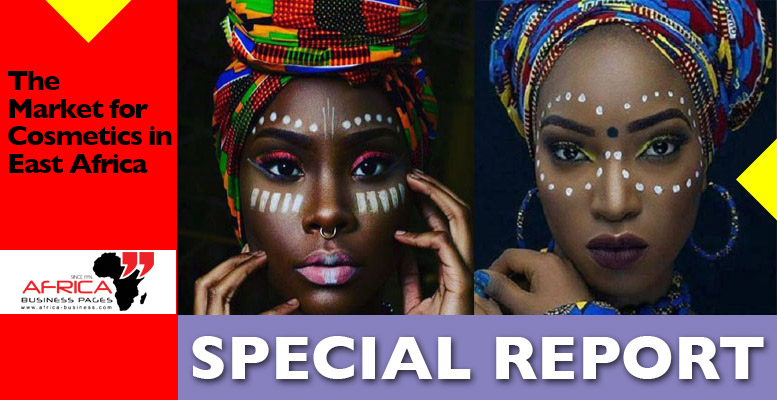
Africa presents one of the fastest developing and most dynamic beauty markets in the world, with the demand for specialized haircare and skincare products growing at a frantic pace. There is a massive, pent-up demand not only for premium dermocosmetics from Europe and North America but also for clinically backed personal care formulations engineered globally. When it comes to personal grooming and skin health, African consumers are highly invested. As such, there is surging retail demand for targeted treatments—such as hyperpigmentation serums, barrier-repair moisturizers, sulfate-free shampoos, edge control gels, and botanical hair oils. Enterprising traders are eager to source these goods from international manufacturers, but are often hamstrung by massive volume requirements that do not make logistical sense for independent importers. Latest Industry Developments The African haircare and skincare sector is experiencing a profound shift toward ingredient literacy and dermocosmetics. Consumers are moving away from traditional mass-market products, actively seeking scientifically validated formulations containing active ingredients like niacinamide, retinol, and salicylic acid. Simultaneously, multinational companies have launched targeted R&D initiatives—such as localized evaluation centers in South Africa and Kenya—to specifically study black skin pigmentation and the distinct biological requirements of textured hair, resulting in highly effective, customized product lines. Digital commerce and social media have also entirely rewired the market. With smartphone penetration booming, platforms like TikTok and Instagram have become the primary education and discovery vehicles for beauty consumers. A new generation of tech-savvy, younger buyers is purchasing products directly through social channels, demanding absolute transparency regarding formulations and rejecting historically controversial skin-lightening chemicals in favor of natural, nourishing, and protective ingredients. Africa Haircare & Skincare Market - Overview Data Source: Mordor Intelligence & Technavio | © Africa Business Pages The Sourcing Advantage: Bypassing Supply Bottlenecks A major obstacle for African importers remains the difficulty of sourcing diverse products—facial treatments from Europe, organic haircare from the USA, and salon equipment from the Far East—without facing insurmountable logistical constraints and multiple banking letters of credit. In such a scenario, international wholesale hubs like Dubai offer African importers the ideal marketplace. "African buyers can source all their requirements from just one location," notes a leading supplier of salon equipment. "Buyers can select from a vast range of merchandise, buy strictly the consolidated quantities they require, and transport the goods back to their home countries at highly competitive freight costs." This streamlined sourcing is crucial in combatting the grey market. It is estimated that a significant portion of cosmeceuticals entering East Africa through informal channels can be counterfeit or contain substandard ingredients. Consumers are highly aware of the perils of using fake products and are willing to pay a premium for guaranteed authenticity from verified pharmacies and established retailers. How to Promote Your Beauty Brand in Africa For traders and manufacturers dealing in haircare and skincare products, capturing market share requires targeted, concise strategies rather than broad campaigns. To successfully enter these markets: 1. Digital Trade Directories: Download the Africa Importers Directory to immediately begin direct email and WhatsApp marketing. Securing a reliable distributor in key logistical hubs like Kenya or South Africa provides instant, scalable access to neighboring markets. 2. B2B Portals: Harness the power of localized commerce by posting your bulk offers on the African Classified Advertisements network. Using dedicated platforms ensures your products are visible specifically to active B2B buyers searching for new supply chains. 3. Establish a Digital Profile: Add your brand to the Featured Suppliers Section of the Africa Business Pages. This creates a dedicated editorial space, highlights product images, and provides instant credibility and direct links to capture inbound African inquiries. Did You Know? Skincare Dominance: Skincare currently commands the largest share of the African cosmeceutical market at 39.02%, heavily driven by clinical demand for formulations specifically tailored to melanin-rich skin. Black Hair Care Demographics: Globally, the Black Hair Care market is projected to reach $13.37 billion by 2034. Industry data reveals that over 62% of adults within African and Asian demographic groups use specialized black hair colorants at least once every 18 months. The Gen Z Influence: South Africa's beauty sector generated $3.9 billion in 2024. A recent survey indicated that an overwhelming 94% of South African Gen Z consumers regularly purchase targeted skincare products. A Youthful Consumer Base: Sub-Saharan Africa accounts for 81% of the continent's population, with over 60% of consumers under the age of 25—making it the most critical youth-driven beauty market in the world. Demand for Naturals: In the Middle East and Africa haircare sector, natural and organic formulations are rapidly advancing at a 5.84% compound annual growth rate, fueled by the demand for sulfate-free and botanical oil alternatives.
Africa presents one of the fastest developing markets in the world, and the demand for cosmetics and personal care products is growing at a frantic pace. Not only is there a huge pent-up demand for upmarket products from Europe and North America, but there is also a booming appetite for the entire range of beauty and personal care products from major manufacturers around the world. When it comes to looking their best at all times, Africans are second to none. As such, there is a huge demand for products such as beauty soaps, face washes, shampoos, conditioners, body and skin lotions, toners, astringents, cold creams, perfumes, hair colors, dyes, powders, and eye and face packs, to mention just a few. While there is now a considerable level of manufacturing activity taking place within Africa itself, there is an assertive and rapidly growing segment of consumers demanding the best products available globally. Enterprising traders are keen to source such goods from reputed manufacturers but are often hamstrung by the purchasing volumes required. Most large manufacturers are not interested in supplying quantities that do not run into several container loads. Often, it is not financially viable for regional buyers to go in for such massive volumes. Secondly, there is also the logistical challenge of sourcing products from different countries and even continents. For instance, an African importer may be interested in facial products from Europe, toiletries from the Far East, and herbal cosmetics from the USA. This places immense logistics constraints and would involve traveling around the world and opening Letters of Credit with a host of banks. Often, all these obstacles prove insurmountable, putting off many exporters. Top Cosmetics Markets in Africa Estimated Market Value (USD) | © Africa Business Pages The Rise of A-Beauty & Digital Commerce The Rise of A-Beauty and Local Ingredients: The African cosmetics market is undergoing a structural transformation with the global rise of "A-Beauty" (African Beauty). Consumers and international brands alike are shifting their focus toward organic, indigenous ingredients like Shea butter, Marula oil, and Baobab extract, which are clinically proven to excel in dermatology. Furthermore, global multinational cosmetic brands have recognized the vast potential of melanin-rich skin and textured hair care, aggressively reformulating their product lines to cater specifically to the Afrocentric demographic rather than treating the continent as an afterthought. E-Commerce and AfCFTA Integration: The implementation of the African Continental Free Trade Area (AfCFTA) is poised to radically reduce the cost of moving raw materials and finished cosmetic goods across African borders. Coupled with a massive boom in digital commerce—which is projected to top $72 billion by 2026—cosmetic brands are leveraging social media influencers, beauty bloggers, and online retail platforms to bypass traditional, fragmented supply chains. This direct-to-consumer digital model has opened up the market exponentially, specifically in major hubs like Nigeria, South Africa, and Kenya. The global market for fragrances and perfumes is forecast to surpass US$50 billion by the year 2030, driven by a growing trend towards consumer urbanization, expanding middle-class spending power, and a heightened focus on personal grooming in emerging markets like Africa. International suppliers of cosmetics are eager to find buyers in Africa to increase their exports. However, finding the right business partners, agents, and distributors is not as easy as it seems. Lack of proper information and business facilitation services means that most international suppliers do not understand the nuances of African markets as well as they should. As a result, most prefer to export directly to existing, verified importers of cosmetics and beauty products. In order to facilitate direct B2B contact between African buyers and international suppliers, the Africa Business Pages has compiled a special Africa Cosmetics Directory. The directory lists major importers of cosmetics and beauty products in over 22 African countries. By providing a useful database of importers, retailers, wholesalers, and distributors, it helps international suppliers find business partners in key markets like Kenya, Uganda, Tanzania, Ethiopia, Mozambique, Rwanda, Ghana, Nigeria, Cote d'Ivoire, Cameroon, Zambia, Angola, Namibia, South Africa, and Zimbabwe. The Africa Cosmetics Directory is now available in Excel format and can be downloaded instantly. document.write(new Date().getFullYear()); Edition Africa Cosmetics Directory Skip the middlemen and connect directly with verified buyers! This comprehensive database lists major importers, retailers, wholesalers, and distributors of cosmetics and beauty products across 22 African countries. Over 12,500+ Listings Available instantly in Excel format Verified B2B contacts and email addresses Covers Kenya, Nigeria, South Africa, Ghana & more Download Now Did You Know? Market Leaders: South Africa currently holds the largest market share for cosmetics in Africa, but Nigeria is projected to record the fastest growth rate between 2026 and 2031. Shifting Standards: There is a major cultural shift away from controversial skin-lightening products, replaced by a massive surge in demand for products that brighten, protect, and embrace natural skin tones. Male Grooming Boom: The men's grooming segment is the fastest-growing niche within the African hair care market, accounting for over 22% of incremental cosmetic sales globally. Global Supply Chain: African-grown ingredients like Shea Butter, Moringa, and Rooibos are now foundational elements in some of the most expensive luxury skincare brands in Paris, London, and New York.

The rapid industrialisation, urbanization, and modernization sweeping through the African continent has resulted in an unprecedented demand for automotive capital goods, including machinery, lubricants, and replacement parts. The market for automobile spare parts, in particular, has evolved into a highly lucrative sector for UAE-based enterprises, who utilize Dubai's world-class logistics infrastructure to maintain their position as the leading suppliers to East, Central, and West Africa. The UAE has long been recognized as the premier global supply hub for the African aftermarket. While the industry occasionally navigates global supply chain shifts, the volume of exports has consistently recovered and expanded. However, the staggering demand for quality replacement parts has encouraged parallel imports, forcing authorized distributors and global OEMs to aggressively secure their supply chains against sub-standard counterfeiters operating across borders. Latest Trade Developments in the Aftermarket In 2025 and moving into 2026, the African automotive aftermarket has experienced a profound structural shift toward digitalization and e-commerce. As internet penetration and smartphone usage explode across the continent, major UAE-based distributors and African wholesalers are increasingly relying on B2B digital platforms to execute cross-border transactions. This digital transformation has dramatically improved supply chain transparency, allowing independent mechanics and fleet operators in cities like Lagos, Nairobi, and Johannesburg to directly source authenticated components, bypassing traditional and inefficient brick-and-mortar bottlenecks. Simultaneously, the rising average age of the African vehicle fleet—driven by the continent’s heavy reliance on imported used cars—continues to propel the demand for routine replacement parts like brake pads, batteries, gaskets, and filters. Furthermore, with the implementation of the African Continental Free Trade Area (AfCFTA) and the gradual introduction of hybrid and electric vehicles (EVs) into commercial ride-hailing fleets, the market is rapidly diversifying. Progressive traders are now stocking advanced electronic diagnostics tools alongside traditional mechanical parts to service this new generation of African mobility. Middle East & Africa Automotive Aftermarket (2023 - 2030) Data Source: Virtue Market Research | © Africa Business Pages Africa's Top 10 Selling Automotive Spare Parts Data Source: Africa Automotive Aftermarket Insights | © Africa Business Pages The Second-Hand Parts Ecosystem The rise of a sizable second-hand spare parts market has also transformed the landscape. This lucrative sub-sector has registered substantial growth over the last decade, heavily driven by price-sensitive buyers. Sourced primarily from salvaged or auction vehicles in Japan, South Korea, and the UAE, these genuine used parts—especially fully intact engine blocks and body panels—are re-exported in massive volumes to supply Africa's expansive re-conditioned vehicle ecosystem. Though not all second-hand spare parts sellers can provide the full range of components for every single car model, collectively, these outlets are capable of supplying nearly 90 per cent of market needs. In fact, some of the specialized outlets in the Sharjah industrial zones are reportedly selling parts for late-model vehicles at a fraction of the cost of brand-new genuine parts. As a result, the business of second-hand spare parts has developed into a fully-fledged, multi-million dollar industry. Dubai-Africa Trade Synergy The decisive factor is that, over the decades, Dubai has developed a highly sophisticated import system and massive warehousing capacity. The sheer volume of goods moving through the UAE ensures that wholesale prices in Dubai remain highly competitive—often 10 to 15 per cent lower than in neighboring markets. It is, therefore, little wonder that an increasing number of African businessmen are seen purchasing their wholesale requirements from the UAE. "I come here to purchase spare parts because the prices in Dubai are some of the best in the world. As a result, I am able to make a neat profit when I sell these goods back home," notes an automotive dealer from Nairobi. "In addition to mechanical parts, I also purchase high volumes of low-priced car and truck tyres for the local market." With an estimated 200,000 commercial visitors from Africa traveling to the UAE each year, the synergy between the two regions is undeniable. As the aftermarket trade to Africa continues to formalize and grow in stature, the UAE—with its strategic geographic location and globally unmatched distribution network—is perfectly positioned to reap the dividends of this booming sector. Did You Know? Market Value: The Middle East & Africa Automotive Aftermarket is projected to approach the $70 billion mark by 2030, growing at a robust compound annual growth rate (CAGR) of over 8%. Used Car Dominance: It is estimated that imported used cars outnumber brand-new cars by an incredible 131 to 1 on West African roads, fueling a massive and perpetual demand for aftermarket replacement parts. Top Replacements: Due to the region's harsh environmental conditions and aging vehicle fleet, replacement parts (specifically batteries, brake pads, and gaskets) account for approximately 60% of the entire aftermarket sector's revenue. The Nigerian Giant: Nigeria is the undisputed heavyweight of the West African automotive market, accounting for roughly 75% of all vehicles on the road in the sub-region (approximately 12 million active vehicles). Digital Disruption: E-commerce and digital B2B sourcing platforms for automotive aftermarket parts are growing at a staggering rate of 15% annually in the MEA region.
Fast-growing economies such as Uganda, major markets such as Kenya and Ethiopia, a rising middle-income class, population growth – mostly in Uganda – and increased urbanisation, are all driving the markets for cosmetics and personal care products to new heights in the East Africa region.” says Erica Davies, area sales manager of Oriflame in Tanzania. Africa-focused products are also helping to give international brands a local touch – and East Africa’s female consumers are attracting particular focus. Two decades ago, there were very few high-quality products available that addressed the haircare needs of the East African women. Today, L’Oreal and Unilever have established product ranges suitable for African and African-American consumers, including Dark & Lovely by L’Oreal’s subsidiary SoftSheen-Carson, and Unilever’s Motions. Counterfeit Products Unwittingly, many East African consumers have for many years used products that were merely a copy and not the original ones. East African consumers have been through this cycle of fake products and are niow maore aware of the perils of using counterfeit cosmetic brands. It is estimated that almost 30% of cosmoceuticals in East Africa is counterfeit or has substandard active ingredients. Consumers, therefore, have no choice but to buy expensive products so as to get a higher quality product. However, this is the result of a few inefficient free-standing stores dominate the market. It is also known that in Kenya, only 2,800 pharmacists are working in the cosmetic industry which a number a far below of that which is required for the efficient production of quality products and that number happens to be around 8,000. On top of this, these 2,800 workers have little or no on-the-job training that is demanded for a smooth production process. More and more cosmetic companies are investing in R&D to learn more about skin pigmentation and hair biology of the African consumers. “African hair is completely different from Caucasian hair, or Asian hair.” says Unilever’s R&D category director for personal care in Africa, Jennifer Cromie. “The biggest challenge for African women is getting a comb through their hair in the morning and getting into a style. That can be physically painful,” she says. If product development efforts are stepping up a gear, routes to market remain critical. Supermarkets remain a major point of purchase according to surveys, and the expansion of East African mega-retailers like Nakumatt, Uchumi, Tuskys, Ukwala and Naivas are helping boost sales in formal markets. MARKET INTELLIGENCE Market Intelligence | © Africa Business Pages East Africa is home to over 375 million people, where consumer spending is expected to grow to $250 billion by 2035. Populations are set to increase by as much as 70% in Uganda and 65% in Tanzania. By 2035, Africa's population will be considerably larger than that of India (1.6 billion) or China (1.4 billion) – thereby making Africa a target for major international cosmetics companies and other FMCG multinationals. Perhaps an added advantage for sub-Saharan Africa is that 70 per cent of its population is under 30 which means that most of the people are young and provide a ready market for cosmetics, toiletries and perfumes. The westernisation of African consumer preferences, advances in aggregate economic conditions, and projected reduction in dependency ratios (the proportion of the total number of dependents in the country – i.e. those younger than 15 and those aged 65 and older – to the working-age population) all point towards a future growth engine of luxury goods demand – such as beauty products, cosmetics and perfumes in the overall East African market. With a fast growing economy of over $2.3 trillion and favourable dynamics at play: • an exploding population; • a fast growing middle-class; • an increasing urbanization and improved business regulation) • Sub-Saharan Africa and especially East Africa, draws attention. All major beauty players like L’Oreal; Procter & Gamble; Unilever have set up expansion strategies to capture the expected boom in the beauty and personal care market expected to grow to over $2.2 billion by 2025. Manufacturers accelerate their geographical presence by opening new branches and building new plants, to get closer to their newly targeted markets. However, they will need to carefully scan and tackle key challenges to win the East African market. Amongst these challenges, they will need to offer the relevant consumer value proposition by tailoring products to African specific needs. They will also need to implement best-in-class “go to market” strategy and capabilities to outperform competition. And all of this strategy should rely upon a sustainable organization that gathers the best talents on the long-term. These are critical factors to successfully realise the true potential of the booming East African markets.

While significant risks remain, we challenge those shying away from investing in Africa to consider the following arguments. First, many of the perceived risks are myths. Second, careful analysis will demonstrate that Africa is not a monolith, and an informed investor can find the right fit. Finally, this is not a journey that a mid-sized company has to take alone. Resources and expertise are increasingly available. We call it our African formula the 'PAL' Principles—Be Prepared, Be Adaptive, and Be Local— created from discussions with experts to assist midsized companies in developing and implementing a winning strategy for expanding to Africa. Mid-sized companies should not ignore Africa’s transformation into a highly attractive business destination. To capitalize on the burgeoning opportunities, the time to act is now. The African continent is an attractive region for investment. Massive population growth and a rising middle class have created millions of new consumers hungry for products and services. A variety of economic, political, and social transformations in Africa are creating investment opportunities for the next stage of the region’s growth. Many African countries have instituted meaningful reforms in their governance and investment frameworks. New technologies are being developed to solve unique challenges in health care, infrastructure, power, and agriculture. Incentives for investment are emerging every day. And as the gross domestic product of many nations continues to rise, these positive trends are expected to continue. Many African countries are experiencing high GDP growth. Of the top 10 fastest-growing economies in the world today, seven are in Africa, with projected growt rates of 7 per cent or more In the past decade, African economies have outperformed those in Latin Americ as well as many developed countries in GDP growth. Such expansion puts these nations on growth trajectories similar to India and China. While today Africa’s collective GDP of $2.5 trillion is quite modest compared with more developed nations, it is the world’s second-fastest growing region, with a projected growth rate of 5 per cent for 2020. Africa’s exports are growing exponentially, with broader industry diversification. Sales of goods and services to foreign buyers quadrupled between 2010 and 2020, from $165 billion toover $700 billion. Although many African countries continue to benefit from traditional exports of oil, gold, diamonds, rubber, and forest products, national governments are diversifying beyond these industries. For example, Côte d’Ivoire, the world’s largest exporter of cocoa beans, has entered the global confectionery market, now manufacturing chocolate instead of simply exporting cocoa. The move has compelled three multinational companies—Cargill, Archer Daniels Midland, and Olam—to pay more attention to the region. As African populations continue to grow, goods and services will be needed domestically to keep up with demand. Regional trade has also been growing and crossed $160 billion in 2019, including nearly 15 percent of African exports. An improving investment environment is increasing capital flow to the region. According to Ernst & Young’s recent survey of business attractiveness, over the last four years Africa has moved from eighth of 10 global regions to the second-most attractive investment destination in the world. Sixty percent of businesses surveyed reported Africa’s improved investment attractiveness over the past year, and nearly three-quarters believe it will improve further in the next three years. Since the end of the global recession, foreign direct investment (FDI) into Africa has increased every year, with more than $65 billion in inflows in 2019. The United States and theUnited Kingdom remain the top two sources of investment in Africa; however, the number of foreign direct investment projects from China, India, and from new players like Turkey and Brazil are growing at an increasing rate. Increased purchasing power is driving changein Africa In the past 30 years, the African population has grown nearly two-and-a-half times to 1.1 billion people, with 70 percent of the population now under 30 years old. This growth is due to a decline in overall poverty, better disease prevention, and increased life expectancy. A large portion of the population has also migrated to urban centers, seeking jobs and a better life. These shifts are creating megacities, a pan-African phenomenon, and driving a need for massive advances in technology and innovation. Of the 100 fastest-growing cities in the world, 25 are in Africa, including Lagos, Nigeria, Kinshasa, Democratic Republic of the Congo, and Johannesburg, South Africa. By 2030 more than half of Africa’s population will live in urban areas. Today, at least 370 million Africans, 34 percent of the total population, are part of the new middle class, strengthening the demand for more and better goods and services. Currently, middle class populations are concentrated in a few of the 54 countries, but continued economic growth and diversification will create wider distribution in the future.

Tyres...
Preliminary request for participation in the trade show
place
calendar_today
Preliminary request for visitor registration
Visitor Registration
place
calendar_today