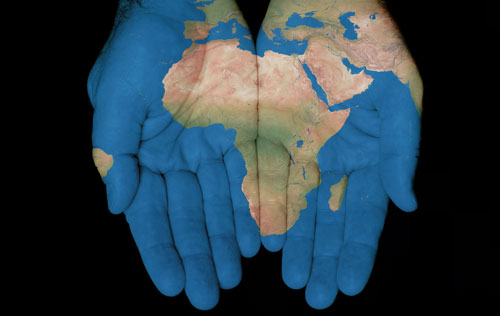

Africa is fast emerging as one of the most critical trading partners for the United Arab Emirates. As the global economy pivots toward emerging markets, Africa’s status as the most promising commercial frontier of the new millennium is undeniable. The UAE has been remarkably quick to recognize this immense potential, actively deploying sovereign capital and private sector expertise to deeply integrate its logistics and trade networks with the African continent.
Dubai’s leadership has consistently singled out Africa as a premier business partner for the coming decades. Trade between the UAE and Sub-Saharan Africa has registered explosive growth. The UAE has successfully transformed itself from a regional Middle Eastern hub into the indispensable global gateway connecting Africa to Asia, Europe, and the Americas.
Latest Economic Developments: The CEPA Era
In 2025 and 2026, the UAE dramatically accelerated its African integration through the aggressive rollout of Comprehensive Economic Partnership Agreements (CEPAs). By signing landmark free-trade pacts with key economies like Kenya, Mauritius, and the Republic of Congo, the UAE is systematically eliminating non-tariff barriers, reducing customs duties, and securing preferred access to African markets. This diplomatic and economic offensive has catapulted the UAE's total non-oil trade with Africa to well over $60 billion annually, creating unprecedented opportunities for Dubai-based re-exporters and logistics firms.
Simultaneously, the UAE is driving a massive wave of Foreign Direct Investment (FDI) into African infrastructure to support this trade boom. Dubai-based DP World has committed billions to expand deep-water ports and inland logistics parks in Senegal, Angola, and Somaliland, effectively hardwiring Africa's export corridors to the Jebel Ali Free Zone. Furthermore, state-backed green energy giant Masdar is currently funding gigawatts of solar and wind energy projects across the continent, addressing Africa's severe power deficits while cementing the UAE's position as the leading foreign investor in Africa's sustainable future.

UAE Non-Oil Trade with Africa - Overview
Evolving Trade Partners
Trade patterns between the Gulf and Africa have acquired dynamic new dimensions. While historically, South Africa was the primary destination for Emirati capital, nations like Kenya, Tanzania, and Nigeria have rapidly surged to the forefront. Nigeria, in particular, has become a vital destination for UAE exports and re-exports, fueled by its massive consumer base.
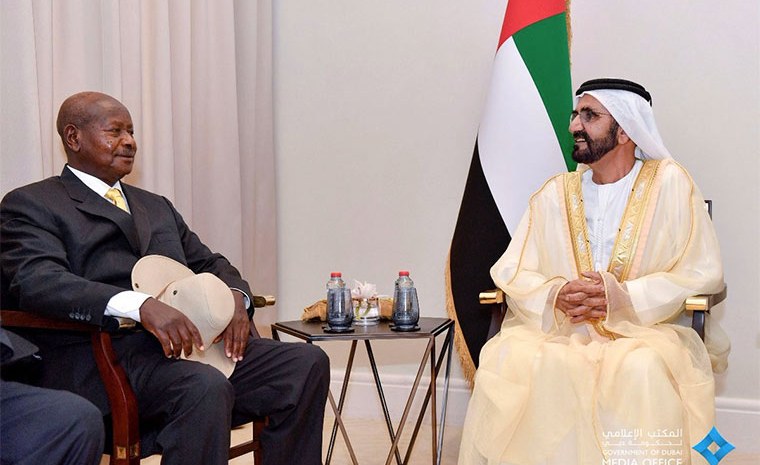
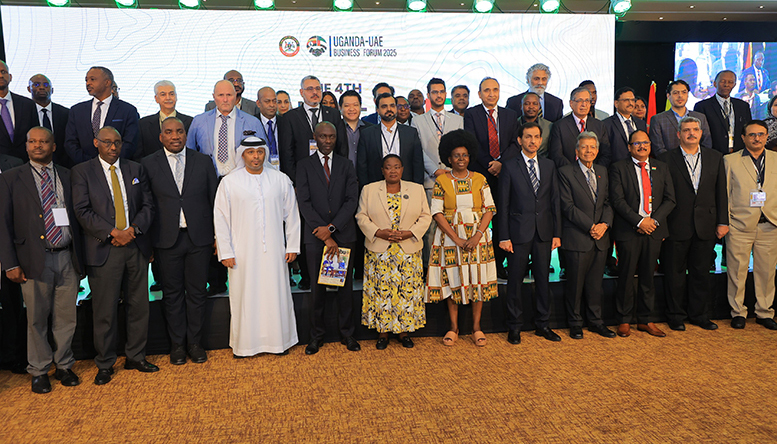
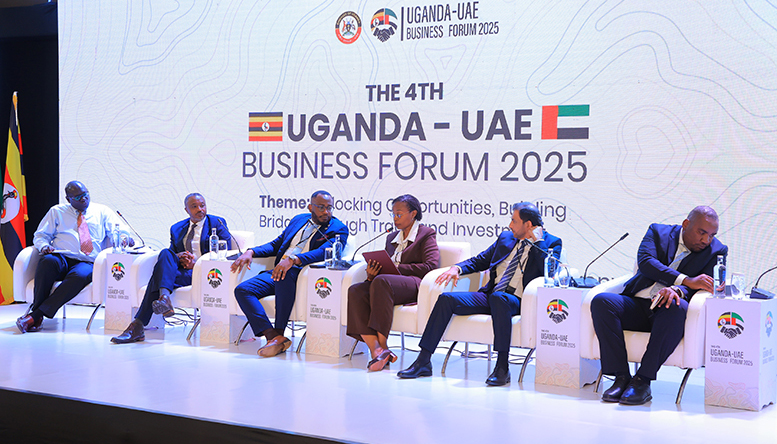
Tanzania and Kenya, often labeled as the primary gateways to East Africa, serve as crucial distribution hubs for UAE goods moving into the landlocked interiors of Uganda, Rwanda, and the DRC. Uganda, too, is making rapid strides to emerge as a leading commercial center. Recognizing the importance of these progressive economies, hundreds of Middle Eastern companies regularly participate in massive regional trade fairs in Kampala and Nairobi, eager to establish long-term distributorships.
The COMESA Connection
Trade between the UAE and the Common Market for Eastern and Southern Africa (COMESA) has witnessed exponential growth. COMESA is the largest economic bloc on the continent, boasting 21 member states and a combined population of over 600 million consumers. Dubai recognizes COMESA as a unique, highly unified market and has positioned itself as the fundamental hub for trade flowing into and out of the region.
The Dubai Chamber of Commerce actively champions this relationship, opening multiple international representative offices across East and West Africa to facilitate bilateral trade, assist Emirati companies in navigating local regulations, and provide African importers with direct access to vetted Dubai suppliers.
Top 7 Non-Oil Exports from UAE to Africa
Farmlands, Food Security, and Telecommunications
Beyond traditional consumer goods, GCC nations have increasingly invested in African agriculture to ensure domestic food security. The UAE, reliant on food imports, has deployed sovereign entities like ADQ to acquire strategic stakes in major agricultural supply chains and secure vast tracts of arable land in countries like Sudan and Tanzania. These multimillion-dollar deals provide critical capital to overhaul poverty-stricken rural areas while building modern farming infrastructure.
The telecommunications sector remains another crown jewel of UAE-Africa relations. UAE telecom giant "e&" (formerly Etisalat) has been at the forefront of digitizing the continent. Operating heavily under the "Moov Africa" brand, the company controls vast network infrastructures across West and Central Africa—including Benin, Ivory Coast, Gabon, and Togo. By pumping billions into mobile broadband expansion, e& is ensuring that Africa’s tech-savvy youth remain connected to the global digital economy.
With Africa predicted to solidify its status as the engine of global growth in the coming decades, the UAE has perfectly positioned itself. Truly, Africa is the market of tomorrow, and Dubai is its global gateway.
Did You Know?