
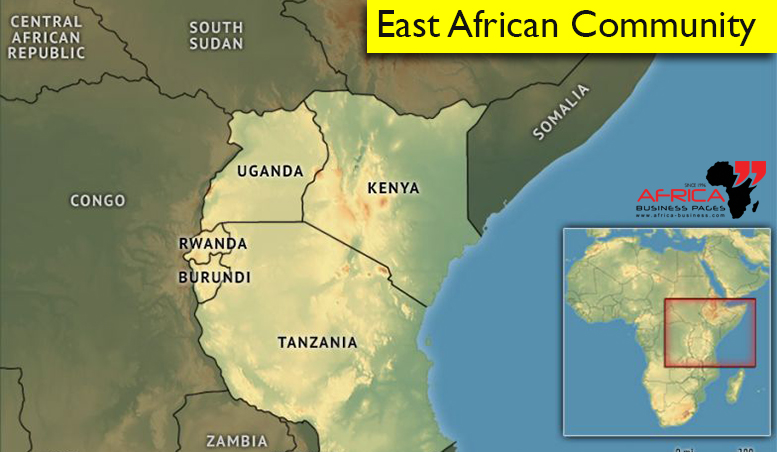
The East African Community (EAC) has evolved into one of the fastest-growing and most integrated regional economic blocs in the world. Originally revived in 2000 by the three founding states of Kenya, Uganda, and Tanzania, the trade bloc works towards economic policies that are fiercely pro-market, pro-private sector, and pro-liberalisation. By pooling resources and promoting seamless free trade within the region, the EAC aims to emerge as the undisputed economic powerhouse of the continent.
In a historic ceremony held in Arusha, Tanzania, Kenya's former President Daniel arap Moi, Uganda's Yoweri Museveni, and Tanzania's Benjamin Mkapa formalized the original EAC treaty, paving the way for an economic and, ultimately, political union. Since that foundational moment, the bloc has experienced historic expansion, successfully admitting Rwanda and Burundi in 2007, South Sudan in 2016, the Democratic Republic of the Congo (DRC) in 2022, and the Federal Republic of Somalia in 2023.
The primary goals of the EAC are to improve regional economies, elevate the quality of life, and foster unbreakable diplomatic relations among member states. Technocrats guiding the cooperation have termed it a "new chapter" in which the ideological mistakes that led to the collapse of the original 1977 EAC will never be repeated.
Latest Economic Developments
The recent admissions of the Democratic Republic of the Congo (DRC) and Somalia have fundamentally transformed the EAC’s economic landscape. The bloc now represents a colossal consumer market of over 300 million people with a combined GDP of more than $300 billion. By extending the EAC's reach from the Indian Ocean across to the Atlantic Ocean via the DRC, the region has unlocked unprecedented logistical corridors for cross-border trade, critical mineral exports, and robust agricultural exchange, making it a highly attractive destination for foreign direct investment.
Furthermore, the ongoing implementation of the EAC Single Customs Territory has revolutionized regional logistics, drastically reducing cargo transit times and slashing non-tariff barriers along the critical Northern and Central transport corridors. Mega-infrastructure developments, such as the synchronized expansion of the Standard Gauge Railway (SGR) network and the harmonization of cross-border digital payment systems, are currently accelerating regional trade. These critical economic milestones are steadily paving the way for the bloc's next major pillar of integration: the East African Monetary Union.
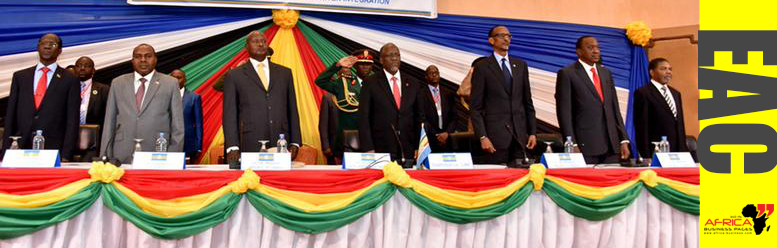
Today, the East African region covers a staggering landmass of over 5.4 million square kilometers. It possesses vast, untapped potential in mineral, water, energy, forestry, and wildlife resources, alongside booming agricultural, industrial, and eco-tourism sectors. Its people are bound together by a shared history, infrastructure, and the unifying regional language of Kiswahili.
Global institutions have highly praised this integration. The United Nations has repeatedly lauded the creation and expansion of the regional body, calling it a vital "building block" for the broader African Economic Community. The UN firmly supports the commitment of East African nations to multilateralism and initiatives that strengthen the continent's capacity to navigate the complexities of globalization.
While the region has historically had its fair share of trade disputes—often stemming from perceptions regarding Kenya's competitive manufacturing dominance—the implementation of the EAC Common Market Protocol has largely leveled the playing field. The elimination of international tariffs and the adoption of common external tariffs have created a highly equitable investment platform. Today, member states reap immense mutual benefits from economies of scale, regional food security networks, and seamless labor mobility.