


African countries are in the spotlight once gain as demand in Africa for IT related products like computer hardware, peripherals and accessories continues to grow with the passing of each year. A large portion of this demand is being serviced by Dubai-based computer companies – both traders and manufacturers.
The African continent is home to six of the top 10 fastest-growing economies in the world, and foreign direct investment is rapidly increasing. European and Chinese companies of all sizes recognised the African opportunity early on and have a head start.
As a result, many computer vendors in Dubai have been keen to set up distribution channels in African countries to capture the growing market in countries like Kenya, Tanzania, Uganda, Nigeria, Ethiopia and Ghana.
Yes, Africa is a tricky market and getting a foothold in African markets is not as easy as it sounds. Problems exist – low purchasing power of the average consumer, trade barriers, high import duties and the challenge of making your mark in African countries have made many suppliers rethink their plans of entering the African markets. But many see an opportunity where others see a challenge.
Dubai-based computer vendors have been doing business with African countries for a long time now – having recognised the long-term potential of the African markets. These companies have established themselves as leading suppliers of computer hardware, peripherals and accessories to many African countries.
There is a twist in the tale though. Many big multinational computer companies feel unsure about the prospect of developing direct distribution channels in Africa. As it is, their products are being sold in substantially large quantities to African customers through their authorised agents in Dubai. Re-exports of IT products to Africa from Dubai is a lucrative business for the authorised agents for large multinational brands. Bypassing their authorised agents and selling directly into the African markets might have an adverse impact on their overall sales in the Middle East as Dubai has served as a distribution centre and a business hub serving the Middle East and Africa (MEA) region.
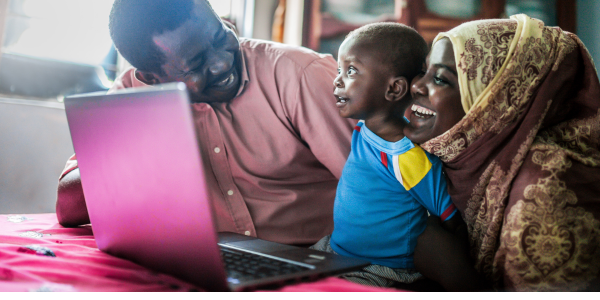
Will these IT giants opt to stay within their re-export and sub-distribution routes or will they prefer to sell directly into African markets remains to be seen.
The fact remains that Africa is experiencing robust 11.8% growth in total imports, with significant investments in computing and telecoms hardware to support AI and connectivity, according to the WTO 2025 Outlook. Increased demand for computers, servers, and AI-related equipment is a critical part of the trade growth, with East Asia (Japan, Korea, Taiwan) and emerging economies (Vietnam) strengthening their roles as suppliers of advanced equipment. However, China remains the dominant supplier of computer hardware (HS 8471) and telecom equipment to Africa.
The African laptop and tablet market is growing at a steady rate too and is expected to reach an estimated 4.9 million units by 2035. The growing demand for AI digital skills and infrastructure is expected to create 230 million digital jobs across Africa by 2030, further driving the need for computer hardware.